S04.22: Sarah J. Maas on Sailor Moon, Writing Sex and Second Books
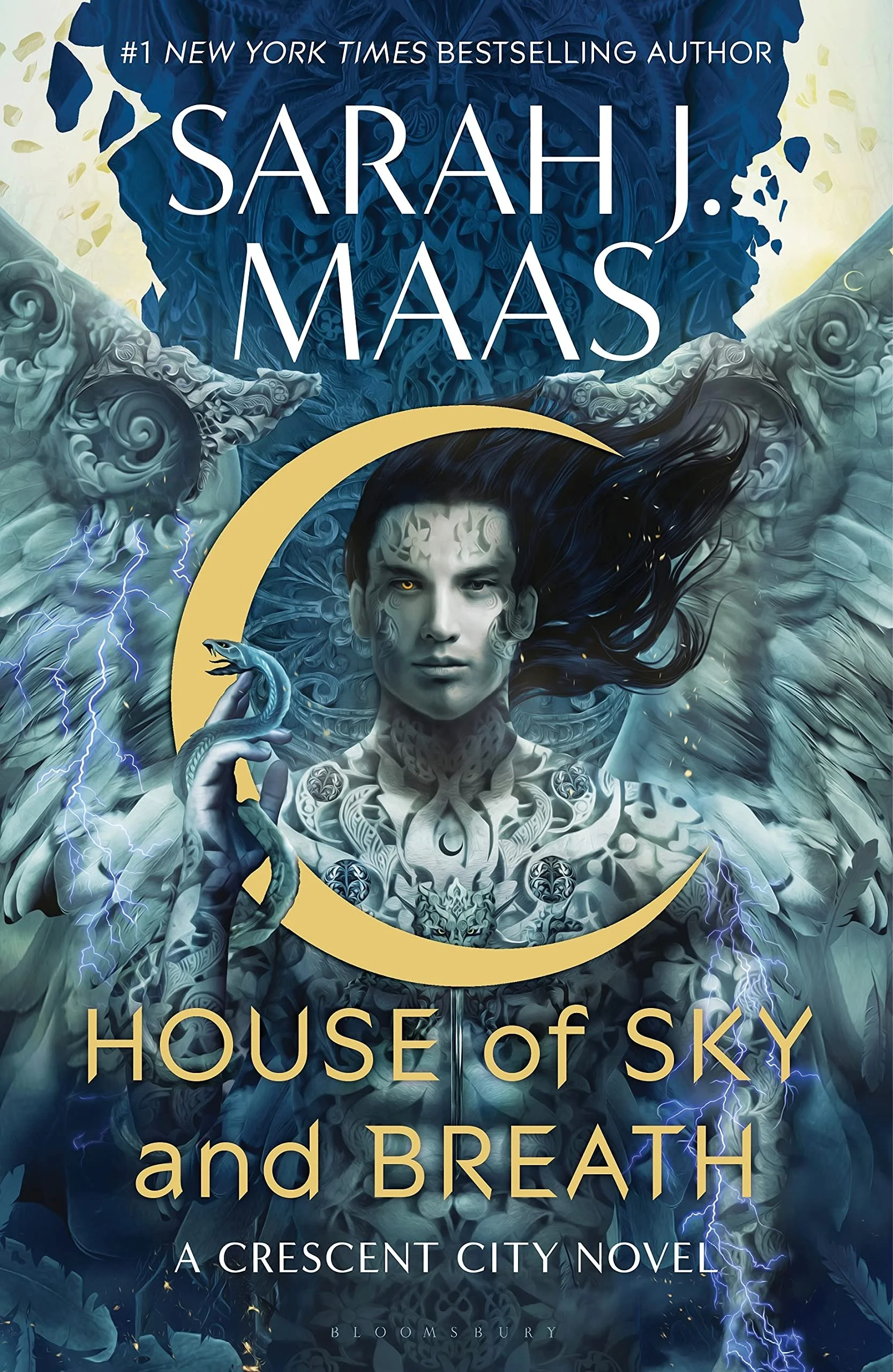
Oh boy have we got an episode for you! We’re thrilled to have Sarah J. Maas with us to celebrate the release of the second in her Crescent City series, House of Sky and Breath — in this episode, we talk about second books in series, why second books are often so unique and different from the other books in the series, and about how fandom informs Sarah’s work. And of course, because it’s Sarah, we talk about fantasy, about worldbuilding, about moving between YA and adult fantasy, and about writing romance (and sex) on the page. All this, and we talk about some favorite second books, too!
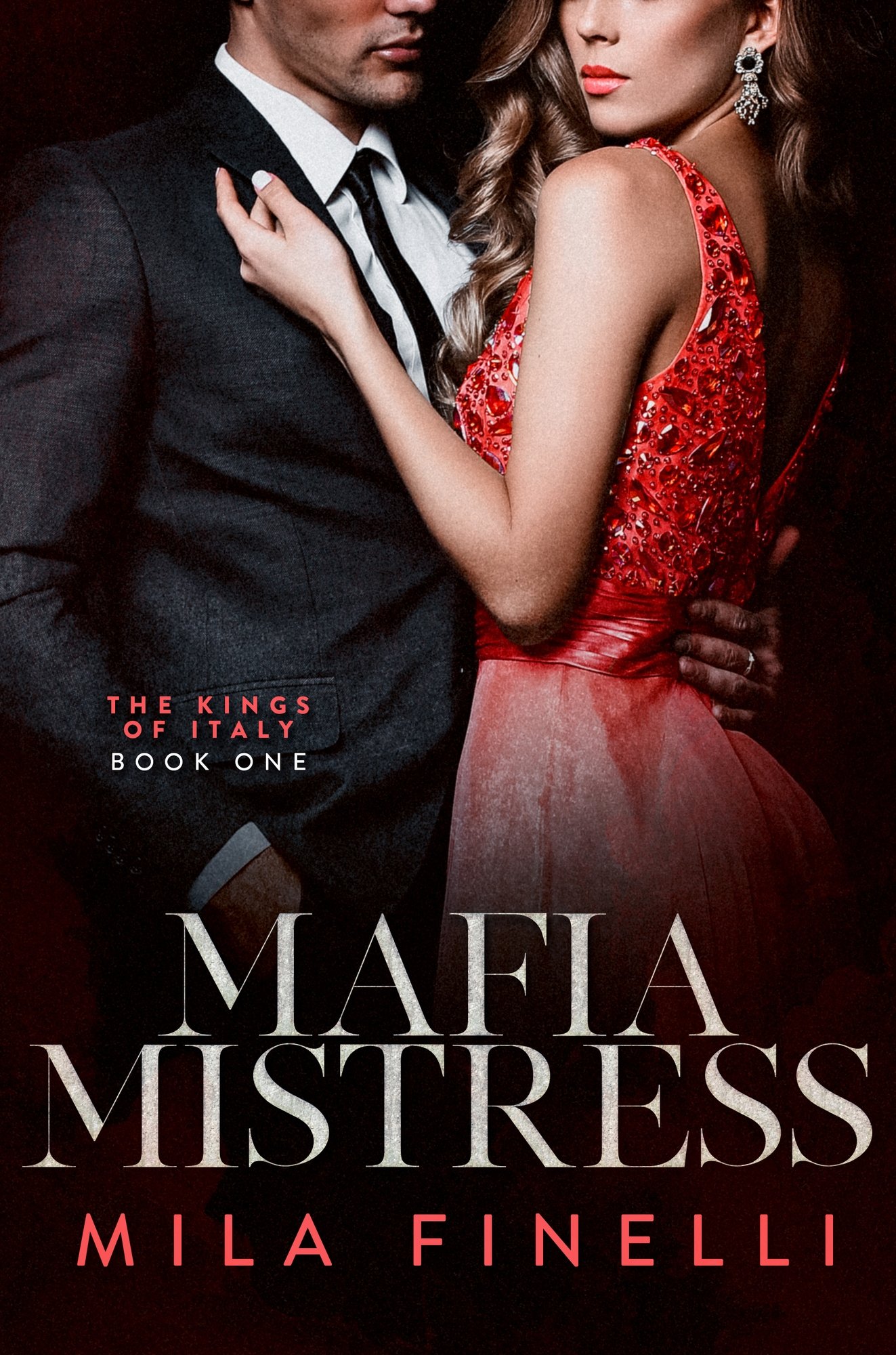
This episode is sponsored by Sara Wetmore, author of Brush Strokes, and Mila Fanelli, author of Mafia Mistress.
Next week, we’ve got an interstitial coming your way, but our next read along will feature some of Sarah (MacLean)’s favorite quick & dirty books by London Hale, the pen name of authors Ellis Leigh and Brighton Walsh. Their Temperance Falls series is full of kinks and tropes and HEAs and while we won’t be talking about all ten books, we’ll definitely be talking about a few of them. Specific titles to follow, but Sarah is for sure going to want you to read Talk Dirty to Me, which is older mayor of the town heroine, younger firefighter and also phone sex operator hero because…obviously. The whole series is free in KU.

Show Notes
Sarah’s new book, House of Sky and Breath, was released yesterday on February 15, 2022.
In case you don’t know who MacGyver is, ope.
The Empire Strikes Back is the second in the original Star Wars trilogy, and a perfect example of how the second installment can be influential.
In Arrested Development, it was George Michael with the light saber in the garage.
Some of Sarah’s original fandoms: My Little Pony, Sailor Moon, Buffy the Vampire Slayer, Star Wars, The Lord of the Rings, and Goonies.
These kids acted like real jerks on an airplane, and Please don’t do that.
Jen is writing Tommy and Imogen fanfic on twitter with the hashtag #TommyGoBoom.
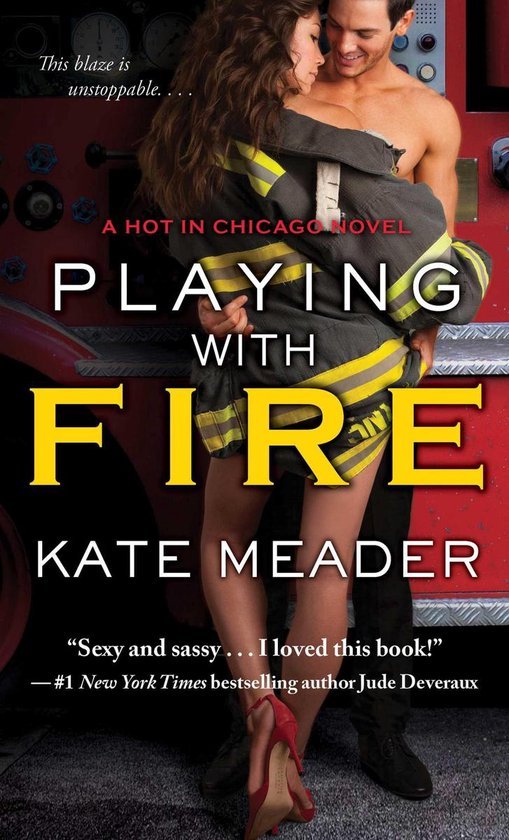
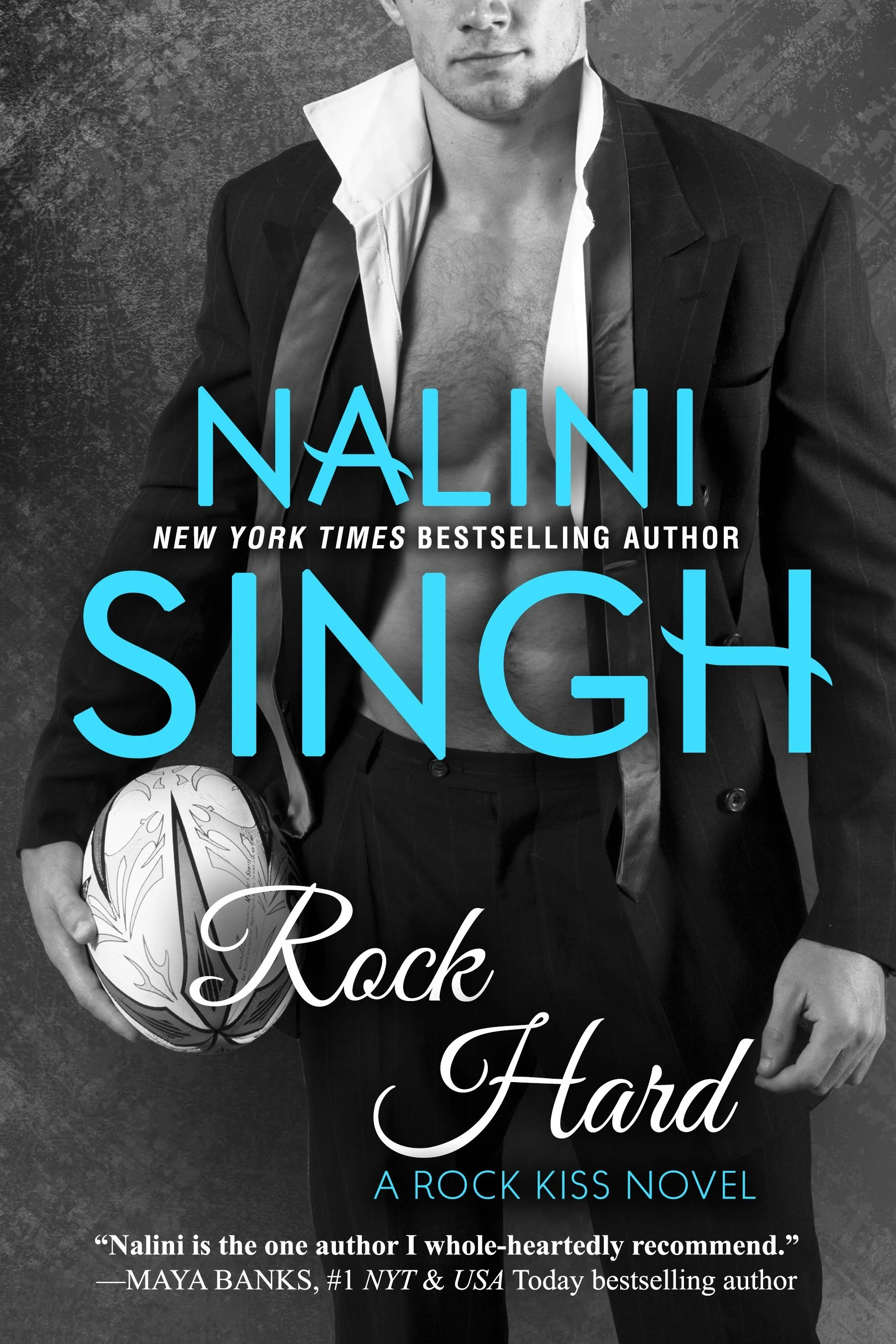
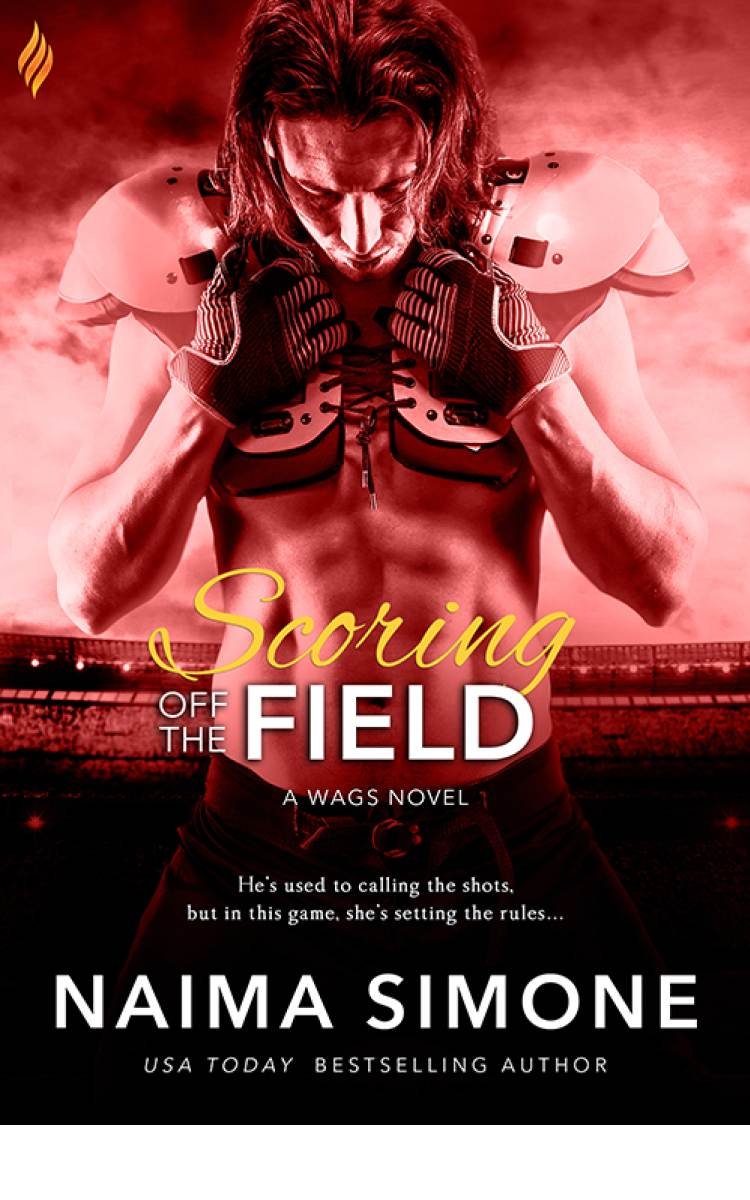
Some of Sarah and Jen’s favorite Second Books








Sponsors
This week’s episode of Fated Mates is sponsored by:
Sara Wetmore, author of Brush Strokes, available free in KU.
Visit Sara at sarawetmore.com, or follow her on Instagram at @writingsara.
and
Mila Finelli, author of Mafia Mistress, available free in KU.
Visit Mila at milafinelli.com, or follow her on Facebook or Instagram.

S04.21: Sandra Kitt: Trailblazer
Annnnd….we’re back! This week, we’ve got a new Trailblazer episode: Sandra Kitt—the first African American author at Harlequin (Rites of Spring, Harlequin American #43)—joins us to talk about the early days of writing category romance in the US, about writing for Vivian Stephens, about launching romance lines at Kensington and BET, and about her longstanding career. She also talks about writing the books that speak to you first and finding an audience for them later.
This conversation is far reaching and could have gone for hours longer — our hope is that it is not the last time Sandra will join us at Fated Mates. We are so grateful to her for making time for us.
Find the full list of trailblazer episodes here. For more conversations with Sandra Kitt, please listen to her episode of the Black Romance Podcast.
Join us LIVE tonight, Feburary 9th, for our special edition IAD celebration/Fated Mates funtime/Munro/Very likely Derek Craven too episode! Tickets are “pay what you wish” at live.fatedmates.net, you’re welcome to join us for free, or make a donation to help offset the costs of transcribing this season’s Trailblazer episodes.
Our next read along will feature some of Sarah’s favorite quick & dirty books by London Hale, the pen name of authors Ellis Leigh and Brighton Walsh. Their Temperance Falls series is full of kinks and tropes and HEAs and while we won’t be talking about all ten books, we’ll definitely be talking about a few of them. Specific titles to follow, but Sarah is for sure going to want you to read Talk Dirty to Me, which is older mayor of the town heroine, younger firefighter and also phone sex operator hero because…obviously. The whole series is free in KU.
Show Notes
People Sandra mentioned: Vivian Stephens, Elsie Washington/Rosalind Welles, Georgette Heyer, Walter Zacharias, Beverly Jenkins, Jennifer Enderlin, Julie Moody Freeman, Kathryn Falk, Kathleen Woodiwiss, Patricia Veryan, Janet Dailey, Jayne Ann Krentz, Anita Richmond Bunkley, Eboni Snoe, Donna Hill, Gwynne Foster, Marcia King-Gamble, Brenda Jackson.



Sandra Kitt 00:00:00 / #: I remember back in the late '80s when I was really just getting started and people were really beginning to know my name.
00:00:06 / #: I once had a teacher said to me that she used to think of romances as being just trashy novels. And then she started reading them and she said, "I realized that my girls in school, these are important books for them to read." Because the stories were always pretty much middle-class and higher, and because there was always a happy ending, she said, "This is their first introduction to what healthy man-woman relationships could be like."
00:00:43 / #: The stories could be perceived as being a little bit of a fantasy, but she said, "These are pretty much on target. This is what we want. This is what we want in a relationship, a guy who's going to respect you, a guy who's going to make you laugh, who's going to talk to you, who's not going to play you." And so if they're 14, 15, 16 years old and they're reading these books, this is a pretty good start on what relationships could be like.
Jennifer Prokop 00:01:09 / #: That was the voice of Sandra Kitt, one of the first authors for Harlequin American under the new line formed by Vivian Stephens. And the first African American author to write for Harlequin.
00:01:23 / #: We are pretty excited to share what comes from this conversation. We're going to talk a lot about category romance and its evolution and some amazing stories.
Sarah MacLean 00:01:35 / #: Yeah, some great stories.
Jennifer Prokop 00:01:37 / #: Welcome to Faded Mates everyone. I'm Jennifer Prokop, a romance reader and editor.
Sarah MacLean 00:01:43 / #: And I'm Sarah McLean. I read romance novels and I write them. And this is Sandra Kitt.
Jennifer Prokop 00:01:55 / #: All right, we're ready.
Sarah MacLean 00:01:57 / #: So thank you so much for joining us. We are really thrilled to have you.
Sandra Kitt 00:02:01 / #: Thank you.
Sarah MacLean 00:02:02 / #: I told Jen right before we started that I had a little taste of ... I know some of your stories because we've had lunch together.
Sandra Kitt 00:02:12 / #: Oh, yes. Great fun. Great fun.
Sarah MacLean 00:02:14 / #: And maybe now-
Jennifer Prokop 00:02:15 / #: All you New Yorkers making new jealous.
Sandra Kitt 00:02:16 / #: I know.
Sarah MacLean 00:02:18 / #: Now that we're all getting vaccinated, it might actually happen again.
Jennifer Prokop 00:02:22 / #: Yeah, I think so.
Sandra Kitt 00:02:22 / #: I hope so. I hope so.
Sarah MacLean 00:02:23 / #: Exactly.
Sandra Kitt 00:02:24 / #: I hope so.
Sarah MacLean 00:02:26 / #: Sandra, let's start at the beginning. How did you become a writer?
Sandra Kitt 00:02:33 / #: Well, I guess I first have to say that I was not looking to become a writer. When this all happened to me, I was very happy in a professional career as an astronomy librarian at the American Museum of Natural History in New York. And it was-
Jennifer Prokop 00:02:52 / #: I love astronomy and the moon. I'm so excited right now.
Sarah MacLean 00:02:55 / #: It's the coolest job.
Sandra Kitt 00:02:58 / #: ... It was a very, very cool job. And working at the museum was just great fun. I met the most amazing people there, beginning with Isaac Asimov, with whom I became very good friends with him and his wife. And illustrated two books for him.
00:03:15 / #: And following through the whole astronaut era of being able to meet them up until, and even now, Dr. Neil deGrasse Tyson, with whom I worked for almost 20 years before he went off to become a rock star. And I continued doing women's fiction and romances.
00:03:34 / #: So it was a wonderful` career. And actually what happened was it was very instantaneous and haphazard, really. I got an idea one day for a story. I had never written a story before, but going through school, I wrote a lot of poetry and little romantic scenes. I wouldn't call them stories. And I got this idea for a story, which came to me in my head, fully, fully developed in about five minutes.
00:04:04 / #: And I went home that evening after work and sat down and began writing. I had no idea what I was doing. I wasn't sure what the format of a book was supposed to be like. And I wrote this story in about six weeks, and it was over a 100,000 words. So that tells you how much it just absolutely flowed out of me.
Jennifer Prokop 00:04:23 / #: Amazing.
Sandra Kitt 00:04:24 / #: And this day, to this day, I've always, I still believe that was the book that I was meant to write. And ultimately, it was published as The Color of Love. So that was my seminal book. That's the one that I'm most known for. That's the one that continues to sell.
Sarah MacLean 00:04:44 / #: But that wasn't the first book that you published.
Sandra Kitt 00:04:47 / #: That wasn't the first book that I published.
Jennifer Prokop 00:04:50 / #: It's the first book you wrote.
Sandra Kitt 00:04:50 / #: The very first book I wrote.
Sarah MacLean 00:04:50 / #: Walk us through how that happens.
Sandra Kitt 00:04:55 / #: How it got from the first book to the first published book. Well, I had no expectations of getting published. I really wrote the book for myself. I'd never seen a story like The Color of Love. That was not the working title. It was something else at the time.
Sarah MacLean 00:05:10 / #: For everyone, The Color of Love is about a white police officer and a Black heroine.
Sandra Kitt 00:05:15 / #: Which remains so topical even today.
Jennifer Prokop 00:05:20 / #: Right.
Sarah MacLean 00:05:20 / #: Right.
Sandra Kitt 00:05:21 / #: Yeah. It did have a white police officer. The story took place in New York where I was born and raised. And the heroine was an African American book designer who worked in publishing. They met in a very strange, fortuitous way, purely happenstance, again. And because of the way they met, she came to his aid one morning when she found them outside of her house.
00:05:44 / #: He returned six weeks later to thank her. And he was both stunned that he had done that, and so was she. But it began a friendship. And of course, ultimately what happened with the friendship, once they got over their qualms about being interested in someone of another race, they began to fall in love.
00:06:02 / #: And it's a story about how they overcame all of the obstacles, of which there were many, in order for them to commit to their love and to show each other how much they really believed in each other and loved each other.
00:06:17 / #: I'm very proud of that book. I thought what I wanted to do, besides write an interracial story, because I was looking at the world I lived in, in New York, in the country. And we don't talk about it, but it's not as if interracial couples have never existed before. But I wanted to not only see if I could write a story that was credible about an interracial relationship, I decided to really throw in the kitchen sink by making the hero a cop. Because then, as now, the relationship between law enforcement and communities with people of color has always been tenuous, has always been very, very rocky. So I wanted to see if I could write a story that the readers would believe, that they would believe that this was even possible. And I think I succeeded just in the history of the story itself, and where it is even now, in the history of romances and women's fiction.
Sarah MacLean 00:07:17 / #: You came out of the gate swinging for the fences.
Sandra Kitt 00:07:19 / #: I did.
Sarah MacLean 00:07:20 / #: Ground us. What's the year that we're talking about at this point?
Sandra Kitt 00:07:23 / #: I began writing that story and finishing it in 1980. So I'm also giving my age.
Jennifer Prokop 00:07:30 / #: That's okay.
Sarah MacLean 00:07:31 / #: Barely even born, barely even born. That's fine.
Sandra Kitt 00:07:34 / #: Thank you. Thank you, Sarah. Love you. Love you.
Sarah MacLean 00:07:37 / #: But it wasn't published until-
Sandra Kitt 00:07:39 / #: It was 15 years.
Sarah MacLean 00:07:40 / #: ... 1995, right?
Sandra Kitt 00:07:42 / #: It was 15 years before I could get it published. And that's not to say I didn't circulate it among all of the publishing houses.
Sarah MacLean 00:07:48 / #: Sure.
Sandra Kitt 00:07:48 / #: And what I consistently got back as feedback from the editors is that, "This is a really well-written book. It's really, really interesting, and I don't think we can publish it." And they would say, "We just don't know what we would do with it, because it's such a taboo subject." And that was the word they used, taboo, because it was this whole interracial thing. We take it for granted now in the 21st century.
Sarah MacLean 00:08:14 / #: In 1995, yeah.
Sandra Kitt 00:08:14 / #: Yeah. But in 1980, it was not done. And you should see if there are any other interracial stories around that era, and there really aren't. I can only think of one, but it wasn't considered a romance. It was considered commercial fiction, and it had a different kind of theme.
Jennifer Prokop 00:08:31 / #: Right, yeah. Well, what they had in the '80s were those awful romances with Native American men and historicals.
Sandra Kitt 00:08:39 / #: My feeling about them publishing them with Native American heroes or using Arab sheiks and all that, it was just an excuse to write about someone who was of color. And so it became exotic. You write about Native American falling in love with a white woman. It was always a white woman.
00:09:04 / #: It's all kinds of things. It's exploring an issue that no one ever talked about. So if you write about it in terms of historic fiction, then it's a little bit more acceptable rather than placing it in the 20th or now, the 21st century. If you say this is a story that took place in the 1800s, it's acceptable because it was the past.
00:09:25 / #: So my feeling is that I don't think it was a deliberate intent. But the way I read it, is that this was a way of exploring the whole issue of interracial romances by setting the story, first of all, in a historical period. And then, using other races that were still exotic because we really didn't know a lot about them, including our own Native Americans or the Arab countries. Or people who are Spanish, or people who are South Asian, that kind of thing.
00:09:59 / #: But I just went for the jugular. I just said, "I'm going to set this in America and let's see where the chips fall."
Sarah MacLean 00:10:05 / #: Nice.
Sandra Kitt 00:10:05 / #: Let's see where the chips fall.
Sarah MacLean 00:10:07 / #: Okay, so you have The Color of Love, which is not titled that at the time, but whatever you have this.
Sandra Kitt 00:10:13 / #: No, I think the working title originally was Through the Eyes of Love.
Sarah MacLean 00:10:19 / #: That's also nice.
Sandra Kitt 00:10:19 / #: And then at a second revision, writing through it, I named it Barriers, then it segues, the final title was The Color of Love, and that was just the perfect title for it. It really spoke very specifically about what the book is about. But once I finished it, I put it aside because as I said, I was writing for myself.
00:10:41 / #: I was writing stories that I had not seen in the industry, in the marketplace, in the bookstores, and the story came to me. I said, "This is a great story, the people who would like to read this." So I wrote a second book and I finished it, and then I wrote a third book and I finished it. And it wasn't until I finished that third book that I realized, because I had so many ideas coming to me so fast, I said, "Maybe some of this is publishable."
00:11:11 / #: Now, at the time, 1981, Harlequin had decided to start a new romance line where the stories were set completely in America, because they were a Canadian company. And they then went on the look for American writers to write the American stories, because of course, we knew our own history.
00:11:32 / #: And so, I just happened to come across this article in the New York Times. And they talked about Vivian Stephens, who they had recently hired to head up the New York office for this Harlequin imprint.
Jennifer Prokop 00:11:49 / #: This was Harlequin American Romance for everybody.
Sandra Kitt 00:11:51 / #: That became the Harlequin American Romance. Exactly. So I, being a librarian. I dug up the number for the New York office, and when I called, I got Vivian on the phone. I was totally stunned.
Sarah MacLean 00:12:04 / #: Amazing.
Sandra Kitt 00:12:06 / #: But I didn't know any better. I was so innocent and naive about publishing and people and who they were and how this worked.
00:12:13 / #: She answered the phone. I introduced myself and said, "I just read about you in the New York Times, and I see you're looking for writers." I said, "I don't really know anything about publishing, but I have written three books, and I'm thinking perhaps one of them might interest you for your new line." And she said, "Well, why don't you come on in and meet with me. We'll sit down and have a talk."
Sarah MacLean 00:12:33 / #: Perfect.
Sandra Kitt 00:12:34 / #: And I'm thinking, "All right, this is already sounding good."
Sarah MacLean 00:12:38 / #: At the time you were writing romances, obviously, were you?
Sarah MacLean 00:12:43 / #: You were not?
Jennifer Prokop 00:12:43 / #: No, you weren't.
Sandra Kitt 00:12:44 / #: No, I was not writing romances. I was writing ... I always believed that my stories were a lot bigger in scope and complexity than the romances that I had been reading.
Sarah MacLean 00:12:55 / #: Were you reading them too?
Sandra Kitt 00:12:56 / #: Oh my goodness. I've been reading them since junior high school, but they weren't called romances in those days. They were called Gothic romances because they were all written about England. They were all historicals.
00:13:08 / #: Then you get to the Mills & Boon stories from Harlequin where the stories then began to become more contemporary. But they were still all white characters, all in Europe. There was nothing about America in them at all.
Sarah MacLean 00:13:22 / #: And you were writing something different.
Sandra Kitt 00:13:24 / #: And I was writing totally different. If you've read The Color of Love, how complex that story is. And it's two or three subplots in it, and there's also a second romance going on. So I knew that what I was writing was bigger, deeper, more complex, and longer in terms of the writing. Very, very complex, word count.
Sarah MacLean 00:13:47 / #: Which is a big piece of this at the time. These categories have a very specific word count or no [inaudible 00:13:54 / #].
Sandra Kitt 00:13:53 / #: Exactly. But I didn't know that.
Sarah MacLean 00:13:56 / #: Right, exactly.
Sandra Kitt 00:13:56 / #: I didn't know that. I simply wrote the book. And I figured that I knew that it was long, but I really hadn't paid much attention to the fact that my books were significantly, sometimes twice as long as the typical category or series romance. I just in one ear and out the other.
00:14:15 / #: So Vivian had me come into her office, and it was on Second Avenue. I remember, Second Avenue between 42nd and 41st Street. And her office was so new, she had no furniture. She didn't have a secretary. There was no receptionist. There was just Vivian. And so we went into her office and sat down, and it was an amazing conversation because I said, "This is what I'm doing. I've written these three books. I don't know anything about publishing."
00:14:45 / #: So in two hours, she met with me for two hours, and gave me a quick tutorial on what she looking for, what she wanted to see in romance, yada, yada, yada. At the end of the two hours, she said, "I understand you said that you've written three books." And I said, "Yeah." She said, "Why don't you send me two? Just pick the two of the three that you thought were really different or strong or whatever. Send them to me and let me take a look at them."
00:15:12 / #: So believe me, the next day-
Sarah MacLean 00:15:14 / #: I bet.
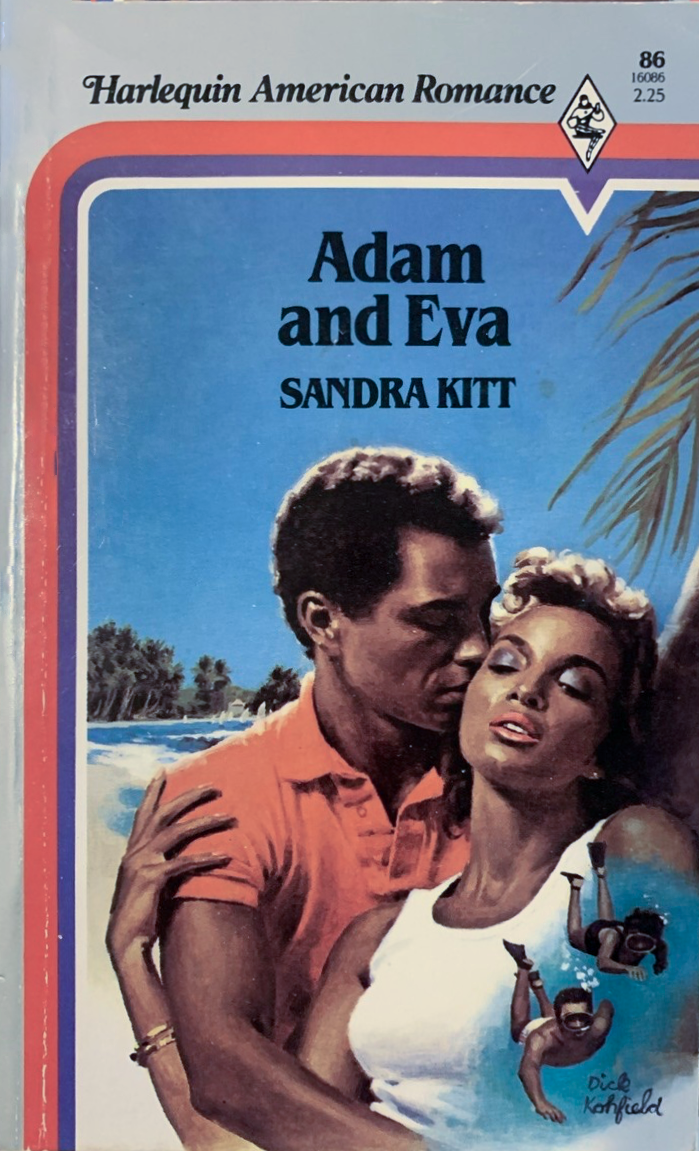
Sandra Kitt 00:15:16 / #: ... the manuscripts were in the mail. And she called me 10 days later to say, "I'm buying both books." And the two books that she bought was a Black romance, which was Adam and Eva. And I gave her a story where the main characters were white but had secondary Black characters. And that became the Rites of Spring. And that was the very, very first book that she published. But both books came out in 1984.
00:15:48 / #: So that's how I got started. And basically, once those two books came out, I was off to the races. I was off and running. Everything I wrote after that for many, many years always got published. But just to show you how much I didn't know about the industry, I didn't know that I could have written a proposal or done just three chapters, submit them to a publisher or an editor, and then they would decide that they want it and put me on the contract.
00:16:18 / #: I would write the whole book because I didn't know any better. I wrote the whole book. I was in those days, a pretty fast writer. I was doing them in about three months. And then, so I would show them to an editor at Harlequin and they'd say, "Oh, we want this." And they would buy it. And that would be that.
00:16:34 / #: I think I had written my 10th book before someone said to me, "You don't really have to write the whole book right away." And I'm going, "10, seriously? Were they keeping this a secret?"
00:16:48 / #: So anyway, I was off and running. I felt so fortunate. I felt that, "Wow, this is happening really, really quickly." But even as I began to work with Vivian, on Adam and Eva in particular, I began to get a sense of how certain people in the industry were looking at me as a writer, and looking at my stories.
00:17:13 / #: When she bought Adam and Eva, she told me that the guys, and they were all guys at the time up in Canada, didn't want her to buy the manuscript. And they wanted her to figure out how to reject it, turn it back to me, and get the advance back.
Sarah MacLean 00:17:31 / #: Because the characters were African Americans.
Sandra Kitt 00:17:33 / #: Because the characters were all Black. They were all African Americans, and they didn't want to deal with how their white readership, which was substantial, was going to respond. Because don't forget, at the time, Harlequin's book came out as a subscription series. You join the of subscription-
Jennifer Prokop 00:17:49 / #: You're going to get all of them.
Sandra Kitt 00:17:50 / #: ... Right. And you got four books every month, and you got whatever you got, that's what you got.
00:17:55 / #: So they were already anticipating that there'd be a lot of blow back if one month, one of the books had Black characters on the cover. And to Vivian's credit, and then I give her a lot of credit for this. She told them, "No, we're going to put this book through and we're going to see what happens."
00:18:11 / #: One of the things she said to me when I met with her was, "My goal is to change the way we perceive romances in this country." She said, "I can't do anything about the rest of the world, but I want the books to reflect the way America looks." And so she was actively looking for African American writers at the time, who would break that wall and begin to come in.
00:18:37 / #: And this is where Elsie Washington comes into the story. I did not know Elsie before meeting Vivian. Elsie and Vivian were actually very good friends. Let's face it, there weren't very many African Americans in the field at all. And they all knew each other. They all knew each other. They're very emotionally and psychologically supportive of what they had to go through in order to break into this career.
Sarah MacLean 00:19:02 / #: Maybe you could give listeners an overview of who Elsie is and why she's important.
Sandra Kitt 00:19:09 / #: So Elsie Washington at the time was a journalist. She was writing, working freelance, doing articles. She wrote quite a bit for Essence Magazine. I think that she was a regular columnist for a while. And so what Vivian did was to approach Elsie, because Elsie was a writer.
00:19:34 / #: And she said to her, "I want you to write a book because I'm looking to break in and open up this field to Black writers. We know that there are a lot of talented Black writers out there. We just have to find them." So she asked Elsie if she would write a book.
00:19:49 / #: And Vivian worked very, very closely with Elsie on the book, because as Elsie told me, maybe a year or two later after the book came out, which was called Entwined Destinies, and she wrote under the name of Rosalind Welles, that was her pseudonym. She said it was really, really, really difficult for her to write the book because she says, "I'm not a novelist." She says, "I write freelance. I write nonfiction. I write about beauty. I write about all kinds of things, but I don't write romances."
00:20:22 / #: So Vivian had to really hold her hand through the project. They talked about the story settings. Vivian explained what she wanted in a romance, what the romance should be about. Elsie came up with characters in a setting, and Vivian was like a guidance for her through the process until the book was done.
00:20:45 / #: And that book came out not as a Harlequin American Romance book. It came out under the Candlelight series, which was a Doubleday and print, but it was the first one by a Black writer that Candlelight had ever done. And subsequently, was legitimately the very first Black romance.
00:21:06 / #: So in that regard, Elsie came before me in terms of being the first in that category. I was the first with the American Romance line. As a matter of fact, I think Rites of Spring was number 13 in the whole line of books. And then again, as I said, later that year, 1984, came Adam and Eva. But once Elsie finished that book, she couldn't be persuaded to write another one. She said she found it very difficult because it wasn't her natural forte.
00:21:41 / #: She was a lovely, lovely lady, very gentle, very sweet, very smart, very kind. I liked her a lot. And down the road a few years when I learned that she had died of cancer, there was an obituary in the New York Times for her. I was stunned. I thought she, "Oh my goodness, she's so young. What do you mean she's dead?" But she was gone.
00:22:03 / #: But she did I feel, leave a place in history in the genre, even though a lot of people, most people apparently don't know who she is or know anything about her. There's not a lot written about her either. But I did have an opportunity to know her a little bit for about a two or three year period, and I'm very happy for that.
Sarah MacLean 00:22:25 / #: When Harlequin American Romance as a series, what's your understanding? Was this like Harlequin had this idea and they found Vivian, or did Vivian pitch it as a, "We need an American Romance line?" Do you have any sense of that relationship between that line being founded?
Sandra Kitt 00:22:44 / #: I have a sense that Vivian did not approach them. I think that they came to her. You have to remember that during the era, Harlequin was it.
Sarah MacLean 00:22:53 / #: That was it.
Sandra Kitt 00:22:54 / #: They were the premier and only romance line that was out there. They were doing extremely well worldwide. And there-
00:23:03 / #: ... extremely well worldwide, and their own demographics and focus groups show that American women readers read huge numbers of the Harlequin books and it was always known that it was a Canadian company. I don't think the readers really paid much attention to the fact that it was a Canadian company. They liked the genre.
Jennifer Prokop 00:23:22 / #: Sure.
Sandra Kitt 00:23:22 / #: And I think it was the powers that be in Canada decided, "Wow, these are huge numbers from the American readers. Maybe what we should do is start a whole another line."
Jennifer Prokop 00:23:36 / #: Cater to them.
Sandra Kitt 00:23:37 / #: Right, that not only caters to the American reader, but is set, the story. Otherwise, the stories had never been set in America. The earlier Harlequin books had never been. So they very smartly and very innovatively decided let's start a new line set in America, all the stories, and we'll find American writers to write the American stories. They contacted Vivian and they hired her away from Candlelight because she was so hugely, really successful in developing the Candlelight series. And a lot of people don't know this either, she was the first editor to find Sandra Brown. She was the first one to find Barbara Delinsky. Jayne Ann Krentz. All came through the Candlelight series, which Vivian was the editor of.
00:24:27 / #: So they looked at her record, looked at her numbers, and say, "Wow, we have to have her because she clearly knows what she was doing." And I'd once said to Vivian, after talking to her and learning a little bit more about her, I always thought that she had the purest, very clear sense of what a "romance" was and what it should be and what it should be about, and what women wanted to read.
00:24:53 / #: And I think that the genre has certainly changed since the 1980s, late 1970s, and to the point where I think we almost have to redefine romance because what we read today in romance is not what I had considered romance when I came into the industry, and what appeals to me as a women's fiction romance reader is not like any of the books that I really see coming out today, which is fine, change happens, change is natural, but I think that with change, you have to really revisit what it is you're writing and what is the mission statement, so to speak, of the stories. What is it you're trying to accomplish?
Sarah MacLean 00:25:38 / #: That's really fascinating. Could you talk a little more about that? Are you willing to talk a little more about that with us?
Sandra Kitt 00:25:47 / #: Yeah, sure.
Sarah MacLean 00:25:48 / #: No, because we certainly...
Jennifer Prokop 00:25:48 / #: Yeah, tell us. Yeah.
Sarah MacLean 00:25:48 / #: ... have had this conversation a lot that the genre is always evolving and where's it going now? So what are you thinking?
Sandra Kitt 00:25:55 / #: Okay, so I guess I have to kind of go back a little bit to when I began reading them in junior high school and they were Gothic novels. What appealed to me about the stories was the relationship between the he and the she. How did they actually come together, what drew them together? Now, the stories, the Gothic novels per se, always had an element of suspense about it and always damsel in distress being saved by this hunky hero who was also incredibly wealthy. And I was fascinated by that. 13, 14 years old, what do we know about love or romance?
00:26:32 / #: Then I sort of progressed from that to reading some of the Harlequin books and those, yeah, the Harlequin books, and those appealed to me because they were contemporary stories. Even though they were still set in Europe or set in Canada, they appealed to me because they were contemporary, which was something I could really relate to. Then we started publishing books by historical novels primarily by people like Johanna Lindsey and Kathleen Woodiwis, who was one of my favorites. I just loved her work. And see, there's another writer that I really liked a lot, Georgette Heyer.
Jennifer Prokop 00:27:12 / #: Sure.
Sandra Kitt 00:27:13 / #: Just amazing. And what I liked about their books were that they had a level of intelligence. They weren't just stories about he meets her, she meets him, they fall in love, they argue, they separate, they come back together, and it's the end of the book. Her stories, these stories were very well-developed characters, real sense of history, particularly Georgette Heyer, and her books had very subtle humor that just made me laugh all the time.
00:27:43 / #: And so when I started thinking about the stories that I really liked and appeal to me, they were the stories that had a very strong sense of setting. The characters were very well-drawn and consistent. You understood their motivation. And maybe I was thinking a little bit too intellectually at the time about them, but that's the kind of thing that appealed to me. And when the characters fell in love, you believed it and you believed why they were falling in love.
00:28:14 / #: For me, romance at the time, and don't forget, this was before we had introduced consummation in the stories, and there was the sex between the sheets and all of that, it was all about the emotions. It was all about...
Jennifer Prokop 00:28:32 / #: Feelings.
Sandra Kitt 00:28:33 / #: Right, the wonderful sense you got of meeting someone that you're really attracted to, but he's interesting and he's got a sense of humor or he's really smart. Whatever the case may be, I liked getting back to that primary instant when the attraction clicked and the story takes off from there. And so it's really about the emotion. It's about gaining trust, it's about overcoming doubts and taking chance and risks. So my stories have always been very emotional because that's what appealed to me.
00:29:11 / #: What I think began to happen as the envelope was pushed and writers were able to do a little bit more, then you brought in the sexuality issue, and don't forget, we went through that whole period where we were accused by critics of just writing soft mommy porn because of the sex...
Jennifer Prokop 00:29:32 / #: Still happens, right?
Sandra Kitt 00:29:32 / #: And it still happens occasionally. And of course the people who criticize it don't understand what the romance is all about anyway. Or they'd know that it's about the feelings and emotions that go into people falling in love. It's not about the act of sex, it's much more than that.
00:29:49 / #: And so I sort of began to feel this is what I'm interested in when I read a book about relationships, it's really the core of it is about the relationship. The story is something else that kind of advances the relationship between the characters and pushes it forward, but it all comes down to emotion. It all comes down to what do they feel and believe about each other in their hearts and how can they nurture it and make it something that's permanent and you have a happy ending.
00:30:21 / #: I think what's happened is once we began to allow sexuality into the stories, the envelope began to be pushed even further. And it seemed to be that became much more of a focus in the story, and there were a lot of readers who were really into that. They just wanted to get right to it and find out what they were doing in bed together. And so the emotional part of it began to take a back seat. And while I understand the fascination and appeal to the sexual part of it, because let's face it, if it's well written, you're going to get hot. And I once heard a writer say that, "If you don't get turned on writing your own love scenes, then you're not doing it right."
00:31:09 / #: So that's all good and fine and it's part of the relationship, part of human nature, part of procreation, part of all of that. But I don't think we can get away from the fundamentals, which is the relationship...
Jennifer Prokop 00:31:25 / #: Feelings.
Sandra Kitt 00:31:26 / #: What are they feeling about...
Jennifer Prokop 00:31:26 / #: Feelings.
Sandra Kitt 00:31:27 / #: ... each other. And I really kind of feel that not only have we kind of gotten away from that basis, that foundation for the stories, I don't think we spend enough time talking about what does it mean when you're asking, how do they feel about each other? When I write a love scene, a thesaurus is my favorite writing tool because I find words to describe feelings because I want to feel what she's feeling, the heroine, when a guy touches her. When he suddenly puts his hand on the back of her neck or runs his hand down her arms or turns her to face him and they're looking into each other's eyes. It doesn't always come down the sex, it comes down to that visceral...
Jennifer Prokop 00:32:14 / #: A connection.
Sarah MacLean 00:32:14 / #: Intimacy, yeah.
Sandra Kitt 00:32:15 / #: ... connection, which is hard to describe. The intimacy. Thank you. And so I do think that we need to look at romances where they are now, and heaven knows where they're going to be in five or 10 years if you keep pushing the envelope back. I wonder if at some point we begin to circle back to what they used to be and what really got the audience to begin with, what drew them in to begin with. Because the stories appealed to readers before the sex was introduced. So you don't necessarily need that, and you don't have to call it inspirational or sweet romance just because it doesn't have sex. It all comes down to emotion. So I do think we really need to revisit that and we decide what we're going to do about it.
00:33:07 / #: I only knew Vivian as an editor for about 18 months. She was only with Harlequin for about 18 months, and then she left. I'm not sure if she left or if they let her go, but she wasn't there anymore. And so I was turned over to one of the other editors in the company and continued to write for them for the next nine years. And what was interesting about them giving me such a hard time about writing stories with Black characters is that I eventually got an editor in 1993, I believe, '94, who they were doing an anthology about Thanksgiving and it was called Friends, Families, and Lovers. And they asked me to do one of the stories in which the couple was interracial. And I'm thinking, "Really?"
Sarah MacLean 00:34:02 / #: You're like, "I have a book for you. I have a book for you."
Jennifer Prokop 00:34:05 / #: "Let me tell you where I was 15 years ago," right?
Sandra Kitt 00:34:09 / #: No, I didn't even think to show them The Color of Love. I wrote another story for them called Love is Thanks Enough, and it was a Thanksgiving theme. But I was just so stunned that out of the blue 10 years later, they're now coming around to asking me to do something that's new and that's different. And the one thing I will give to Harlequin is that they were always able to come up with innovative new imprints.
Sarah MacLean 00:34:33 / #: But Sandra, in that interim period after Vivian left and until that Thanksgiving short, it sounds like you were writing books about two white people falling in love, right?
Sandra Kitt 00:34:45 / #: I was, and I got a lot of flack about that from the Black readers.
Sarah MacLean 00:34:50 / #: Was that because the publishers basically said you had to?
Sandra Kitt 00:34:55 / #: No, no, no. The publishers had nothing other than not accepting a story if I submitted it with Black characters. They really didn't tell me what I should write. I kind of figured it out.
Sarah MacLean 00:35:05 / #: But quietly told you what you should write.
Jennifer Prokop 00:35:06 / #: Like, "Really."
Sandra Kitt 00:35:08 / #: They very, very non-verbal, very, very non-verbal which was...
Jennifer Prokop 00:35:13 / #: You were like, "It's a little math. Let me put two and two together."
Sandra Kitt 00:35:15 / #: Yeah, I think I can figure this out. No, what happened was I had always considered myself somewhat of a switch-hitter as a writer, and that means I write the story as they come to me. And with The Color of Love, the story came to me as an interracial story. The next book that I wrote that came out after that was called Significant Others. This was when I was writing for Penguin Putnam, and that was a story about an African American woman who was so fair she could pass for white, but she didn't. She knew she was African American. She claimed it, this is what I am. But being the way people perceived her because of the way she looked complicated her love life. So she was always having these mixed signals and messages coming to her from men that she met, whether it was a Black man or a white man, and she wasn't looking for either. It's just she was who she was and she had to deal with it.
00:36:18 / #: So I was always mixing up the genre and trying to write things that no one else had been writing about. Then there was Between Friends in which these two girls who were childhood friends, one was Black and one was white, and they grew up together in the same community. And when the white woman had a child, the Black friend became the godmother to the white child. But then the hero was someone who had saved the heroine, who was African American, when they were teenagers when she was about to be raped, and he literally saved her life. Then he goes off and lives his life and she's living hers. When he is reintroduced to the community, then there is competition between the two girls over the guy who is white.
00:37:10 / #: My stories, I was raised in New York, which is arguably one of the most integrated cities in the universe, and this is the world I've always known. I've always been part of multi-mixed community since the time I was in elementary school, junior high school. Some of the friends that I met in junior high school are my friends today, and they are Hispanic, they're Asian, they're Jewish, one guy is Hungarian who's white.
00:37:40 / #: So this is not unusual to me. I looked at the world that I lived in New York, and that's where I began to draw on my stories because I didn't ever see anything written about the reality of the city, let alone the country which was beginning to change. The country was beginning to move towards a level of diversity that was noticeable. And all of my stories looked towards the future, and that's why I write contemporary stories rather than historical. I'm interested in the times we're living in because in writing about where we are now, I'm absolutely preparing for the future and where we're going in the future.
Sarah MacLean 00:38:24 / #: So did the Thanksgiving anthology lead you to get on the radar of, oh, what was his name who founded Arabesque?
Sandra Kitt 00:38:35 / #: Oh, Walter Zacharius.
Sarah MacLean 00:38:36 / #: Walter, thank you. Sorry.
Sandra Kitt 00:38:38 / #: Right.
Sarah MacLean 00:38:38 / #: I was like, "Zachary," and then I was like, "No, that's not right. It's Zacharius. Okay.
Sandra Kitt 00:38:41 / #: You were close. You were very close. He was a sweetheart. But Walter was one of the few people who put his money where his mouth was. He understood that the industry was changing. He understood that the genre was changing. And we've had talks about it. He'd say, "I don't understand why other publishers don't realize that there's a whole market out there that they've been ignoring just because the readers may all be Black." He said, "Give them what they want, and then you get what you want, which is that you sell more books and you make more money."
00:39:16 / #: So he started Arabesque. It was actually called Pinnacle, Arabesque under the Pinnacle imprint because he said, "I think it's time. I think that if we put a line out there where the target audience is going to be African American," he says, "I think it's going to be a success."
00:39:32 / #: And he came to me and my agent at the time and said, "I'm going to start this line. This is what we're going to call it, and I want Sandra to be my lead-off writer for the line." Because I was still at the time the only one out there who was doing these stories. I think in 1995, '96, that's when Beverly Jenkins may have come in on the scene, but she was doing historicals. And that's where she made her bones and made her imprint because there were no Black historical romances. So she just cornered the field and she was a good writer and she was a history buff, so she certainly did her homework. But that was the start of the market really beginning to open up and be accepting to Black voices.
00:40:23 / #: I liked the idea because I knew that there were other writers out there looking to get in. I was a little bit resistant to the idea of a separate imprint just for African American readers because to my thinking it smacked of segregation again. I had hoped that when the lines came out, first there was Arabesque Pinnacle, and then down the road a little ways came Kimani.
Sarah MacLean 00:40:52 / #: Kimani.
Sandra Kitt 00:40:53 / #: Because again, Walter had passed away at that point. They had sold Pinnacle Arabesque to BET, Black Entertainment Television. Then Harlequin had picked it up for a while. And I knew that when Harlequin picked it up, it's because they really saw what it was they were missing in the marketplace. And I had a feeling that what they were going to do was acquire Arabesque, work with the current contracts that came in, and then they were going to kill off Arabesque and start their own line, and that's what they did. They brought in Kimani.
00:41:32 / #: Someone once said to me though, "When you were there, they had you first. Why didn't they see after nine books what you were capable of and use you as the impetus for growing a line or integrating Black writers into what Harlequin already had?" I can't answer that question. I can't answer it because they've never really addressed it. And why should they? It's kind of controversial. But that's the way it kind of developed.
00:42:07 / #: But after the anthology from Harlequin, that's when I was approached by Penguin Putnam and Jennifer Enderlin. If you remember, Jennifer Enderlin...
Sarah MacLean 00:42:18 / #: Of course.
Sandra Kitt 00:42:18 / #: ... was a really hot shot editor and eventually became a vice president for the line. She was the one who gave me my first two-book contract, which included The Color of Love.
Sarah MacLean 00:42:32 / #: Until this, you've been selling one at a time?
Sandra Kitt 00:42:35 / #: Until then I was selling one book at a time for 10 years.
Jennifer Prokop 00:42:38 / #: Wow.
Sandra Kitt 00:42:39 / #: Even Harlequin never said, "We're going to put you on the contract for two or three books because clearly your stories are selling." That's a whole other story. Don't get me started on that. But Jennifer offered me the contract and she bought The Color of Love. She says, "I really like this story." And then the second book, she says, "I want another book for you." And that's when I came up with the idea for Significant Others about the young African American woman who was so fair she could pass for white and the complications that gave her life, particularly in the era of romance.
00:43:13 / #: But then after those books came out, I got another two-book contract from them, and that became Between Friends, the story of the two girls who had grown up together. And I think another book from that was She's the One which was about a firefighter. And then the last two books was Family Affair about an ex-con. Again, I was always trying... What if I had a hero who was an ex-con? Can I pull that off? I was always asking myself...
Sarah MacLean 00:43:46 / #: Swinging for the fences. Yeah.
Jennifer Prokop 00:43:48 / #: Yeah. Right.
Sandra Kitt 00:43:48 / #: Yeah, just go for it. I mean, the worst that can happen is that they'll turn you down and okay, I've had to face that. And then the last book I did, which was also very popular for that particular line was called Close Encounters. Again, an interracial story where the hero was again a cop and the heroine was an art teacher. And I can give away some of... I can do a reveal here because the book is really out of print right now. She ends up getting shot by the hero.
Sarah MacLean 00:44:25 / #: What?
Sandra Kitt 00:44:25 / #: He was on a sting, a drug sting with his team. I think he was a lieutenant in the police department and they had this elaborate sting set up. And her dog started getting fidgety and she decided at four o'clock in the morning to take the dog out for a walk. And the dog sensed, because dogs do, that there was something going on and he kept pulling her in the direction of what was going on. And before the undercover cops could realize that there was a pedestrian on the scene, action started popping, guns started firing, and they're after the bad guys, and she gets shot.
00:45:06 / #: And they didn't know right away who had shot her. Everybody was firing guns at everybody else. But in the subsequent investigation, it came out that the hero, Lee, had been the one to shoot her. And he felt enormous guilt. It was clearly an accident. She was in the wrong place at the wrong time. And he really emotionally responded to the fact that he was almost responsible for killing a civilian and a Black woman at that.
00:45:35 / #: And so that's how they met. He went to the hospital to see if she was okay and the development. And that's what I do with my stories. I don't make them predictable. I don't think there's much fun in making them predictable. I'm always, always trying to challenge myself.
00:45:53 / #: One of the points I was going to make that I got off of when I was talking about the Black stories versus the white stories is I always wrote the stories as they came to me and...
00:46:03 / #: I always wrote the stories as they came to me. And because I grew up in a culture that was so diverse and integrated, sometimes the stories came to me with white characters. The Rite of Spring, the very first book that was published had a white heroine and a white hero. But sometimes they came to me as Black characters. Now you're talking Adam and Eva, which not only have Black characters, it takes place on a Caribbean island, which is all Black. But I did have some Black readers accuse me of writing white stories because I knew that's how I would get published. And I was actually kind of hurt by that because that wasn't giving me enough credit for just being creative. But I did get accused of that, and I didn't even address it because I knew that wasn't true. I just kept writing the stories that came to me and trying to write the best stories that I could.
Sarah MacLean 00:46:55 / #: But as we're talking about readers, I want to talk about the other kind of readers, the readers who clearly you have met over your career, who have loved your books and seen themselves in your books. There is this very real sense about romance, that we are a rich community of readers who value the access that we have to authors and to storytellers. So I wonder if there are any stories that you have from these early days where you realize how committed and intense, sometimes intense, the romance community is and how... I mean, not to put too fine a point on it, but how awesome we are.
Sandra Kitt 00:47:43 / #: Well, one of the things I realized is that romance readers, women romance readers are absolutely devoted to the stories because of what it gives them, what all the stories gives them, which is a sense of what relationships can really be like, that it is possible to have a happy union and commit to it and hopefully have your happy ending. And the fact that it always, even today, outsells every other genre in publishing says volumes about relationships, the way boys and girls, men and women come together in relationships. And so when they read books about it where we make it successful, and we do, we make the story successful, they love that because it gives them hope. It gives them hope that if they don't have such a relationship now, it's absolutely possible that they could have it in the future. Or if they've had it once, it's possible to have it again if the first one doesn't work.
00:48:43 / #: So I think that what we as writers contribute to the culture of relationships and romance and love is significant. I remember back in the late '80s when I was really just getting started and people were really beginning to know my name, I once had a teacher said to me that she used to think of romances as being just trashy novels. And then she started reading them and she said, "I realized that my girls in school, these are important books for them to read because the stories were always pretty much middle class and higher, and because there was always a happy ending." She said, "This is their first introduction to what healthy men-women relationships could be like. The stories could be perceived as being a little bit of a fantasy."
00:49:42 / #: But she said, "These are pretty much on target. This is what we want. This is what we want in a relationship, a guy who's going to respect you, a guy who's going to make you laugh, who's going to talk to you, who's not going to play you. And so if they're 14, 15, 16 years old and they're reading these books, this is a pretty good start on what relationships could be like."
00:50:04 / #: And I really appreciated her telling me that. As a matter of fact, a podcast that I did last year through DePaul University, I think Sarah probably is aware of it, with Dr. Freeman Moody. And the reason why she reached out to me, I was the first person she taped for that library series. And she says, "I have been using your books in my sociology classes for years." Because she teaches it to Black students about relationships, about Black men and women and relationships. And I was so thrilled and honored. I mean, I had no idea that anyone was doing that.
00:50:46 / #: So clearly, what we do as writers really has a significant contribution to our development as human species who fall in love, break up, fall in love again. But love is always, always what it's about, is how do we connect to people and care for people? And the romantic part of it between a man and a woman, and of course today, it's between a man and a man and a woman and a woman and all kinds. I mean, the stories have really grown quite a bit in that area, but it's always about love and people just wanting to find someone to love them. So I'm very proud that I've contributed to that.
00:51:32 / #: Editors came to realize fairly quickly, and I've had several of them say this to me, "You're not really a romance writer." Again, because my stories were so much bigger, in-depth, complicated, different, very, very different. And someone at Harlequin, an editor I had at Harlequin, halfway through my nine years with them, said to me, this was interesting, she said, "Harlequin is never going to tell you this." She said, "You are one of their top 25 selling authors."
00:52:08 / #: And I didn't know that. Again, one of those things that you learned through the industry, but I just didn't know. I didn't know any better. I didn't know how you found out that kind of information, but an editor shared that with me because she said, "I love your stories." She says, "I'll tell this to you because Harlequin will never tell you, that you are one of their 20 best-selling writers." And that was, at the time, obviously things did change about that, but things like that made me... It gave me confirmation, it gave me affirmation that I really was on the right track, that I really was writing stories that had worth and that the readers loved and that were selling. I went to a conference once, I don't know if it was RWA or Kathryn Falk's Book Lovers Convention, which was a whole different species of conferences.
Sarah MacLean 00:52:59 / #: A real ride.
Sandra Kitt 00:53:02 / #: Oh, my God, talk about partying hard. And I had just done a workshop and I stepped out of the room into the corridor in the hotel. And it was very busy, women going back and forth, changing rooms for the next session. And there was this one woman who was standing off to the side, and she just kept staring at me. And she was white, very petite, she wore glasses, I remember exactly what she looks like. And she stepped up through the crowd to me, and I smiled at her. I just said, "Hi." And she says, "Are you Sandra Kitt?" And I said, "Yes, I am." And she stared at me. She said, "I didn't know you were Black." And I said, "Okay. Is that supposed to matter?" And she said, "I love your stories." And that was a revelation for me as well.
00:53:50 / #: She didn't know what I looked like, but she liked my stories and she had been reading them. What I always wanted to do and what I hoped to do was to always from the beginning, appeal to an audience of readers. I didn't care if they were Black or white, and my stories were never deliberately, specifically geared towards a target audience of Black readers or white readers. Since I wrote both kinds of stories, if they went out there into the universe and found readership, that's what I wanted. I have men readers. I just got an email two weeks ago from this guy in... Oh, my God. Oh, he lives in someplace like Iowa or Indiana.
Sarah MacLean 00:54:39 / #: An I state.
Sandra Kitt 00:54:40 / #: Right.
Sarah MacLean 00:54:41 / #: Oh, look, I'm in Illinois, so let's not one-line the I states, everybody. My goodness.
Sandra Kitt 00:54:48 / #: My lips are sealed, no more will be said. And he contacted me on LinkedIn because I have a LinkedIn account because I was a former librarian. And he said, "I just read your latest book and I want to tell you how much I really, really..." And he was white, by the way. He says, "I really, really enjoyed it." He says, "It was so well-done, and I believe the characters." He said, "Good job, good job. Keep it up. I'm looking for your next book."
Sarah MacLean 00:55:14 / #: "Keep it up."
Sandra Kitt 00:55:15 / #: Women don't talk about male readers who read their books. And I remember going through a period when I would have cops who read the book because someone said, "You got to read this book. It's about a white cop." So every now and then, I'd get an email or a letter from a cop who would say to me, "You got it good. You got the voice down. You got the culture." I did a lot of research on the cop culture, and I actually became very friendly with a few of them when I still lived in Brooklyn because they were very good about letting me come in and interview them whenever I was working on a new story.
00:55:50 / #: That for me, as a writer, is the best kind of testimony you can get as to whether or not your books work, when it's about people who understand the culture and come to you and say, "You did it. You got it right." Or people that I don't even know who take the time to reach out to me and say, "This is a really good book. I really enjoyed it. Thank you. I'm looking for the next one." I mean, that is gold, absolute emotional gold to me as a writer. And when I used to begin to feel a little bit insecure and wondering if my stories were still relevant, if readers were still reading them, something like that would come in to let me know, "There are readers out there who absolutely love your work." I still get letters from women who say, "I love The Color of Love. I read it six times. I still have it. My book is falling apart. What am I going to do? I need to get a new copy."
00:56:50 / #: That's why you do it. You do it for the readers who get your voice, the ones who you've managed to reach. You don't reach everybody, and I understand that, and that's okay. That's not my goal in life, is to come up to that kind of standard. But the ones who write me with such wonderful feeling and sincerity, that's what makes it all worthwhile. And that's where, for me, I've succeeded.
Sarah MacLean 00:57:21 / #: Yeah. So let's talk about some of... We're always very interested in communities of writers, and especially when you have a long-standing career like yours, surely there are people who have lifted you up along the way and who you turn to. Who are those people? And they are probably different now than they were then, but we're curious.
Sandra Kitt 00:57:45 / #: They are kind of. Don't forget that when I came into the industry, either as a young adolescent reader or eventually as a writer, I was still only reading books by white writers who were writing white characters. And as I've already said, Kathleen Woodiwiss, I absolutely loved her historicals. She didn't write that many, maybe six at the most. And then there was Georgette Heyer, whom I just adored.
00:58:12 / #: After that, I discovered Patricia Veryan. No one talks about Patricia Veryan. She was a British writer who wrote stories about different kinds of English history, whether it was Regency or some other period. She also was one who was well-versed in her own history. She eventually came to America after she began publishing, and she married an American. She lived in the Seattle area. She's been gone now for probably close to 20 years. But her books, her stories are priceless. They're probably hard to come by, but I just loved her stories because of the realism of the characters and how consistent they were.
00:58:57 / #: When I talk about how I actually began to become consistently a writer and wanting to continue to be a writer after those three books that sat on my shelf for so many years, I think of Janet Daly. I began reading Janet Daly, and I was drawn to her immediately. Her stories are fairly simple, but there's always a twist in the theme or the setting. Her stories were very, very much American story, I mean, about cowboys and the Midwest and all of that. But what I also liked about her stories is that they weren't founded on fantasy or too much of things happening in the story that, to me, was a stretch.
00:59:48 / #: These were people who were just everyday people. They could be your neighbors, people you work with, went to school with. And she was so good about developing characters that I always believed her characters, no matter what her story was. And she was really creative in the kind of story she told, and I really admired that. And of course, she was very prolific. At one point, she was Harlequin's top-selling writer.
Sarah MacLean 01:00:15 / #: Oh, yeah. Remember those 50 states? Did you read those 50 states books?
Sandra Kitt 01:00:18 / #: Exactly. Read every one.
Sarah MacLean 01:00:20 / #: I was obsessed with those.
Sandra Kitt 01:00:22 / #: Yeah, yeah, so was I. And I wanted to see if she was going to do all 50 states, and she did, which is quite an accomplishment, really, because it meant that she either had to know a little bit about or do research about what made each state unique. So to me, she was a good writer of the genre for her era. And one year, Harlequin... Not Harlequin, RWA had its national conference in Hawaii. It was the first time they'd ever gone out of the country for that. But what they were trying to do was to occasionally set the conferences in a part of a country where it made it easy for other people to get there. They didn't always have to come from California or all the way to New York, or they didn't have to come from New Mexico all the way to Chicago. And they set it in Hawaii so that people on the West Coast could come to the conference.
Sarah MacLean 01:01:13 / #: Everybody had to go, sure.
Sandra Kitt 01:01:14 / #: Everyone had to go. And also, because it was Hawaii.
Sarah MacLean 01:01:14 / #: And also, Hawaii. Right, I mean...
Sandra Kitt 01:01:14 / #: Exactly.
Sarah MacLean 01:01:18 / #: "I have to go to Hawaii for work," is a pretty [inaudible 01:01:21 / #].
Sandra Kitt 01:01:20 / #: Yeah, and then you write it off your taxes.
Sarah MacLean 01:01:21 / #: Exactly.
Sandra Kitt 01:01:24 / #: So I was at the conference and I was headed back to my room, and there was a woman waiting at the elevator. And as I approached the elevator, the doors opened and she walked in and I walked in. And I realized it was Janet. And while I had her in the elevator, I debated with myself for a few seconds, "Should I interrupt her? Should I introduce myself?" And I finally did. I said, "I just want to let you know how much I love your stories, and I wanted to let you know that I began writing and publishing because of your stories." And she just sort of... I don't know even know if she even said anything beyond, "Thank you." But she just stared at me as if she couldn't realize that someone was actually saying that to them. I don't want to read into it too much more than that.
Sarah MacLean 01:02:11 / #: Well, you know this very well, but the answer is, if you are ever in an elevator with an author and you want to say, "I love your work," you definitely should say that because we like that a lot.
01:02:15 / #: You should do it. Go for it.
Sandra Kitt 01:02:22 / #: Absolutely. So I was always happy that I got a chance to tell her that, particularly when I also felt that she passed away way too young. I was always happy that I was able to tell her what an inspiration her books and her writing was to me, and what allowed me to keep going in my voice and not try to write to trends or ideas or other authors, or even to readers. Just write your own story. Today, when I try to think about writers that I particularly like or who influenced me, of course, Jayne Ann Krentz comes to mind because she's just so amazing.
Sarah MacLean 01:03:01 / #: She's terrific, yeah.
Sandra Kitt 01:03:02 / #: She really is. I like Jayne Ann. She and I go back a long way because she also was a librarian, and she likes to tell people that. "Sandy and I know each other because we were both librarians." So she was an influence on me.
01:03:17 / #: There was another writer... Oh, her name was... She doesn't write anymore, and she didn't really write that many books. Her name was Anita Richmond Bunkley, African-American. And it was interesting, when she came into the industry long after I had been writing, her first three books immediately went to hard cover, and she was writing about unusual African-American history in the country. I think her first book, which she self-published, was called The Yellow Rose of Texas. And it was all about this Black family in Texas who discovered, I think it was oil on their property, which was very kind of unusual. But then it's what happens with the family and with other people trying to get the land away from them. And I remember reading this and thinking, "This is so well-done." And I was very pleased about seeing this new kind of story out there, Anita Richmond Bunkley. Then she wrote a couple of other books and kind of faded out from sight.
01:04:21 / #: And Sarah made note of the fact that a lot of writers who started out back in the day, many of them eventually stopped writing, for whatever reason. Maybe they had no more stories, maybe there were one book wonders, maybe life took a turn for them, or maybe they lost interest. Who knows? But there were many who really did very well for a short period of time, and then the candle burned out. I started out in the Arabesque line with a writer, and it's interesting, she had a pseudonym. Her pseudonym was Eboni Snoe, African-American.
Sarah MacLean 01:04:56 / #: Oh, yeah, sure. I've seen that name.
01:04:57 / #: I know that name, yeah.
Sandra Kitt 01:05:00 / #: It's terrible, but I can't remember her real name. I just remember that she had such a strong pseudonym.
Sarah MacLean 01:05:07 / #: Yes, it was perfect.
Sandra Kitt 01:05:10 / #: Right, it was perfect. And she had... Her signature piece was, whenever she appeared in public, she would dress very elaborately in long period dresses and big, big, big southern hats with plumes of feathers. She was a very, very pretty lady, and she was petite, so she could carry it off. So I'd do a signing with her, and there I am in my little mini skirt and little top and my jewelry, and there is Ebony in this huge hat and this lovely long close-fitting dress all the way to the floor. And I'm thinking, "They're not even going to look at me." But it was fun because again, she was a lovely lady, just very, very charming. I liked her very, very much and loved doing programs with her. We were actually good foils for each other because our stories were so different, and we did get a lot of attention when we did the programs. Donna Hill.
Sarah MacLean 01:06:11 / #: Oh, sure.
Sandra Kitt 01:06:13 / #: Donna Hill and I go back a long, long way, and actually, Donna began writing what they called... You know the romance magazines that used to come out?
Sarah MacLean 01:06:24 / #: With the photographs? Like the... Yeah.
Sandra Kitt 01:06:27 / #: Yeah. Well, she started writing for that in the late '70s, early '80s, but they... I don't know if I could consider them romances. It was a magazine.
Sarah MacLean 01:06:37 / #: Yeah, they were like fiction serial... They were fiction magazines. You would get them, and they were the size of an old Life magazine.
Sandra Kitt 01:06:44 / #: Exactly, exactly.
Sarah MacLean 01:06:46 / #: And they had photographs. They had clearly staged these elaborate photoshoots. I'm going to confess, Joanna Shupe, who is a wonderful writer, gave me one for Christmas last year that's like a very kind of Falcon Crest-y, this scandalous family on a vineyard, and it's magnificent. Anyway, so she wrote... Donna Hill wrote for those first.
Sandra Kitt 01:07:10 / #: She wrote for those first and then-
Sarah MacLean 01:07:12 / #: We have to get her on too.
Sandra Kitt 01:07:13 / #: Oh, she's fun. She's lovely. And as a matter of fact, I had reached out to her and she was kind enough to recognize me at a program recently, and she says, "Well, one of the people who was really there for me when I was trying to break into publishing," she said, "was Sandra Kitt. She would really take the time to talk to me." I did the same thing for Gwen Foster, who is now... I actually mentored her, and she passed away about six or seven, eight years ago. I've mentored Marcia King-Gamble, who is a multi-published writer who lives in Florida in Fort Lauderdale. So I'm proud of that also, of having mentored a lot of people.
01:07:56 / #: I remember when Brenda Jackson used to send me fan mail, and we would see each other, and she would always say how much she enjoyed my writing. And of course, she's gone on to be a stratospheric superstar. But it's nice to know that I've had that connection to so many other writers. Donna is definitely someone that you should talk to, and she's a lovely person. I think you can learn a lot and get a lot of history from her perspective. There's one who's... And I'm sorry for this, that I used to know. She was a Black writer, and she wrote for, I think it was a silhouette book that she did, but it was suspense and mystery.
01:08:39 / #: And she actually got nominated for an Edgar Award for the Best First Mystery, and she happened to have been the first Black writer who had been nominated for that. She didn't get it, but the fact that she was nominated was a huge coup for all of us, all of us writers. I really apologize for not remembering. Her last name was West...
01:09:00 / #: [inaudible 01:09:00 / #] not remembering her last name was West. Oh my God, it's on the tip of my tongue. And then in terms of just going back to Harlequin for a moment, they also had another black writer who came about in the mid- to the late-1980s. She was African-American, she was from Maryland or Virginia. She wrote under a pseudonym, and she wrote mysteries and suspense, and I think she wrote about four or five books for Harlequin. Once again, after that, she just disappeared. Don't know what happened to her, but she was African-American, and no one knows who she is because we were all under the radar to some extent. I think I was the only one for quite a long time where everybody in the industry knew who I was because I was the first. Everything that was happening at that time, I would be the first person at the table, the first person there. I was being interviewed extensively by television and radio and magazines, Glamour magazine, Essence. So I was out there. I had a most definite... I had a profile.
Sarah MacLean 01:10:13 / #: At the time, did it feel like you were leaving such a mark? Because it feels like, I mean, when Brenda Jackson and Donna Hill and others are all saying, "Oh, well, Sandra Kitt was my inspiration." I mean, clearly there is a Sandra Kitt mark.
Sandra Kitt 01:10:27 / #: And I didn't know that. I wasn't aware of that for many, many years because it wasn't something that I was consciously set out to do, leave my mark on history. I was just trying to maintain a career in writing and made sure that I was visible and that my books were being received and published and read. And so it was really a number of years later that people began to refer to me as a pioneer and the first and all of that. I've gotten several awards from Romantic Times for being a pioneer. And then it began to hit me when I thought about my history going all the way back to Vivian, that I said, "Oh yeah, you were the first to do this, and you were the first to do that."
01:11:19 / #: And then it began to click that I had a substantial footprint that had taken place in the genre. And I began to be... I was very proud of that once it really clicked in my head that I had that kind of a history. I was pleased about that for sure, and certainly pleased when someone like Donna or Gwen, they're doing a program and they said, "I just want to acknowledge Sandra Kitt because when I was first trying to get published, she mentored me and spent a lot of time with me talking about whatever." And it was unexpected, so it was wonderful. It really made me feel very, very good to know that maybe I had an impact.
Jennifer Prokop 01:12:03 / #: When you think about all the books you've written, what's the one that's your favorite or that you hope will outlive you?
Sandra Kitt 01:12:15 / #: Well, for sure Color of Love, because it was the first book I've ever written, and I wrote it from such a pure place. I didn't know anything about writing. I didn't know anything about publishing. I simply had a story, and I was very pleased and proud that when I finished that book at over 100,000 words, it was the story I intended to write. It had the trajectory for the characters, the ups and the downs, and the ending that I wanted, and I was just enormously pleased that I had been able to do that. Certainly the rest of my career I was very proud of just because of what I accomplished and just from being able to stay in the game for as long as I've been able to. But that one is definitely going to be the one that I'm going to take to my grave as the one that I remember.
01:13:09 / #: The other one that I'm very proud of was Adam and Eva because it was the first black romance that came out. And despite Harlequin's hesitancy about bringing the book out, and it did come out, it did very well for them. And then it went on to be published in Italy, they did a translation in Italy. So all of that's important. And at one point I was told, well, they now consider that one of Harlequin's early classics, Adam and Eva, because it was the first black romance that they had published by a black writer. So they did recognize that, and I was very pleased about that.
01:13:51 / #: Many, many, many years later, I went on to do a spinoff of the story. There was a little girl in Adam and Eva, and I had her grow up. And so I wrote a book, I think it was 2008, 2009, called Promises in Paradise, which was about little girl who became a doctor. She's an adult now, but it revisits Adam and Eva, who did have their happy ending. So I'm very proud of that story.
01:14:22 / #: More recently, I'm very proud of the book that came out this past April. I started writing for Sourcebooks, and I have a three book contract with them. First book came out in April, second book will come out next year. I'm starting to write the third one now. But the reason why I'm so proud of it is because I did such a good job with the hero and heroine. Whenever I have a chance to sit down and read the story again, I'm equally as surprised. I'm thinking, "Oh, this works. They really are consistent, and they're so cute together, and the hero has this great sense of humor."
01:15:06 / #: And so I was very happy about that because I had a very long hiatus from writing from about 2010 until 2018 when I got this new contract. And of course the first book didn't come out until 2021, just this past April. And so the fact that I was able to sort of get back in the saddle again, almost cold, and write this book and be very happy with it, and the story and the characters, was really very gratifying personally to me. So at this point, that's one of my favorites because it was like I reinvented myself or something.
Sarah MacLean 01:15:44 / #: Sandra, this is fabulous.
Jennifer Prokop 01:15:46 / #: Thank you so much.
Sarah MacLean 01:15:48 / #: I mean, what a joy of a conversation. Thank you so much. I'm so happy we get to bring it to all of our listeners.
Sandra Kitt 01:15:56 / #: Thank you so much. I really enjoyed it. I'm sure I didn't answer all your questions, and believe me, there's a lot of stuff in the... It was a long history, so there are a lot of things, but this was great.
Sarah MacLean 01:16:06 / #: Well, you're always welcome to come back. If you think, "I need to tell them that story," come on again.
Sandra Kitt 01:16:12 / #: Yeah-
Jennifer Prokop 01:16:13 / #: Exactly.
Sandra Kitt 01:16:14 / #: ... I would love to. I would love to.
Sarah MacLean 01:16:15 / #: Let us know, and-
Sandra Kitt 01:16:15 / #: I'll start reviewing it because I know there's a lot of interesting things that happened during my career. I never told you about Fabio.
Sarah MacLean 01:16:22 / #: Oh wait, no, we're still recording. Tell us about Fabio.
Jennifer Prokop 01:16:25 / #: Tell us about Fabio.
Sandra Kitt 01:16:30 / #: Well, he was delightful. He was handsome as anything. Very, very popular as a male cover model for historical novels. However, when I was writing for Harlequin, I did a book called The Way Home, and it came to me that his face, his persona, would be perfect as the cover model for the book. And this was another one of my novels where all the main characters were white. And I said, "But he has long hair" and-
Sarah MacLean 01:17:01 / #: Her face.
Sandra Kitt 01:17:01 / #: Right, and very solemn kind of, and I said, "I'm going to do this."
Sarah MacLean 01:17:07 / #: Oh my gosh, I'm looking at the cover right now.
Sandra Kitt 01:17:11 / #: But it's him. It's him. I don't know if you can tell.
Sarah MacLean 01:17:14 / #: I can, and it's amazing.
Sandra Kitt 01:17:19 / #: I loved it. I turned it into... When I turned in the book, I had his picture and I turned it in to Harlequin to the production company, and I said, "This is my hero. This is the model you're going to follow, but you're going to make him contemporary." So I said, "You're going to need to give him a contemporary haircut. Don't make the hair too short. I want it to kind of brush the collar of his shirt," and I said, "It's still his beautiful face," And I said, "He's going to have on dark glasses because he has a sensitivity to light because of an accident that happened to him."
Jennifer Prokop 01:17:54 / #: Was it a bird on a rollercoaster?
Jennifer Prokop 01:17:59 / #: Sorry, couldn't help it.
Sarah MacLean 01:18:01 / #: So rude. She's so rude.
Jennifer Prokop 01:18:04 / #: I'm sorry. I'm sorry.
Sandra Kitt 01:18:05 / #: I'm with it. I'm with it.
Jennifer Prokop 01:18:05 / #: I'm a lot of fun at a party.
Sandra Kitt 01:18:08 / #: And it came out, I was very happy, because I said, "Oh my God, it really is him, except he's got short hair." And so I was at another conference. This time it was a Romantic Times conference, and I don't know why I keep running into people in the elevator.
Sarah MacLean 01:18:24 / #: The elevator's where to be in all of these.
Jennifer Prokop 01:18:26 / #: Yeah.
Sandra Kitt 01:18:26 / #: Well, people are coming and going. Of course you stand outside one long enough, you're going to run into six people that you want to say hello to. And I was with Katherine, Katherine Falk, who has been amazing in my career. From the very beginning, she was on my side, incredibly supportive, included me in everything that Romantic Times was doing, so I give her really big thumbs up.
01:18:51 / #: But I was with her because we were going up to one of the suites where there was a party going to take place. And she says, and this guy was walking ahead of us surrounded by women, and she grabbed his arm and pulled him back. She says, "Fabio, you have to come with us. We're going to this really cool party." And I looked at him and I said, "You're on the cover of my next book." I said, "It's not historical, but I want you to know it's your face, because I made sure that they did it in the production." And he looked at me and he said, "Well, thank you." He didn't speak a lot of English at the time, but I had my little encounter with Fabio. He was perfectly charming, very nice guy. And he did come up to the party.
Sarah MacLean 01:19:35 / #: Listen, living the dream, a romance novelist who got Fabio on her cover, so...
Sandra Kitt 01:19:39 / #: I got Fabio on a cover, yes.
Jennifer Prokop 01:19:41 / #: Amazing. What a perfect way to end this conversation, honestly.
Sarah MacLean 01:19:46 / #: The best. Well, thank you so much, Sandra. We are-
Sandra Kitt 01:19:53 / #: Thank you.
Sarah MacLean 01:19:53 / #: I mean, this was the best.
01:19:59 / #: Listen. She's so cool.
Jennifer Prokop 01:20:01 / #: She's super cool. I know.
Sarah MacLean 01:20:03 / #: And also super stylish. You guys couldn't see the video, but at one point I was like, "I want to grow up and be Sandra Kitt," basically.
Jennifer Prokop 01:20:14 / #: Yeah, I felt a little bad because I really did come to the table dressed for Deadlands, so...
Sarah MacLean 01:20:20 / #: But it's fine. It's fine.
Jennifer Prokop 01:20:22 / #: It's not about us.
Sarah MacLean 01:20:24 / #: Listen.
Jennifer Prokop 01:20:25 / #: So before we start, actually-
Sarah MacLean 01:20:27 / #: Oh, okay.
Jennifer Prokop 01:20:27 / #: ... here's what I want you to tell us, because you invited Sandra Kitt to speak at the 2019 RWAs.
Sarah MacLean 01:20:35 / #: Yeah.
Jennifer Prokop 01:20:35 / #: So was that something like... You really, I feel like, put her on my radar, and maybe that's true for a lot of people. So-
Sarah MacLean 01:20:42 / #: I think-
Jennifer Prokop 01:20:43 / #: How did that come to be?
Sarah MacLean 01:20:44 / #: Yeah, gosh, that's a bummer. It's a real bummer that helped to put her on the radar for people, because I feel like I knew about Sandra Kitt for a long time, and I don't if it's because... I don't know why. I know if it's because I was reading Harlequin Americans back in the day and she was writing them, and it wasn't... Those were old, those books, those first books, but I sort of always knew she existed, and I always knew she was an African-American writer who was writing for Harlequins. I didn't know she was first.
Jennifer Prokop 01:21:22 / #: Okay.
Sarah MacLean 01:21:22 / #: That helped... We should probably name the people who were part of that group when Adriana Herrera and Alexis Daria and Tracy Livesey and LaQuette and Joanna Shupe and Sierra Simone and-
Jennifer Prokop 01:21:37 / #: Nisha.
Sarah MacLean 01:21:39 / #: ... Andie Christopher... Sorry?
Jennifer Prokop 01:21:41 / #: Nisha.
Sarah MacLean 01:21:42 / #: Oh, sorry. No, Eric can maybe stitch this in. And Andie Christopher and Nisha Sharma and I all got together to work on that RITA ceremony, which at the time was so important because we really wanted to talk about who built the house, which is what I've been saying this whole season. I went to Steve Amidon and I... Because I didn't know a ton about categories at the time, and so we put together this list and Sandra was so obviously the first. I mean, there was Elsie Washington, who unfortunately we lost, and Sandra, I didn't know-
Jennifer Prokop 01:22:28 / #: That was the first time I'd heard that story, right.
Sarah MacLean 01:22:28 / #: ... that she just wrote that first book and then just didn't want to do it anymore, although God knows I don't blame her. This is really very different than journalism. But I felt like... And then somebody said she's in New York, and it was just... I took her to lunch. I called her up and I said, "Can I take you to lunch?" And she came. And we went to lunch on the Upper West Side at this place... I can't even remember what it was called, but it was like we were in a corner. It was very New York. It was like a corner padded booth, and it had a white tablecloth and it felt very... We were having a business meeting. And she told me a few stories like the ones that she told today, and it just... What a glorious person she is, full of memories of people. She was the one who pointed me in the direction of Eva Rutland, who actually she didn't talk about today, but Eva Rutland was a black writer of Harlequin Historicals.
Jennifer Prokop 01:23:43 / #: Oh, interesting.
Sarah MacLean 01:23:44 / #: Or no, she wrote Regencies for Harlequin Historical. And I mean, they were Regencies with white characters. No one knew that Eva Rutland was a black woman who was also in her almost 80s and legally blind.
Jennifer Prokop 01:24:00 / #: Wow.
Sarah MacLean 01:24:02 / #: Yeah, and was writing these Regencies that people really loved. And so this made me think about... There are so many people. There are so many names.
Jennifer Prokop 01:24:16 / #: Yes, so many names.
Sarah MacLean 01:24:18 / #: And so whenever we talk to somebody like Sandra and others who are on our list... I'm so excited about some of these people. And when they say, " Oh, you should know about this person who very few people have talked about..." And she's so great, and I was so glad that she got to talk about Elsie Washington.
Jennifer Prokop 01:24:44 / #: Yeah, me too. And also about Vivian Stevens, because even though we've heard bits and pieces from people, I feel like it just adds that little bit of information every single time-
Sarah MacLean 01:24:58 / #: Yeah, and-
Jennifer Prokop 01:24:59 / #: ... about who she was and what she was trying to do.
Sarah MacLean 01:25:02 / #: Yeah, I mean, maybe at some point in the future, we really should put together-
Jennifer Prokop 01:25:06 / #: Like a supercut.
Sarah MacLean 01:25:06 / #: ... an episode that's just about Vivian Stephens, because I feel like we... I mean, you should all go. If you haven't gone and listened to the Vivian Stephens interview at the Black Romance Podcast, you absolutely should. We'll put links in show notes. But you start to see a very real picture of this wonderful editor come into play.
01:25:31 / #: You know, one of the things that has come up over a few interviews, and I think we've never kind of hit it hard on the outros, is the power of Romantic Times.
Jennifer Prokop 01:25:45 / #: Yes, and Katherine Falk.
Sarah MacLean 01:25:46 / #: And people probably don't even really know... I will say this. I think maybe when we recorded our Vivian Stevens episode with Steve Amidon, we mentioned Katherine Falk, but this woman was a powerhouse, but she was independent of publishing. She had this magazine, right?
01:26:09 / #: As far as I know, she was a fan. She just loves romance just like us. And she started a magazine called Romantic Times that then became RT Book Reviews. And when I first started, I mean, if you didn't get a good review in RT, you were toast.
Jennifer Prokop 01:26:28 / #: Yeah.
Sarah MacLean 01:26:30 / #: Because book buyers all across the country would use RT. And so they were the tastemakers. And I remember I started, and my dream was to be on the cover of RT because it was a real glossy magazine, and it would be like you'd get it and it would have Cathy Maxwell on the cover, or... And so it was like superstar time. And Katherine was... I've met her a couple of times. By the time I met her, she was an older woman. She, to my knowledge, is still alive, and she just loved this.
01:27:11 / #: And she had this annual conference, RT, that was the antithesis of RWA. RWA was a bunch of authors, very professional, going to be professional with each other, and RT was like, wear crazy hats, meet your fun fans, spend time with readers, go to parties, learn to make fascinators with Miranda Neville. It was a really different kind of thing. Fabio was always there in the early days. Apparently they had cover model contests. It was a scene. But Katherine Falk, she keeps coming up as a really supportive voice who lifted up authors who might not have gotten a publisher lift.
Jennifer Prokop 01:27:57 / #: Yeah. So interesting.
Sarah MacLean 01:28:02 / #: And I think... I don't know. I'm going to try and find her email address, I guess.
Jennifer Prokop 01:28:07 / #: Yeah, I think she's on our list.
Sarah MacLean 01:28:11 / #: Yeah, now she is. Yeah. Well, I think she's always been on our list, right?
Jennifer Prokop 01:28:14 / #: She's always been on our list. Yeah. Yeah.
Sarah MacLean 01:28:19 / #: But gosh, and Sandra Kitt just dropping Isaac Asimov's name. Oh, he's staying up with Asimov and his wife.
Jennifer Prokop 01:28:27 / #: Neil Grasse de Tyson.
Sarah MacLean 01:28:29 / #: Listen-
Jennifer Prokop 01:28:30 / #: Neil-
Sarah MacLean 01:28:31 / #: These women, they all have great stories.
Jennifer Prokop 01:28:34 / #: Neil Tyson deGrasse. I can say words, everybody. I'm a little tired today.
Sarah MacLean 01:28:37 / #: Neil deGrasse Tyson. That's right.
Jennifer Prokop 01:28:39 / #: I said it wrong the first time.
Sarah MacLean 01:28:41 / #: You did it.
Jennifer Prokop 01:28:43 / #: Yeah, well, and you know what else I really loved is I... It's funny because today we talked a lot about the librarian connection... Or no, sorry, the lawyer connection.
Sarah MacLean 01:28:55 / #: Yes.
Jennifer Prokop 01:28:55 / #: But back then it was like all these really cool authors were librarians.
Sarah MacLean 01:28:59 / #: Everyone was a librarian.
Jennifer Prokop 01:29:00 / #: So cool. Yeah.
Sarah MacLean 01:29:02 / #: Listen, I'm for it.
Jennifer Prokop 01:29:04 / #: I am too. I am too. It's amazing.
Sarah MacLean 01:29:07 / #: So all of this is to say Sandra Kitt was as cool visually as she is orally, and Jen is going to come to New York, and we're all going to go out together.
Jennifer Prokop 01:29:17 / #: Yeah, it's going to happen. We'll take pictures and you'll all be jealous because it was amazing. And I just think-
Sarah MacLean 01:29:24 / #: She's really fun.
Jennifer Prokop 01:29:25 / #: Again, Sarah and I get off these calls and just look at each other like, "Oh my God, that was amazing," and we hope that you had the same experience.
Sarah MacLean 01:29:35 / #: This is Fated Mates. You can find at FatedMates.net. You can find us on Twitter at Fated Mates. You can find us on Instagram at FatedMatesPod, or you can find Jen and I just sort of wherever books are being talked about, generally. We hope you're reading something fabulous this week. We hope you enjoyed this episode, and if you just came to us for this particular Trailblazer episode, please don't miss all the others, which are equally as awesome. Every one of these interviews, every one of these conversations is magnificent. And otherwise, we will see you next week with something.
Jennifer Prokop 01:30:14 / #: Who knows?
Sarah MacLean 01:30:15 / #: We've got something up our sleeve; check show notes. And otherwise, have a great week.
S04.20: "Break In Case of Emergency" Romance
Thanks to romance reading sisters Cait & Kara for their donation to the Romance for Haiti auction last year, and for this fabulous episode idea! We’re talking about the books we’re saving for the darkest of dark hours…the ones we know will be warm blankets of joy. What are the books we keep under glass, for serious break in case of emergency moments? We talk about them here. Also, Eric has informed us that this episode gave him big “up is down vibes” so here we go!
There are some big secrets here, too, so please share your own! Let us know which books you’re keeping in the vault by filling out the “What’s in the Vault” form on the main page of the website.
Thank you, as always, for listening! If you are up for leaving a rating or review for the podcast on your podcasting app, we would be very grateful!
Show Notes
The Romance for Haiti auction was last fall. You can still support Haiti relief efforts via:
- Ayiti Ademen: Haiti Tomorrow: providing disaster relief
- St. Boniface Hospital: providing medical relief
- Ayiti Community Trust: providing social services/long term recovery
How much does it cost to move your books?
Our next read along is Kresley Cole's Munro. Stay tuned for more information!



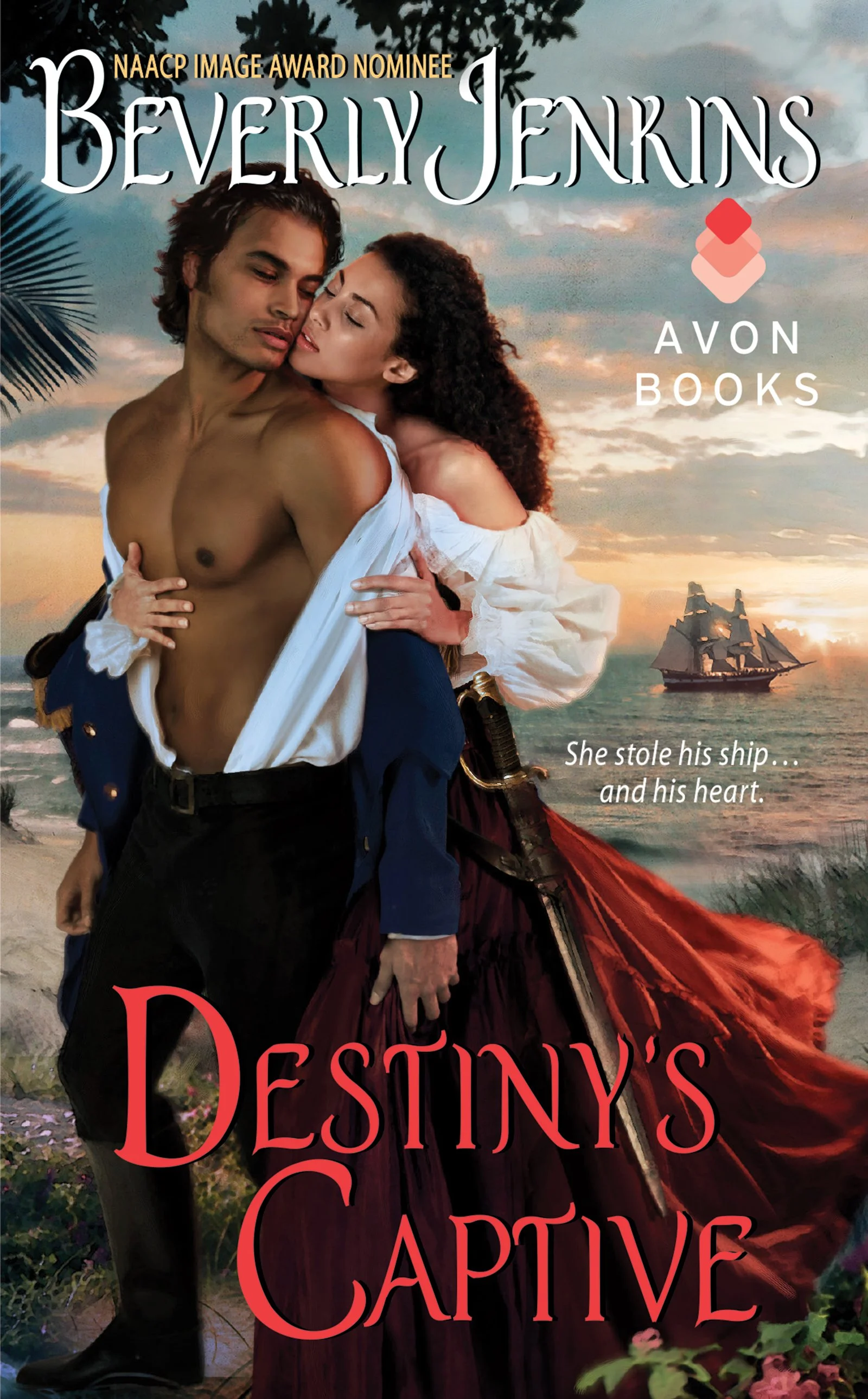


S04.19: Passion by Lisa Valdez: The Romance Equivalent of "I Have an Extra Stomach for Dessert"
On this episode, we’re talking about a historical that we like to think of as the full banana. A descriptor which, now that we’re typing it, really covers a lot of ground. It’s Passion week — we’re talking about how Lisa Valdez shook up the traditional historical world in 2005 when she released this erotic historical featuring a widow and a dude who has an extremely large…you know. We talk about what it means for a romance to be erotic and about how this might also be inspirational. We also talk about this as a marker of a significant shift in the content of romance novels, and ask some questions about basic anatomy. Headphones on for this one, y’all!
Thank you, as always, for listening! If you are up for leaving a rating or review for the podcast on your podcasting app, we would be very grateful!
Show Notes
Passion by Lisa Valdez was the first book in a series named the Passion Quartet, but only two were published. Passion in 2005 and Patience in 2010.
Passion takes place during Great Exhibition of the Works of Industry of All Nations, commonly called the Crystal Palace Exhibition. The Great Exhibition was well-documented in the book Dickinson's Comprehensive Pictures of the Great Exhibition, which is available in its entirety online. Charlotte Bronte was a visitor and wrote about her impression of the exhibits.
Lisa Valdez wrote about sex in romance on Jess Michaels's blog back in 2014.
America is full of weird controlling shit about sex, like abstinence only education, and the fact that people don't know where the hymen is. You should follow Dr. Jen Gunter and tell your kids about Scarleteen.
Sarah mentioned that Marc is a hero very much in the model of Dain from Lord of Scoundrels.
Up next, Munro. Stay tuned for more details.


S04.18: Jayne Ann Krentz: Trailblazer
Our Trailblazer episodes continue this week with Jayne Ann Krentz, who has done it all: writing for Vivian Stephens, writing historicals, writing contemporaries, writing space-set, fantasy, and paranormal romance, writing nonfiction about romance. In addition to managing life as JAK, Amanda Quick, Stephanie James and more, she’s also a legend of the genre because of her vocal resistance to the way society, literature and academia talks about romance novels.
In this episode, we talk about her journey and the way she continually reinvented herself to keep writing, about the importance of writers’ core stories, about genre and myth making, and about the role of romance in the world. We could not be more grateful to Jayne Ann Krentz for making time for Fated Mates.
Next week, our first read-along of the year will be Lisa Valdez’s Passion, an erotic historical published in 2005 that is W-I-L-D. There is a lot of biblical stuff at the world’s fair. Also some truly bananas stuff that…sticks with you. Get it at Amazon, Apple, Kobo, or B&N.
Thank you, as always, for listening! If you are up for leaving a rating or review for the podcast on your podcasting app, we would be very grateful!
Notes
Welcome Jayne Ann Krentz, she has had lot of pen names, including Jayne Taylor, Jayne Bentley, Stephanie James and Amanda Glass. Now she publishes under 3 names: Jayne Ann Krentz (contemporary), Jayne Castle (speculative fiction romance), and Amanda Quick (historical). She has said, “I am often asked why I use a variety of pen names. The answer is that this way readers always know which of my three worlds they will be entering when they pick up one of my books.”
We read Ravished for the podcast in 2021, or three decades ago. You know how it goes in these pandemic times.
People mentioned by Jayne: editor Vivian Stephens, author Barbara Delinksy, author Amii Loren, agent Steve Axelrod publishing executive Irwyn Applebaum, author Susan Elizabeth Phillips, author Kristin Hannah, author Debbie Macomber, author Christina Dodd, author Rachel Grant, author Darcy Burke, editor Leslie Gelbman, editor Cindy Hwang, editor Patricia Reynolds Smith.



Jayne Ann Krentz 0:00 / #
The thing about genre, the reason it even exists at all, is because it's the device and the mechanism by which we send our values down to the next generation. It's the way we affirm them to ourselves throughout our life, and it's the way a culture keeps its culture intact. It's the myth of the core value of that civilization, whatever it may be, that is going to go down through history and it survives or it doesn't survive, and that's what genre does, it carries the myth.
Sarah MacLean 0:35 / #
That was the voice of Jayne Ann Krentz. I am so excited! (laughs)
Jennifer Prokop 0:42 / #
Jayne Ann Krentz has written, probably, hundreds of romance novels at this point. Her major pen names right now are Jayne Ann Krentz, under which she writes kind of contemporaries, Jayne Castle is where she kind of puts all of her kind of speculative fiction novels, and Amanda Quick is what she writes historicals under, but she has been around for a really long time. She's going to start off by talking about her many pen names, which also include Jayne Taylor, Jayne Bentley, Stephanie James and Amanda Glass.
Sarah MacLean 1:13 / #
Amazing. This conversation, I've had the absolute joy of, you know, sharing meals with Jayne Ann Krentz, and so she is, I knew she was going to be remarkable, but this conversation really, gosh, I felt better for it at the end. I felt smarter about romance at the end, and I felt motivated in a way that I haven't felt motivated in a long time.
Jennifer Prokop 1:13 / #
Yeah, absolutely. Welcome to Fated Mates, everyone. What you're about to hear is our conversation with Jayne Ann Krentz which we recorded last fall in 2021.
Sarah MacLean 1:52 / #
Thank you so much for coming on and making time to join us for this. We're really thrilled to have you! We are avowed Jayne Ann Krentz, Amanda Quick, Jayne Castle fans. Stephanie James fans here! (laughter)
Jayne Ann Krentz 2:09 / #
Wait, let's not name all the names, that just makes me feel like I've been around forever. (laughter) I will say that was never the plan at the start. That was not part, there was no plan to be honest, but if there are any aspiring writers out there, one piece of advice for your takeaway today is for crying out loud, do not use a bunch of different pseudonyms! (laughter)
Sarah MacLean 2:34 / #
Well wait, so let's talk about that, because why not? You have, how many were there? How many are there total?
Jayne Ann Krentz 2:43 / #
Too many and the reason was because back in the old days, a lot of the contracts tied up your name, and if you signed one of those contracts, which of course I did early on, because I just wanted to be published, and it was like no big deal. Everybody writes under a pen name. And then there were two pen names. Because once you leave that house, they've got the name. It stays behind. I don't, I doubt that that appears in modern contracts, I have not heard of that for a long time. But back at the start of the romance rush in publishing, that was not an uncommon feature in a contract. So that's how it started, but it got worse because at some point, I managed to kill off a couple of names including my own. And you do that by low sales, you know, bombed out sales, which we'll get to when we talk about what a fool I was to go into science fiction romance, but it was a good way to kill off your career that time and I did because I wrote under my Jayne Ann Krentz name. So when I destroyed that, I destroyed my contemporary career, and it was at that point that I had to really retrench and figure out how to restart and reinvent myself and that was when Amanda Quick came along. So Amanda Quick is a legitimately acquired pen name, I did that to myself. Jayne Castle happens to be my birth name. I managed to sign that away for awhile, and then Jayne Ann Krentz is my married name. So I'm just under those three now.
Jennifer Prokop 4:28 / #
Now it's just the three, right?
Jayne Ann Krentz 4:30 / #
Yup. (laughs)
Jennifer Prokop 4:32 / #
So I was just thinking, was this only in romance? Did this happen to mystery writers or other genres?
Jayne Ann Krentz 4:41 / #
I don't know, but I'm willing to bet that it was pretty common in the paperback side of the market.
Jennifer Prokop 4:45 / #
Yeah. Okay.
Jayne Ann Krentz 4:46 / #
I don't, yeah, I think it was just kind of a common thing. If you look back, a lot of writers who are writing mystery and suspense today acquired a pen name at some point along the way.
Sarah MacLean 4:57 / #
So I always wondered, you know, you and I have had a lot of conversations over the years, Jayne, about patriarchy and romance, and I always thought the pen names were because of the books, but I guess mystery and sci-fi writers also did the pen name thing.
Jayne Ann Krentz 5:14 / #
The thing about a pen name, if you can get, if the publisher can get that into the contract, all a writer has is her name, and if they tie that up, you're tied to the house. It was just hard business, hard business is what it was.
Jennifer Prokop 5:29 / #
Well and I remember is an early reader of romance in the '80s, when you finally figured out, "Wait, this person is this person?"
Sarah MacLean 5:38 / #
Oh, it would blow your mind!
Jennifer Prokop 5:39 / #
Yeah, because then you were like, "Wait, there's a whole new someone I can look for in the bookstore," or the used bookstore especially, right?
Sarah MacLean 5:47 / #
Wasn't there a Romantic Times, somebody published, every year there was a publication that was like an encyclopedia of the romance novelists and it would say the names, all the names that that particular person was writing under, which when I started, maybe I started 12 years ago, and that was the time when if you wrote in different genres, which I feel like is the Jayne Ann Krentz way, you write a different genre you start a different name, but yeah, now, it's far less common, I think.
Jennifer Prokop 6:17 / #
I think it's common now. I'll tell you how it's different. I think when people self-publish, they sometimes pick a different name, and I think if especially if the heat level is really different, right? So I've had author friends say, "Well I'm going to try my hand at maybe something more erotic, and you know, is this going to interrupt my brand?" So I feel like it's so much more in control of the author, as opposed to control of the house, so that's a big change.
Jayne Ann Krentz 6:47 / #
Yeah, I think that's very true now. This was the way it was just done in the old days, and the rules were different then.
Sarah MacLean 6:54 / #
Yeah, so let's go back before you were picking pen names. So tell us about, we love the journey, so tell us about the journey. How did you become a writer? And how did you become a romance writer specifically?
Jayne Ann Krentz 7:11 / #
You know I think I just, there was never a point along the way at which I felt I could write romance better than books I was reading. I loved the genre. I found the books, I didn't really find the genre in the way we, anywhere near what we would identify it as today, until I was in, after college, until I was in my '20s. And then that's when I stumbled into Harlequin. They were the only game in town and they weren't even in town. And that was, that did me fine for few, I don't know how long it was that when I was reading them intensely that, before I wanted to try writing one. And it wasn't that I thought I could do it better than the big names at the time, I just wanted to tell the story my way. Most of the stories I was reading, well all of them, looking back on it I think, were very much the British take on the fantasy. And that's a very specific and very tweaked different take than what most American readers respond to.
Sarah MacLean 8:16 / #
Well can you explain, can you talk about that? What does that mean?
Jayne Ann Krentz 8:20 / #
Okay, the quick and easy way to understand it, is that in the British romance, your heroine is marrying up. She's marrying the duke or some version thereof. In the American romance, it's much more of a partnership kind of approach to the romance, and what matters is the man's competence. It doesn't matter what he does, he just better be damned good at it, and that's what counts. So it's a different take. There's also more sass in the American romance, and that may come from our good old 1930s movies, you know, those screwball comedies, and the fast chatter-chatter back and forth from the the 1930s romantic, and often romantic suspense films. I don't know where it came from, but it's just, it was in the American romance almost from the get go. The voice is so different, and it's more of a conversational quick repartee. It actually isn't original with us. I mean that's what Georgette Heyer was doing, but it kind of fell away in the British romance that I was reading and came back big time in the American romance.
Sarah MacLean 9:35 / #
And so when you talk about this, the American romance, these books that you were reading, we're talking about categories, the early categories? Or are you talking about historicals from the '70s too?
Jayne Ann Krentz 9:47 / #
I didn't start reading - (laughs) confession time.
Sarah MacLean 9:51 / #
(laughs) Good! Let's do it.
Jayne Ann Krentz 9:53 / #
I never read historicals. I wanted the contemporary story. I wanted romantic suspense and that was to be found in a contemporary setting in those days. So I never was drawn to the historicals until I managed to kill off my Jayne Ann Krentz career and I had to reinvent myself as Amanda Quick, and then I was starting from scratch because I had no idea how those books worked.
Jayne Ann Krentz 10:18 / #
So, but I'm a librarian, so...
Sarah MacLean 10:21 / #
Okay, so were you a librarian when you were reading and writing?
Jayne Ann Krentz 10:25 / #
Yes.
Sarah MacLean 10:26 / #
And so tell us where you were, and you were?
Jayne Ann Krentz 10:31 / #
Well, probably the lowest point of my library career was one year I spent as a school librarian. That's a calling, not a career (laughs), and I was not called. And then spent the rest of my library career at Duke University Library, and then later, a couple of corporate libraries out West here.
Sarah MacLean 10:54 / #
We interviewed Beverly Jenkins for the series, and she, too, was a corporate librarian. So I feel like there are all these little connections.
Jayne Ann Krentz 11:02 / #
Yeah. Well, that was the most boring work, actually, the corporate work. I mean it was a job and I needed a job, but for me it was much more interesting to work with readers, scholars, students, you know, people who were actually after information, not just the latest drawing for that particular gadget that they got to dismantle. But that's just me. I just happen to like the public work better.
Jennifer Prokop 11:32 / #
Jayne, we read your book, Gentle Pirate, and the heroine was a corporate librarian, I think, right? Was that around the time that you had that job? I mean, this would have been like the very early '80s.
Jayne Ann Krentz 11:45 / #
That was the first book I wrote that sold.
Jennifer Prokop 11:47 / #
Okay.
Jayne Ann Krentz 11:49 / #
There was another book that came out, actually a few months earlier, but it was actually sold after Gentle Pirate. Gentle Pirate was sold into the beginning of the Ecstasy line. That was the line that...
Jennifer Prokop 12:03 / #
Vivian Stephens.
Jayne Ann Krentz 12:04 / #
Vivian Stephens founded, Vivian Stephens was, you know, she really turned the whole American romance industry, book publishing industry on its head. She just totally changed everything. If it hadn't been for her. I don't know how it would have developed, but she was a game changer, and because of her, a lot of what we now take as familiar voices in the genre got their start. It started with Vivian Stephens.
Sarah MacLean 12:32 / #
Yeah, it was that first class with Vivian was you and Sandra Kitt, and Sandra Brown and...
Jayne Ann Krentz 12:38 / #
Some other names that have come and gone that were big at the time...Barbara Delinsky. Yeah, but I was thinking of Amy Lauren.
Jennifer Prokop 12:49 / #
We read that one, too.
Jayne Ann Krentz 12:51 / #
She was Book One, in that line, yeah.
Sarah MacLean 12:55 / #
So you were writing, so you sat down, you put pen to paper. Did you have people who were encouraging you? Was it a secret?
Jayne Ann Krentz 13:03 / #
(laughs) Of course it's a secret.
Sarah MacLean 13:04 / #
Of course it's secret! (laughs)
Jayne Ann Krentz 13:05 / #
You're not going to tell anybody you're trying to write a book until you've actually...
Sarah MacLean 13:11 / #
I don't know. I told everyone. (laughs)
Jayne Ann Krentz 13:17 / #
Back in my day it was not something you said anything, you just, the closest you would have gotten. and I tried a couple times and it was disastrous, was to attend a writers group, a local writers group, but I wasn't really welcome there, because I was really flat out trying to write genre fiction. And romance at the time, was of all the genres, the least of them in terms of respect, and everybody else was trying to write a memoir.
Sarah MacLean 13:44 / #
Still, that's still the case. Everyone in the writing group is writing a memoir. (laughs)
Jayne Ann Krentz 13:50 / #
And I didn't see that as very helpful. What changed that landscape, the business landscape, so that I stopped signing stupid contracts that tied up my name was, again, Vivian Stephens, because she was the one that got us all together for the first Romance Writers of America meeting. And that changed everything for all of us in terms of finally being able to learn about the business.
Jayne Ann Krentz 14:16 / #
Because I'll tell you, the publishers did not want you to know about how it worked. We couldn't read contracts. I mean, it's just this gobbledygook. They still are but now, at least, you've got an agent, usually to help you, or you can get a lawyer to help.
Sarah MacLean 14:29 / #
Right, well, this is important. So you didn't have an agent in these early days selling Harlequins?
Jayne Ann Krentz 14:37 / #
I did eventually but not at the very...
Sarah MacLean 14:38 / #
But most people didn't. They just sort of packed up their manuscript and shipped it off?
Jayne Ann Krentz 14:43 / #
I take it back. I had an agent for the first couple of books and she really ripped me off. So I like to forget that, it was not a good experience. And after that I went solo because I didn't trust agents for a while. So I didn't calm down about agents until RWA. The first meeting of RWA when the agent showed up and you could talk to one and, you know, that's how I met my current agent Steven Axelrod. So...
Sarah MacLean 15:09 / #
Who is an agent for many, many, many of the big names of the genre.
Jayne Ann Krentz 15:14 / #
He was at the time because he was one of the few agents who took the genre seriously and saw that it was going to go big once the US publishers got into the business.
Jayne Ann Krentz 15:27 / #
And so he, he just jumped in early. It was timing, good timing on his part.
Jennifer Prokop 15:32 / #
So going back to these first books you wrote, Gentle Pirate you wrote first? Or did you have things in the drawer that didn't sell? What was that sort of journey to actually getting a contract or actually selling those first books? Where did those stories come from?
Jayne Ann Krentz 15:50 / #
Well, the very first book I wanted to write was actually what we would call futuristic romance, and I wrote a futuristic romance. And tip number two, for any authors out there, it does not pay to be too far ahead of the curve.
Jennifer Prokop 16:07 / #
Yeah, not in genre.
Jayne Ann Krentz 16:09 / #
Yeah, you've got to hit the wave just right to make it work. But, um, but that didn't sell. And then what I was actually reading was contemporary romance, because that's all there was. The reason, to backtrack, the reason I actually wrote the first futuristic romance and had hopes of selling it was because I came across, I was on a student cheap ass tour of Europe, and somewhere on some sidewalk, one of those book kiosks, had some American novels and I was out of stuff to read. And the book that changed my life was on that kiosk, and it was Anne McCaffrey's Restoree.
Jayne Ann Krentz 16:11 / #
Which was, yes, futuristic romance. And I don't think it did her career any good either, because she never wrote another. She moved on to dragons.
Jennifer Prokop 17:05 / #
To great success, right? To great success.
Sarah MacLean 17:07 / #
I mean, who didn't love a dragon.
Jayne Ann Krentz 17:09 / #
But she wrote a really, what we would call today is, you know, straight up what I'm doing with Harmony, and the Jayne Castle name, very much. So that was the life changing thing about that. But after that realized that I couldn't really make a living on the futuristic books, but the thing I was actually reading was contemporary. And that's what I backed off and plunged into.
Sarah MacLean 17:32 / #
So, then walk us through...I have lots of questions. So you're there with Vivian Stephens, and you're the first book, Stephanie James has the first book in one of the lines, right? You have one of the number ones, correct? Or am I making that up?
Jayne Ann Krentz 17:48 / #
I can't remember.
Sarah MacLean 17:49 / #
I might be making that up, but I'm pretty sure you're number one somewhere. So you're writing categories, and you're how many, I mean, this is one of the things that I love about people who were writing categories. How many books? How many publishers are you working for? How many books are you writing a year? What's this look like?
Jayne Ann Krentz 18:07 / #
Well, keep in mind the books are a little shorter than what we think of as a full-length paperback novel. They were probably about 68,000 words. They weren't novellas by any means.
Jayne Ann Krentz 18:18 / #
They were not as long as a full length novel. So and the other thing factored into it, is that you couldn't make a living unless you did three or four year. I mean, if you're trying to make a living at it, you're gonna, and you couldn't build a brand.
Sarah MacLean 18:33 / #
Right. You have to feed the beast. That's what we've been talking about so much. And then at what point do you think to yourself, alright, well maybe, does single title, the bigger books come later?
Jayne Ann Krentz 18:47 / #
Well, there was no market for single title except historicals.
Jayne Ann Krentz 18:51 / #
And I had resisted writing those because I didn't read them, with the exception of Georgette Heyer, which I had read those long in my teenage years, and I didn't think they were modern romances.
Sarah MacLean 19:01 / #
Sure. Well, and they're not, right. They don't have sex in them. They're not quite the same as the modern romance.
Jayne Ann Krentz 19:07 / #
No, not at all. So then after I was a success in category, category, as the publishers were starting to do one-offs. They were starting to experiment with the single title, and they wouldn't let me do it because I was not quite ready.
Sarah MacLean 19:26 / #
Oh, those words, that you're not ready. You hear that all the time from people because there was this idea, would you explain to everybody kind of how the system worked?
Jayne Ann Krentz 19:35 / #
I think the editors didn't have a sense of what really worked in the books with the exception of people like Vivian Stephens. But most of the editors I worked with were not real fans of the genre. They didn't read the books, it was a job and they did it as much as possible by the numbers, because they didn't know, they didn't react to the books themselves. I think that limits your vision of, and then they read outside the genre, and it wasn't romance. So they had a vision of what books outside the genre was and it wasn't romance. So they were probably, in hindsight, were looking for something more along the lines of what we would call women's fiction. You know, big, big book, women's fiction.
Sarah MacLean 20:18 / #
To kind of break you out of romance? The idea was eventually you would be "good enough" and I'm using air quotes for everyone, to get out of romance.
Jayne Ann Krentz 20:27 / #
Yeah, but I didn't want to get out of it. I wanted to write romance.
Sarah MacLean 20:29 / #
Thank you for that.
Jennifer Prokop 20:32 / #
Yeah, thanks.
Jayne Ann Krentz 20:34 / #
And then what happened was, it was a publisher. It was Simon and Schuster, Irwyn Applebaum. He was a publisher at Simon and Schuster. What was the name? What was the imprint?
Sarah MacLean 20:50 / #
Are you talking about Pocket?
Jayne Ann Krentz 20:52 / #
Yeah, Pocket books. Yeah, yeah. He took the first risk of publishing romance writers in big book format and in hardcover, and they just went through the roof. And so he really, eventually, I was published by him, but back at the start I didn't have that good luck. But he's the one that I think, in hindsight, really opened up that market and basically proved to New York publishing that, yes, these women readers will pay full price for a novel.
Sarah MacLean 21:27 / #
So what is your first single title? At what point do you make that switch?
Jayne Ann Krentz 21:33 / #
Well, I guess the first single title will be the one, the science fiction that failed.
Sarah MacLean 21:36 / #
Right. So I'm going to hold it up. This, Sweet Starfire, this is what we're talking about. This is, I'm sure you know about this, The Romance Novel in English which is a catalogue from Rebecca Romney. She's put together a collection of first editions and important works from the genre. She's a rare books dealer, and we're obsessed, Jen and I are obsessed with this.
Jennifer Prokop 21:55 / #
Yes, we are.
Sarah MacLean 21:57 / #
So Sweet Starfire is, I mean, it's not the first time anybody's ever written science fiction in romance, but this is it, right? This, this feels like a moment.
Jayne Ann Krentz 22:08 / #
I think because it was it was a true romance, in the American style. It had everything that the contemporaries had, just a different backdrop.
Jayne Ann Krentz 22:20 / #
And what that brought to the plate was you could do different kinds of plots. You could open up the plots.
Sarah MacLean 22:27 / #
Well, the argument being that Sweet Starfire opens the door to paranormal, as we know it, right?
Jennifer Prokop 22:34 / #
Well done.
Sarah MacLean 22:35 / #
I mean, which is a thing, it's major! There, and, you know, maybe we would have gotten there probably to vampires and everything else, but we got there, I think more quickly, because of you. So it's my podcast, so I get to say it. (laughter)
Jayne Ann Krentz 22:51 / #
I've always divided what's, okay, what Sweet Starfire had and what all my science fiction has is a very psychic vibe.
Sarah MacLean 23:00 / #
Mm hmm.
Jayne Ann Krentz 23:01 / #
And I have always drawn a very bright line between the psychic and the supernatural. So when you say paranormal, I tend to think of the supernatural, I tend to shapeshifters and vampires and witches, which I love to read, but I can't write. They're not, they don't fit my core story. So I've always thought of it as a separate area, and then there's the psychic romance or whatever you want to call it.
Jennifer Prokop 23:27 / #
Which you're still, I mean, those are still the Fogg Lake trilogy, which the, is it the third one comes out in January?
Jayne Ann Krentz 23:36 / #
I just want to take a moment here to say to anybody in the audience, this proves I can finish a trilogy.
Jennifer Prokop 23:42 / #
Well done. But that, it is psychic. It's you know essentially, everybody, the conceit is a fog goes over this town from a mysterious governmental entity and a whole towns full of people develop sort of psychic powers. And then it's like the next generation and the fallout. So it's interesting to hear you draw that line all the way back to books you're writing in the '80s.
Jayne Ann Krentz 24:10 / #
Yeah, I've always felt that difference, but I don't know that readers see it. It's just as a writer, I'm aware of it. But I think the reason I've been attracted to the psychic vibe from the very beginning, is because for me, it enhances the relationship. It gives that extra level of knowing between two people, and connection and bond. And it gives me other plots to play with. It gives me a little outside the box plot sort of thing, I think. But I also think it has a, it works because it's just one step beyond intuition, and most people can get into intuition. Most people believe in intuition. So asking them to take the psychic thing is just that one step beyond, whereas they may not be able to do the vampire thing or the supernatural thing, that may be a step too far for a lot of readers. But I think a lot of readers are fine with the psychic vibe, because everybody thinks they've got one.
Jennifer Prokop 25:10 / #
Right. Fair.
Sarah MacLean 25:12 / #
Wait, I want to go back to it doesn't fit my core story. So you might be the first person who ever explained core story to me, at a lunch at RWA, which I'm sure you do not remember. But I want you to talk about what core story is for, I mean, for everyone, but also, let's talk about yours. Because you seem to know very clearly what your core story is.
Jayne Ann Krentz 25:39 / #
I think I'm pretty familiar with it, because I had to understand it at that earlier point, when I killed off my science fiction career and had to reinvent myself as Amanda Quick, and I had never written a historical. So what I did was, I looked at that science fiction book, the last science fiction book, which was Shield's Lady. And I stepped back and I said, you know, duh, if you take out the rocket ships, and the funny animals and the other planet stuff, what you're really looking at here is a marriage of convenience. And then I thought, well dang, I know where those fit. So, so it was understanding a marriage of convenience, built on mutual trust, is what led me down the road to historicals. And then I realized it's what I always do. And I think it's important for writers to have a sense of their core story. And if you know your core story, you can sum it up in two or three words max. That's how elemental it is, because it has nothing to do with backgrounds, it has nothing to do with plots, it has nothing to do with the eras that you're writing in, it's all about the emotions you're working with, and the conflicts that you're working with. My core story is always founded somewhere on trust. And that's, like, I can write forever about it, because that's pulled from the inside. It's just a deep, deep thing that I am always curious about, interested in, everybody gets violated at one point or another, has their trust violated, everybody's been through that experience. Everybody has taken the risk of trust. You have to do it daily, basically. So it's a risk we're all familiar with, um, and it can wreck a life or it can change a life. And to me, that's all I need. That's just plenty to work with. So I think once you find the conflicts and the emotions that you love to work with, you're going to be able to explore, that's your universe, is what it comes down to. That is your universe, and you're going to write in every corner of that universe, some corner, every corner, for the rest of your career. I think. (laughs) That's my theory and I'm sticking to it.
Sarah MacLean 28:00 / #
I think it's a great theory. And it also makes so much sense that you weren't interested in leaving romance, because trust and love go hand in hand so well, that it makes sense. So when you, I want to get to Amanda Quick, the choice to do the Amanda Quick switch. So you say you've killed off your science fiction career. You're not writing contemporary single titles at this point. Is that because they don't exist generally, or you're just not?
Jayne Ann Krentz 28:31 / #
You know I don't think so. I think they were all historical.
Sarah MacLean 28:33 / #
Still at this point.
Jayne Ann Krentz 28:35 / #
Yeah.
Sarah MacLean 28:35 / #
Okay, and so you decide, because this is the late '80s?
Jayne Ann Krentz 28:40 / #
Yeah.
Jennifer Prokop 28:40 / #
Yeah, it feels like the only person I could think of who might have been writing an occasional single title...who wrote Perfect?
Sarah MacLean 28:45 / #
Contemporary.
Jennifer Prokop 28:50 / #
Yeah, contemporary. It was Perfect and...
Sarah MacLean 28:52 / #
McNaught.
Jennifer Prokop 28:50 / #
Yeah, Mcnaught had a couple. And there were a couple...
Sarah MacLean 28:58 / #
But that's a different angle into it, right, because McNaught was writing those big epic historicals and then, so the idea of her being asked to cut 100,000 words out of her books to write category is, I mean, she just wouldn't.
Jennifer Prokop 29:12 / #
Sure. Not going to happen.
Sarah MacLean 29:13 / #
I think Judith McNaught's amazing, but I doubt she'd be very quick to be like, "Yeah, I can write it in a third of the words." So you, at what point do you know you've killed your career?
Jayne Ann Krentz 29:27 / #
The same way you always know it. I couldn't get another contract with that publisher.
Jayne Ann Krentz 29:31 / #
When they stop giving you contracts, that's a pretty big sign.
Sarah MacLean 29:34 / #
Pretty good sign.
Jayne Ann Krentz 29:37 / #
And that's when an agent really earns their keep, in a sense, because it was my agent who sold me as, I had to come up with a proposal he could work with, and it was the Amanda Quick proposal, for my first Amanda Quick book. And he just did a dang good job selling it to Bantam Books at the time, and he sold them without telling who it was.
Sarah MacLean 30:02 / #
That is a story you hear all the time.
Jennifer Prokop 30:05 / #
Yeah.
Jayne Ann Krentz 30:07 / #
And then once they committed to the book, then he could say, "Well, that's Jayne. Yeah, that's Jayne." So, but that's, that's, you know, he did a miraculous job of resurrecting my career at that point.
Sarah MacLean 30:20 / #
Not just resurrecting your career, I mean, suddenly, Amanda Quick, you know, is everywhere. Amanda Quick is one of, Jen and I both...
Jennifer Prokop 30:29 / #
Oh, yeah.
Sarah MacLean 30:30 / #
This is one of the names that we came to romance with.
Jayne Ann Krentz 30:34 / #
I think, I think what I just realized too late, probably should have realized earlier, was that the Regency, which is where I started, it is the perfect background for my voice, and it works just like the '30s is working now for that voice. It's a very similar kind of voice or of conversation and dialogue, just suits my style. Both eras suit my style.
Jennifer Prokop 30:59 / #
So as a writer, you're choosing to do something that's really out of your comfort zone, it sounds like. So how was that experience for you? Was it generative? Did you find yourself really? Or was it always like a I would love to get back to my roots? How did that, how did it go for you?
Jayne Ann Krentz 31:19 / #
Well I hadn't been there, so there was no roots to go back to, except the realization that the story I was telling fit that Regency in the way that the old Georgette Heyer had, that I kind of, that's what I clung to. What I worried most about because I was, am, are a librarian, was the research. And that was, to tell you the truth, is the reason I hadn't gone into the historicals in the first place. I had majored in history. I knew how complicated it was, but the lesson I learned very fast, was that when you write, when you write genre, you are writing not the real history, but you're writing the myth. And the myth of the Regency was already there because Georgette Heyer had created it so I just wrote on that.
Sarah MacLean 32:12 / #
So one of the things, when we read Ravished on Fated Mates, we did a deep dive episode on the book, and you know, we love it. And one of the things that we talked about was how, you didn't invent the bluestocking, obviously, Heyer was there before you but there is a difference. Amanda Quick comes on the scene, and suddenly it's like a door opens on historicals. And I'm wondering if you, does that, I mean, first of all, do you think that that's a good read on what was going on? Because it feels like prior to that, you know, you had all of the big, you know, the four J's and you had kind of other historicals that were doing a kind of different thing. And then in comes the Amanda Quick historical with the smart, you know, savvy heroine, the bluestocking, the hero who is her true partner from the start. I mean, going back to your core story now that you've said that, of course, right.
Jennifer Prokop 33:15 / #
Of course. Exactly. That's how I felt too.
Sarah MacLean 33:16 / #
But at the same, and so I, you know, I reread all of your pieces in Dangerous Men and Adventurous Women in preparation for this conversation, and we'll get there. But one of the things that you talk about is this idea of the hero as both hero and villain. He plays both roles. And I think that is really true prior to you in historicals, but he doesn't become the hero until much later in those earlier historicals, versus, you know, when you think about the hero of Ravished, he's a decent dude from the jump. And I think that is really, it feels like a Jayne Ann Krentz or an Amanda Quick Regency suddenly was doing a little bit of a different thing. Was that intentional? Or was it you were just doing the different thing?
Jayne Ann Krentz 33:19 / #
It was just intuitive.
Jayne Ann Krentz 33:26 / #
Because that's, that's the kind of character I'd always written. If you read my books from the beginning, my heroes haven't changed much over the years. You know, pretty much my heroes, they do what they do, and that they're infused with my core values in what I think works in the hero and same with the heroines. And I think if you respond to my books or any author's books, it's because, you're not responding so much to the story, the plot, the characters, you're responding to the core values infused into the primary characters. And if and if you respond to those values, you're probably going to go back to those books, that author again and again. If you don't respond to him, it's a boring book, and I think that's how it works. So if you read my books, it's probably because you got my sense of humor. And you have the same, you share a lot of the same core values. The thing about genre, the reason it even exists at all, is because it's the device and the mechanism by which we send our values down to the next generation. It's the way we affirm them to ourselves throughout our life. And it's the way a culture keeps its culture intact. It's the myth of the core value of that civilization, whatever it may be, that is going to go down through history, and it survives or it doesn't survive. And that's, that's what genre does, it carries the myth.
Jennifer Prokop 35:40 / #
I love that.
Jayne Ann Krentz 35:42 / #
That's my theory.
Jennifer Prokop 35:46 / #
That I think is really true. And when I think about myself as a romance reader for 40 years, or however long it's been. It's not that quite that long. I feel like I really do see that, like those arcs. But at the same time, I feel like there's so many ways I can talk about how romance has changed. So for you, what are the things, like they're still the big things that are the same? What are the things that have changed in romance, do you think?
Jayne Ann Krentz 36:15 / #
Those dang cell phones. (laughter) You laugh, but I'm telling you. I know, I know what you mean. And one of the tricks to success in this business is trying not to tie your story down to a particular era, unless you're really telling that era's story. I mean, if, you know, when you do the 1930s, you do the 1930s. But, but if you want the books to have a long life, it's best not to put in any gadgets or...
Sarah MacLean 36:48 / #
Celebrity names.
Jayne Ann Krentz 36:50 / #
Celebrity names, politician's names, history, local ongoing history. Keep it, the more you limit it to the myth and the mythical side of the story, the longer that story is going to survive. But that's, that's a whole other issue here. Clearly, the surface changes all the time. And that's just true of any genre. But the underlying power of the genre that you love to read, whatever that genre is, doesn't change very much. And so I'm still writing relationships that have to overcome the hurdle of trust, and it's not going to change. You know, that has nothing to do with politics or history or social problems. I think the more you deal in social problems, the more you move away from genre, in a sense, because you're dealing with the superficial again, you're back to what's current now, but 20 years from now, that won't be an issue. Some things will be issues, because they're they're universal things. I'm thinking now about women's voting, getting the right to vote. It's an interesting historical detail, and it's an important historical detail. And you can tell stories around it, because the Suffragette movement was so important, but it is, it's a different take. It's, I think what happens when you do that is like, it's like, okay, it's clear to see it set in, in a war. Any book you write set in World War Two, no matter what you do, the war is going to be the primary character. Nothing. In the end, there will be sacrifices, and everything will be sacrificed to doing the right thing in the war. Because that's the other thing that genre does, which is call upon its characters at one point or another, to do the right thing. And we have a sense of, a sense of what a real hero does when the chips are down. We have a sense of what a heroine is supposed to do when push comes to shove, and they do the right thing. That's how, that's, that's all that matters. And that works big time if you're setting the story against an overwhelming backdrop like a world war. It's Casablanca. You never see, you never see any fighting or shooting. It was one gun but you know what I mean.
Sarah MacLean 39:21 / #
War is everything.
Jayne Ann Krentz 39:23 / #
Right. Everybody sacrifices for the war effort. And it's just, I'll never write that story because it's not mine. That does not fit. It doesn't come back to the trust between two people that I want to write about. I can admire it, you know, it's not that, but it's not my story.
Sarah MacLean 39:40 / #
As you're writing, in your career, you know, you've spanned, you know, you started with categories, you've written single titles, you've written sci-fi, you've written historicals, you've written, you write contemporaries now, still. At what point in this journey are you thinking, "Oh my gosh, romance is a big deal. I mean, it's really, there are millions and millions of women out there who are reading these books, largely women."
Jayne Ann Krentz 40:09 / #
Guess when the big checks started coming. (laughter) You know, once the American publishers got into the market, it became a big business really fast, because that's just how the American market works. If it works, it explodes. You know what I mean?
Sarah MacLean 40:22 / #
Everyone's throwing books out all the time.
Jayne Ann Krentz 40:25 / #
You can clutter up the market in a hurry, you know, but that's kind of a normal process. And yeah, I just think that the process of becoming a big business happened really quickly, and simultaneously, or concomitantly, or whatever, right along with it, came the foundation of Romance Writers of America, which gave the romance writer access to information about the business. So we grew up with it, in a sense, that first generation of romance, American romance writers grew up learning fast.
Sarah MacLean 41:03 / #
Because at the time Romance Writers of America was about the business, right? It was about professional writers coming together to share, to information share.
Jayne Ann Krentz 41:12 / #
It was networking.
Jayne Ann Krentz 41:14 / #
We didn't, we didn't have that word for it, but that's what it was. And a lot of the friends I have today, I made back in those early days of networking.
Sarah MacLean 41:21 / #
So talk about that. What was this community like? Who were they? What were you getting from them? How are you interacting?
Jayne Ann Krentz 41:30 / #
Back at the beginning, only published writers were in the group. It later opened up to unpublished writers, but back at the time, we all had the same interests because we were all published, we're all dealing with publishers, we're all dealing with contracts, we're all trying to find agents, you know, that there was a lot of business to discuss, and the other organization, Novelists, Inc., also came along about that time. And gradually, I think people realized that romance writers had a lot of, all the same concerns and interests as the writers in the other genres. So there was some cross networking there too. It wasn't always comfortable, but you knew that there were other writers groups out there that had the same issues and and you could learn from them. So I just think it was the networking thing that today happens online. So it isn't maybe so necessary to have the organizations that, that we just didn't have that online option. I didn't know any other published writers until I went to that first meeting of the RWA, the very first RWA.
Sarah MacLean 42:38 / #
Yeah. Who is the group of people who keep you going?
Jayne Ann Krentz 42:43 / #
Well, Susan Elizabeth Phillips. Kristen Hannah. A lot of it is, are friends I know here, like Debbie Macomber, because we have a lot of us happen to end up in the Pacific Northwest. Christina Dodd. More newer friends who've come along right now, for example, Rachel Grant, who is doing a really interesting, modern, very modern version of the heroine who is an archaeologist, and it's kind of the new Amelia Peabody, but except very modern. And Darcy Burke.
Sarah MacLean 43:18 / #
Were there editors who you feel were essential to the growth, your growth as a writer?
Jayne Ann Krentz 43:26 / #
Yes, and to the genre, because I said back at the beginning, a lot of the editors were not people who actually loved the genre. For a lot of editors, it was a starting point in their careers, which they hoped to move on to other kinds of books, I suppose. But years ago, it's been a few decades now, I can't remember when, editors started coming into the genre, who like Vivian Stephens just loved the books, just have a gut way to buy the books, they can buy them by intuition, because they read the books, they knew how they worked. So editors like Leslie Gelbman, and my editor today, Cindy Hwang, who pretty much invented the whole paranormal publishing industry.
Sarah MacLean 44:14 / #
We should say Leslie Gelbman also edits Nora Roberts. So you've you've probably read something by Leslie Gelbman's authors before.
Jayne Ann Krentz 44:23 / #
And those editors, and they have in turn mentored a group of younger editors coming up, and they choose their people now. They choose their editorial staff knowing that they need writers, they need authors, they need these editors to bring in authors who will work long term, and that takes an editorial eye that loves the basic story.
Sarah MacLean 44:50 / #
Right. So there's this, it feels like there's this editorial mindset of building a career, of buying an author and shepherding. them through the journey.
Jayne Ann Krentz 45:01 / #
Yeah. Yeah. It won't probably last a lifetime, but their careers and the writer's careers in that kind of publishing are very intertwined. There is no getting around it. On the other side of the coin is the self-publishing, the indie published authors, who don't have that kind of connection, and it's a very different publishing world for them. It's an interesting, it's an interesting thing that's happened in the industry, because I think between the two, the writers finding editors who love the books, and the independent writers who don't need gatekeepers, which basically New York editing is a gatekeeping job. And agents are gatekeepers too. But the indie crowd doesn't have to worry about gatekeepers. So between those two groups, they kind of have revolutionized the whole romance genre, in that they have allowed an almost unlimited variety of experiments. And that has kept the genre, keeps it fresh, it keeps reinventing itself because it keeps going new places. Some of the other genres can't say that. They're much more hidebound, much more rigid, in what's acceptable. If you put a vampire cop into a traditional murder mystery, it's not gonna sell. They don't want vampires in there. They know what they want in their murder mysteries and it ain't vampires, but a romance reader will look at it. She may not like that book, but she'll give that story a chance. So the readers were inclined to be experimental too. They'll try something new. And that's, that's just been an amazing thing for the whole genre, because it keeps churning, it keeps changing. It keeps adding and experimenting, and one of the reasons we were able to do that, even in the early days, was because nobody cared enough about romance to make any rules.
Jayne Ann Krentz 47:08 / #
We skated under the radar, and it was very useful for those of us who didn't know there were rules. It's like, "Oh, okay." (laughs)
Sarah MacLean 47:16 / #
So let's talk about this, Dangerous Men and Adventurous Women, because I would like to hear the story of how this came to be in 1992.
Jayne Ann Krentz 47:30 / #
I think at that point in my career, I was very successful. I knew a lot of other successful writers. And as the saying goes, we didn't get any respect. And it wasn't that I wanted people to love my books. I understood, I don't read a lot of other people's books too, you know. I have no problem that you don't want to read the books, but the criticism was not proper criticism. It was not literary criticism. It was blowing off not just the the writers, but the readers, and the implication was, they're not well educated. They don't have a lot of money. They're, it just wrote everybody off from from the consumer through the writer.
Sarah MacLean 48:10 / #
And are you talking about specifically academics at this point? Or because there's a very famous late '80s study that came out about romance readers that presents them in this way?
Jennifer Prokop 48:22 / #
Is this Radway?
Sarah MacLean 48:24 / #
The Radway.
Jayne Ann Krentz 48:25 / #
No, I read the book and it's, okay, one of the things I learned about going into academic publishing, which I did one time and we will never do it again (laughter), is that you are expected to take a, what would be the right word, of philosophical slant, and then bring in the proof that shows that your take on it is correct. I've always felt that didn't really, wasn't very helpful, because you can make anything look right, if you bring in the evidence that you want to bring. (laughter)
Jayne Ann Krentz 49:01 / #
Yeah, so I didn't, I didn't, and that was what passed for serious academic criticism. That was nothing compared to the jokes in the newspapers on Valentine's Day.
Sarah MacLean 49:11 / #
Sure. I mean, which still persist.
Jennifer Prokop 49:13 / #
Yeah.
Jayne Ann Krentz 49:14 / #
No, it ranged across the whole scale. So at that point, I was still in my feisty mode, I guess. (laughter)
Sarah MacLean 49:22 / #
I love it.
Jennifer Prokop 49:23 / #
We're still in our feisty mode, so pass the baton right over. (laughter)
Jayne Ann Krentz 49:28 / #
Just go. Run with it. Run with it. But I had been in the business long enough to know that there was one editor out there who straddled both the academic and the genre, and that was Patricia Reynolds Smith. I had met her while she was working for Harlequin. And then eventually she moved into academic, she went back to her roots, which was academic publishing, and was with the University of Pennsylvania Press. So I called her up, and I told her what I had in mind, and I said, "Where would I take a book like this?" And she said, "Right here."
Sarah MacLean 49:29 / #
Terrific.
Jayne Ann Krentz 49:29 / #
So she really is the one I give full credit to for that book, because she knew how to organize it so that it looked academic, so that it was acceptable to an academic reader, and that it met their standards, as well as told our side of the story.
Sarah MacLean 50:25 / #
And it's interesting, because at the beginning of this book, the first line of this book is, "Few people realize how much courage it takes for a woman to open a romance novel on an airplane." And it felt, I mean, I read that again, you know, this week, and it just felt like a shot to the heart because it, I mean, we've all been there, right?
Jennifer Prokop 50:44 / #
And people still feel this way, right? And this 30 years later.
Jayne Ann Krentz 50:49 / #
Why do you think romance readers were early adopters of ebooks? (laughter)
Jennifer Prokop 50:53 / #
Exactly. None of your business, right? None of your business.
Jayne Ann Krentz 50:57 / #
Yup.
Sarah MacLean 50:57 / #
But the idea, this kind of transformational idea of turning the text around and saying you're missing the point. This is for the reader. This is about these women, these, largely, women who are experiencing these books, the mythology of these books, the power of these books themselves, privately, had to have been kind of earth shattering for academics, because that's not what they were talking about in those other books, which I also have read.
Jayne Ann Krentz 51:27 / #
Interestingly enough, we have several warmly received reviews from female academics. The harshest critics for that book that I recall, were male.
Jayne Ann Krentz 51:41 / #
And they just didn't get it. It just, even with all our careful explaining, (laughter) apparently we didn't explain it to a lot of men very well, but most of the women I talked to afterward got it.
Sarah MacLean 51:57 / #
Yeah. So you get to, you send out an email, or well, you don't send out an email. (laughter) Wait, how do you get all these people?
Jennifer Prokop 52:08 / #
Exactly!
Sarah MacLean 52:08 / #
Oh my god, what is happening? (laughing)
Jennifer Prokop 52:10 / #
You don't text your friends?
Jayne Ann Krentz 52:13 / #
This, this is that thing called the telephone.
Jayne Ann Krentz 52:16 / #
You dial it.
Jennifer Prokop 52:19 / #
I remember now.
Sarah MacLean 52:20 / #
So you start picking up the phone and calling you know, the biggest names in the genre. Elizabeth Lowell is in here, Mary Jo Putney. Susan Elizabeth Phillips.
Jennifer Prokop 52:28 / #
Sandra Brown.
Sarah MacLean 52:29 / #
Sandra Brown. Stella Cameron. And you say what?
Jayne Ann Krentz 52:34 / #
I tried to explain what I was trying to do. But I've never been the best proposal writer. In terms of explaining, I can write a proposal, but pitching it verbally has always been hard for me. But I, after talking to Pat Smith, the editor, I had a sense of how how to phrase what I was asking for, which is I'm not going to give you a topic. I just want you to tell me what you think makes the books work. What is the appeal of the romance? And 19 authors came back with 19 different essays, that all went together very nicely. It just, they just worked across the spectrum. And that book is still in the libraries today, academic libraries today. And then that was what sort of Pat Smith told me going in, she said, after I was exhausted, because this took a year out of my life.
Jayne Ann Krentz 53:27 / #
You try herding 19 authors! (laughs)
Jennifer Prokop 53:29 / #
Yeah, right. Before email.
Sarah MacLean 53:32 / #
Before email. (laughter)
Jayne Ann Krentz 53:35 / #
And then having to be the one to pass along the edits .
Sarah MacLean 53:39 / #
The notes! How dare you! (laughs)
Jayne Ann Krentz 53:45 / #
Without losing any friendships in the process? You know, it was, but everybody came through and everybody was very gracious about it. So it was an interesting experience all the way around. But she said, "The one thing about this book is that it'll still be around 20 years from now."
Sarah MacLean 54:03 / #
And it is. I mean, it was, I mean, it's been on my shelf since the very beginning of my career. So...
Jayne Ann Krentz 54:09 / #
Thank you.
Sarah MacLean 54:10 / #
I'm really grateful for it. So we talked a lot about what your core story is and what makes a Jayne Ann Krentz novel. I wonder if we could talk about your readers? Do you, I mean, one of the things that really struck me in Dangerous Men and Adventurous Women in your introduction, as I said, was centering the reader. And you're, you have this conversation in the introduction where you talk about reader service. And I wonder, we all know, of course, as readers and writers of the genre that readers are really drawn to romance and it's a very different kind of relationship that writers have with romance readers. Do you have any moments that stick out from across your career of times when you've heard from readers or really understood the power of the genre with them?
Jayne Ann Krentz 55:02 / #
I think the thing that surprises me the most, and other writers I know have the same reaction, is how often a reader will take the time to let you know that your book got them through a tough time. And I think it speaks to the underlying communication of the emotional core of those stories. When you are sitting by a bedside of somebody who isn't doing well, you want you want to read something that is speaking to your heart, and speaking to your emotional core, and affirming your own deep core values. And romance does that for women. It does it for men too, I think, but we haven't really gone there, you know, acknowledge this. I am, I'm always surprised at how many male readers romance writers pick up along the way. That they do respond to the books, and often it's the wife buying the book. And then he reads it at home kind of thing. It's an interesting play. I remember asking one male reader who came through an autograph line, he was really, really into the books that he was buying, and he was very excited. And I asked him what it was he, what spoke to him in the stories and he said, and his son was with him, and he said, "My father just came back from the war." This was, he was a Vietnam vet. And the vet said, "I just don't want any more blood." And so he got a story with a little mystery in it, a little suspense in it, a lot of action, but no really grisly, horrifying things. So there may be more of that kind of reader out there than we realize, because so much of modern romance incorporates an element of suspense, which is also that romantic suspense is a, I think, also a really core American story.
Jennifer Prokop 57:08 / #
Yeah.
Sarah MacLean 57:09 / #
That's fascinating.
Jayne Ann Krentz 57:09 / #
It's just very popular.
Sarah MacLean 57:12 / #
Jen has a whole - Jen, I know you want to talk about Vietnam, and you should ask your question.
Jennifer Prokop 57:19 / #
So my dad fought in Vietnam. And you know, I read, looking back, I am fascinated by how, so I started reading romance when I was probably 12 or 13. And this would have been like the mid '80s. And so many of these heroes were men back from Vietnam. And I am just personally really - and Sarah's whole college thesis was about Vietnam.
Sarah MacLean 57:48 / #
Women on the homefront during Vietnam
Jennifer Prokop 57:50 / #
Right?
Sarah MacLean 57:51 / #
Probably because of romance novels, I mean, of course, because of romance novels,
Jennifer Prokop 57:55 / #
Sure, of course, right? And I think for both of us, I mean for me, it was just really personal. I still don't really understand my father. And when I read books about war by men, I'm reading about combat, but when I read romance about men coming home from war, I'm reading about my family. And I think that, I've always joked, I'm getting a little weepy. It's hard to talk about, because I feel like my dad's really broken and he still is, and no one, love didn't fix him, right? And I know that that's why I get so angry sometimes when people are like, "Women reading romance." I'm like, "Look, I wanted to live out a world where it was possible for my dad to be fixed by love." And romance gives me that. And I think that I'm just really fascinated by the way that those Vietnam heroes, to me, turned into romantic suspense in a lot of ways, right? Like we, we put it back on page. So I don't know if there's a question there. I think it's your heroes meant a lot to me, because I felt like here's somebody who's talking about how hard it was to live with these men who had come back from war, and didn't know how to be parts of families anymore.
Jayne Ann Krentz 59:12 / #
Now, and that is a common story after every war. It's not just Vietnam. It's every damn war that sent them home. And what happens is, these broken men came home, and the women are left to patch them up as best they can. Sometimes you just can't.
Jennifer Prokop 59:27 / #
Yeah.
Jayne Ann Krentz 59:28 / #
You know, the damage is too great. And I think the books acknowledge that. They give a happy ending because that's what we're in the business of providing, is a bit of hope at the end. But even with the happy ending, if you say that's unrealistic, and I don't know that it is for everyone. I mean, that in your case, obviously, it was, for the real life. But what those books gave you was the fact that you were not the only person dealing with this. Women across the country were dealing with this, and not always successfully, and they acknowledge that pain, they acknowledge the problem, they acknowledge the damage. Yes, they've tried to fix it with love, but in a way, that's not why you're...
Jennifer Prokop 1:00:13 / #
That wasn't it, right. It was just that it was there.
Jayne Ann Krentz 1:00:16 / #
Other people acknowledged it.
Jennifer Prokop 1:00:18 / #
I often say that, if you want to read about miscarriage, you should read romance. Because it's another place where it's like, these things happen to people and we go on. And I feel like that's one of the things, to me as a reader, it's the, and I just don't think romance gets enough credit for really...
Jayne Ann Krentz 1:00:38 / #
It doesn't.
Jennifer Prokop 1:00:39 / #
Really saying, "Look at what we go through and yet we still persevere or trust each other or find a way." That's why I read romance. Every every single romance gives me that.
Jayne Ann Krentz 1:00:52 / #
Because it is affirming a positive core value. It is affirming hope, which ultimately is all we've really got. (laughs) But on the respect side, I will tell you one story that has stuck with me for decades now. And that was years ago, I was at a conference, one of those book fairs. Remember the big book fairs? Seattle used to have a big book fair. And I was...
Sarah MacLean 1:01:22 / #
Remember when we all went places and stood with other people? (laughter)
Jayne Ann Krentz 1:01:27 / #
Those were the days. But I was standing with a crowd of local writers of all genres, because we just have a lot of local writers here. And there was a very well-known science fiction writer, a very well-known mystery writer, a very well-known memoir writer. I mean, there was just a bunch of us standing around. And somebody started whining about how they didn't get any respect. And I being the only romance writer, and I figured I had the biggest...
Sarah MacLean 1:01:57 / #
Oh boy. Was it a man?
Jennifer Prokop 1:01:59 / #
Bite me.
Jayne Ann Krentz 1:02:02 / #
I kept my mouth shut, because every single one of those genre writers had the same experience.
Sarah MacLean 1:02:08 / #
Yeah.
Jayne Ann Krentz 1:02:09 / #
They might, in turn, have been able to look down on me, but by golly, they felt looked down upon. (laughs) That sense, and that was another insight into the fact that by and large, our country, our culture does not give a lot of respect to genre fiction in general, not just romance. We might get the sharp end of the stick or whatever, but there isn't really a lot of respect for the genres compared to the literary novel. And that, I think, is a huge misunderstanding of the purpose of genres, which, as I said earlier, isn't so much to capture a moment in history, it's to capture values and core cultural beliefs, and affirm them and transmit them. And that's really crucial to a culture. That's more important to a culture, than a piece of snippet of time of that culture, which will never be, will never happen again. So you can write New York City problems or LA problems today or tomorrow, and that's a piece of history that you're doing, but it's the underlying core values that will decide whether or not it's the genre or literary. I think it just has a really important place in our culture. Every culture has a version of genre stories, and that's how humans tell stories, and why they tell them, I think. Because it's really kind of interesting, when you think about why do we tell stories, you know?(laughs) And we, even if you don't read, you're gonna be exposed to stories, you'll be inundated with stories on TV. I mean, it's just roll through.
Sarah MacLean 1:03:48 / #
Well, we talk all the time about, you know, how romance really scratches a kind of primordial itch. It feels, it hits you emotionally first, and then the story waves over you, crashes over you. And I think that's the power of all genre, is this idea that the stories have to be compelling, they have to keep you interested, and you know, keep you turning the pages, in a way that, and I don't, I'm with you. I don't understand why that's somehow less valuable. It feels more valuable in a lot of ways.
Jayne Ann Krentz 1:04:24 / #
RIght. I think it's because there's so much of it. Humans, just in general, tend to blow off anything that's got tons of it around. And there we are inundated with stories from film, from TV, from audiobooks, from books. It's just everywhere, so we tend not to give it a lot of respect.
Jennifer Prokop 1:04:43 / #
So back to your books. Are there books of yours that you're the most proud of or that you hear the most from readers about?
Sarah MacLean 1:04:52 / #
Maybe those are two different books.
Jennifer Prokop 1:04:54 / #
Yeah, could be.
Jayne Ann Krentz 1:04:55 / #
I've always heard a lot about Ravished. And that's because it is the most fundamental version of my core story.
Jennifer Prokop 1:05:02 / #
Yeah.
Jayne Ann Krentz 1:05:03 / #
And that's it's beauty and the beast thrown in with the trust thing.
Sarah MacLean 1:05:08 / #
For me, it's because Harriet says, "Well, it's not like I'm doing anything with my virginity." (laughter)
Jennifer Prokop 1:05:15 / #
A classic line forever.
Sarah MacLean 1:05:16 / #
It's the greatest moment in romance history when Harriet says that! (laughter)
Jayne Ann Krentz 1:05:21 / #
What is this doing, yeah? So I hear a lot about that one. But to tell you the truth, I, the book I love best is always the one I just finished. And I suppose that's because it's the one that I just most recently wrote my heart into, you know. And people tend to quote lines back at me. I'll hear lines from books and forget I wrote the line. I think the only line I really remember writing, and it's only because I heard it quoted so many times after the book came out, which was, "Good news. She doesn't need therapy." (laughter) That was from Perfect Partners, and I've heard that line my whole life. (laughs)
Sarah MacLean 1:06:05 / #
Proof Jayne Ann Krentz is not from New York City. (laughter) So that's great. Do you feel like there is a book that you, is there a book of yours that you wish would outlive you? If you could choose one?
Jayne Ann Krentz 1:06:25 / #
It isn't, I don't think of my own books as being that kind of book that would speak to future generations. I don't, it'd be nice if it did, but I don't have a strong sense, it's not part of what I'm trying to write for. But what I hope outlives and lives on is the genre itself. Because I think the romance genre is probably the core genre from which everything else derives. You can't write any of the other genres without that core story of relationships. At least they won't be very interesting stories if you don't. [include romance] So I hope we never, I hope as a culture, we never lose the romance genre, simply because I think it is, it's a critical voice and a critical kind of story that we need, because it's all about the foundation of a union, a family and a community. And that core value is what holds civilization together. So there we go. We need romance to keep civilization going.
Sarah MacLean 1:07:38 / #
Amen.
Jennifer Prokop 1:07:39 / #
So much pressure.
Sarah MacLean 1:07:42 / #
I think that's a perfect place to end. Jen, do you have anything else?
Jennifer Prokop 1:07:45 / #
No, this was unbelievable. I'm going to go lay in my bed and think for a long time.
Sarah MacLean 1:07:53 / #
It really, it's transformational this conversation. It makes you think. I mean, when she said, "genre carries the myth." Stop it. I just, I immediately wrote it down on a post-it note.
Jennifer Prokop 1:08:05 / #
Yes. Well, I mean, so I said at the beginning that we recorded this months ago, right? We're actually recording the topper the week before it airs and this part. And I have been thinking about that part of the conversation for so long. Not only because I think it's so smart about what genre does and why it works the way it does. You know, specifically the thing that she said too about in genre characters are called upon to do the right thing.
Sarah MacLean 1:08:33 / #
Aww, right! It just makes sense!
Jennifer Prokop 1:08:35 / #
It's just to make sense, right? Like this myth making aspect of it. But next week we are going to be talking about a historical romance called Passion. And one of the things that we ended up talking about and I think we've talked about over and over again, is why it is that so many readers will come after historical authors and say, "That's not true." I think a lot of people look at it about like historical accuracy. But it's, when you think about it instead as being no, they're fighting. They don't like the myth changing on them.
Sarah MacLean 1:09:06 / #
They don't like characters doing the right thing in a way that, you know, they aren't used to.
Jayne Ann Krentz 1:09:11 / #
Or they don't like valorizing characters that they've never thought of as being...
Sarah MacLean 1:09:16 / #
Worthy of valor. Yeah.
Jennifer Prokop 1:09:18 / #
Yes. And so I was thinking about it so much as I was re-listening because I was like, this, to me really helps understand these are not people that are going to be swayed by, "Oh, but the word cunt has been around for, you know, hundreds of years!" Because that's not, it's not about historical accuracy. It's about, "I don't like that I'm not the primary character in this myth anymore.
Sarah MacLean 1:09:42 / #
Right. The hero of it.
Jennifer Prokop 1:09:44 / #
And I think that that then if you think about these changing mores as being these conversations are a proxy for not just how romance is changing, but how society is changing and who we make a place for, and who gets to be the star of the show? Then those conversations just take on a new kind of relevance and importance. One that I think I would approach in a different way, in the future, after thinking about what what Jayne said.
Sarah MacLean 1:10:13 / #
Yeah. I think that there is such power, I mean, clearly we talked about this in the episode with her, but there's such a sense with Jayne that she carried the banner of romance for a while. And she carried that banner because of this, because of her bedrock belief that romance and genre fiction are the successors of the core stories of us as humans.
Jennifer Prokop 1:10:43 / #
And the core stories of us as a society. right?
Sarah MacLean 1:10:46 / #
Yeah.
Jennifer Prokop 1:10:47 / #
I mean, lay me down. Even just saying it I got covered goosebumps, like, "Oh, that's what it is! Of course!
Sarah MacLean 1:10:53 / #
Yeah. I mean, and that's without even talking about core story, which she is so brilliant about. I mean, she was the first person who ever said, "core story" to me, I think. And talk about somebody who just understands her work.
Jennifer Prokop 1:10:53 / #
Yeah.
Sarah MacLean 1:11:04 / #
And never deviates from her path. And even with all, I had no idea that so many of these pen names came because she was quote, "failing," right?
Jennifer Prokop 1:11:25 / #
Yes.
Sarah MacLean 1:11:26 / #
That she had to restart her career so many times. The idea that Jayne Ann Krentz/Amanda Quick/Jayne Castle/Stephanie James had to restart, had to reboot is bananas to me, because I do think of her as being the best of us in so many ways. You know, especially coming off the re-read of Ravished that we did.
Jennifer Prokop 1:11:50 / #
We have talked a lot about the Trailblazers in terms of, offline, what are the things that keep coming up over and over again? Vivian Stephens, the role of those, Woodiwiss, right? The things that really were markers for so many of these writers, but the thing that I keep thinking about is, but what about our listeners or the, you know, new, young, up and coming authors to hear that Jayne Ann Krentz was like, "Yeah, I was a failure." I mean I was like...
Sarah MacLean 1:12:19 / #
"My agent told me I should try historicals, and we didn't even tell them I was the author." That is, aside from just being almost unfathomable, the other side of it is so inspirational!
Jennifer Prokop 1:12:37 / #
Yes.
Sarah MacLean 1:12:38 / #
You know, not to be cheesy about it, but the idea that she, that this kind of rockstar, a true Trailblazer, struggled over and over again and had to reinvent herself over and over again, it's really amazing. Especially because, on the the New Year's Eve episode, I said my sister was looking for an old Stephanie James. Which by the way, we think we found. We'll put in show notes. But there's this idea that failure to the industry also, is, looks very different to readers.
Jennifer Prokop 1:13:19 / #
Yeah.
Sarah MacLean 1:13:20 / #
Then failure to readers, because my sister, who is in her fifties, and read that Stephanie James book in the '80s, does not believe that that book, or Stephanie James are...
Jennifer Prokop 1:13:30 / #
No.
Sarah MacLean 1:13:31 / #
In fact, I had to tell her that Stephanie James was Jayne Ann Krentz. So she was like, "Whatever happened to her?"
Jennifer Prokop 1:13:36 / #
You're like, oh, it's better for you.
Sarah MacLean 1:13:38 / #
She did okay. (laughs)
Jennifer Prokop 1:13:40 / #
She's doing all right. That's the part I think that is really, in a lot of ways, just really almost wildly inspiring. Because I think it is so easy in our modern world, or wherever we are right now to think, if I don't, that it has to be a steady, upward trajectory. And if it's not, you know, if it's not that...
Sarah MacLean 1:14:08 / #
You're not an instant bestseller.
Jennifer Prokop 1:14:10 / #
Then you're a failure, and it really speaks to no, this is a marathon, it is not a sprint, and there are going to be times you're going to fall down. There's going to be times you have to, you know, reinvent yourself come up with a new name, abandon a sub-genre you love because it is not the right time to be on that wave.
Sarah MacLean 1:14:31 / #
Fantasy, I mean, speculative fiction, speculative romance, it still doesn't have a strong foothold, and it's not out of line to suggest that Jayne Ann Krentz is the founder of that particular sub-genre, and you know, still, we're still fighting for that to claim space there.
Jennifer Prokop 1:14:52 / #
So, I mean, I think that that's sometimes the hard part about romance is, you know, I think I'm a deeply pragmatic person, and sometimes I'm like, you know, the things I personally, as an individual reader want, like and think are great, or not what the market will bear right now. And you know what? Oh, well, figure out what is going on in the market right now and enjoy it 'til your thing comes back around. I don't know.
Sarah MacLean 1:14:52 / #
Yeah. And I think that that's kind of what I took away from this conversation, what I have taken away from most of my conversations with Jayne is you can have both, right? You can both write what you love, and write to market. I mean, there is a space for both of those things. But her pragmatism, to use your word, is a lot about sustaining a career. I mean, sometimes you write to market, because that's what the market wants, and you know, you can deliver it and you know, you can succeed with it. And you know, every one of those books makes room for you to write the book, you know, in space.
Jennifer Prokop 1:16:03 / #
The book, that right, eventually you hope to make room for. There was a part where she was talking about, we were like how's romance changed? And she joked and said, "cell phones," and she was really talking about, essentially, if you are right now, if you're talking about celebrities, or politicians or technology that exists right now, that it really limits you, because your, it kind of almost takes away from that mythological aspect.
Sarah MacLean 1:16:34 / #
Sure.
Jennifer Prokop 1:16:34 / #
And one of the things I found myself, everyone has heard me ranting and raving at some point or another about how annoyed I am when people are using really old pop culture only in their books, and I'm like, well, if you think about it as mythmaking, I guess people our age are really trying to entrench Ferris Bueller's Day Off and the American myth or whatever. But it's really interesting to also think about, I personally think still, when we see that disconnect between the author, and their personal myths, or cultural myths versus their characters, and this, so I just, I found this conversation with her to be so generative in thinking new ways about things that I spend a lot of time thinking about.
Sarah MacLean 1:17:21 / #
Yeah. Well, it's also that piece of, you know, the balance of doing the important, romance doing the important work of society, right.
Jennifer Prokop 1:17:32 / #
Yeah.
Sarah MacLean 1:17:33 / #
And also romance placing a character and a love story in a specific time.
Jennifer Prokop 1:17:40 / #
Right,
Sarah MacLean 1:17:40 / #
That, you know, 40 years from now, hopefully, we don't, we don't have that conversation anymore. So I think, I of course, always think about, you know, that is a struggle, that is a particular struggle with contemporaries, but it also is so important for us who don't, for those of us who don't write contemporaries to think about that, because the conversations that our characters are having on page. You know, the the work of the genre is to figure out how to have those conversations without aging the book, dating the book. And maybe sometimes that's impossible, you know, I don't know. I think about that Nora Roberts book we read where the hero smokes all the time.
Jennifer Prokop 1:18:23 / #
Sure.
Sarah MacLean 1:18:24 / #
And it's like, how could she have known?
Jennifer Prokop 1:18:26 / #
Of course. Well, and I mean, I think that's the part where it's like working too hard to make your books out of time sometimes means...
Sarah MacLean 1:18:38 / #
But sometimes, yeah, then you get like, I've been thinking about The Hating Game a lot recently, right? Because as you know, I love The Hating Game so much. And the movie, and one of the things that I think Sally made a real choice about is you have no idea, it's in a city, but the city is very amorphus, right? There's no, there's no city, because she didn't want to place it in, she didn't want to ground it in a place. And I think that there is a reason, that's one of the reasons why The Hating Game is a global success, because everybody can place it in their particular, the city they love the most. And then the movie, put it in New York, and it was like, oh, huh. Now these are New Yorkers in a car, you know?(laughs)
Jennifer Prokop 1:19:25 / #
Right, it changes it.
Sarah MacLean 1:19:26 / #
Why are they driving? (laughs)
Jennifer Prokop 1:19:28 / #
It's and these are I think, really, I mean, I could have this conversation over and over and over again. But I just, like I said, I think the thing that was really interesting for me is, I sometimes get really stuck in this conversation. I'm just you know, annoying the shit out of people saying the same thing over and over again, and I found this conversation with her to really give me new avenues for these questions and new ways to think about the genre itself. Well, I guess I would say also, thank you to everyone for letting me have my Vietnam moment again.
Sarah MacLean 1:19:58 / #
Hey, listen, I will, I will have you and whoever you want to talk to about Vietnam talk about Vietnam anytime. Yeah, but it's interesting because it proves that we don't know what we're doing all the time. It's the Venn, it's that Venn diagram, right? What your English teacher says the author was sure what the author was doing. And we don't know, because we can't, we, you know, that Vietnam thing is a perfect example of we know what we're trying to do sometimes. But when something that massive, you know, and I think about Vietnam or you know, COVID is happening around us, and we're not overtly talking about it, but it's in there, it's in all the text. And so there it is, right, the genre carrying the myth.
Jennifer Prokop 1:20:51 / #
Last week, I ended up reading this book, I actually don't recommend, called Everything and Less: The Novel in the Age of Amazon, and I found myself really having that moment. It's a nonfiction book by a Stanford professor, really disagreeing with a lot of what he said. And of course, then you can just, you know, take it to Twitter. And one of the things that he ended up talking about was the difference between, he admits that genre essentially is working, you can tell what genre's interested in only by looking at the collective.
Sarah MacLean 1:21:27 / #
I don't disagree with that.
Jennifer Prokop 1:21:28 / #
I absolutely agree with it. I was like, okay, we agree with this, but where we disagreed was him saying, essentially, he talked about Virginia Woolf and how, you know, Mrs. Dalloway, of course, is just superior, because it's the singular work of art as opposed to the genre, and I was kind of like, but that's what I'm actually interested in, is how that collective works.
Sarah MacLean 1:21:54 / #
Yeah.
Jennifer Prokop 1:21:54 / #
How does it work, that there is a hive mind where everyone is somehow chewing on the same thing? And I think Jayne answers it for us, right? We're grappling with our own mythmaking. And that is interesting to me, where this guy was sort of like meh, that's, you know, not interesting to him. It's just this totally different perspective. Mrs. Dalloway and genre can exist together. There's no reason to choose one or the other, we can have both. That's what's amazing about it.
Sarah MacLean 1:22:25 / #
One of the things that I've been really struggling with over the last couple of weeks, is, you know, this best of the year lists, right? Not the sub-genre list, not the best mystery of the year, the best romance of the year, but best overall books lists, which a lot of the publishing media are, they're kind of culling together. They, at the end of the year, they cull together what they believe are the best lists, the best of the books of the year, by virtue of what other, what the big critics have all named their ten best books, right? So it's, you know, everybody makes their list of ten, and the ones that are on multiple lists rise to the top. And so of course, if you have, say, The New York Times make a list of the 10 best books of the year, there might be one romance on it. It's rare, but there might be, you know, and other places, too. But that romance or that thriller, or that mystery, or that sci-fi novel, never makes it to that sort of, "and these are the 10 best novels of the year." And so I often think to myself, there's so much missing from these lists, and we know that by virtue of making a list, there's going to be stuff that's missing. But the idea that whole segments of mythmaking text, of myth text, is, are the myths of this time and place and society and culture are missing from these lists and just lost, right? Without Rebecca Romney, they're lost.
Jennifer Prokop 1:22:33 / #
Yeah.
Sarah MacLean 1:22:43 / #
What are we doing?
Jennifer Prokop 1:23:10 / #
So that's it. I mean, I was essentially having the same thought to myself, right. And I think, look, we obviously are genre fans for a lot of reasons, that we love romance for a lot of reasons.
Sarah MacLean 1:24:12 / #
But empirically, right. I don't read sci-fi, but I do think that surely there is a science fiction novel from the year that is remarkable and deserves to be held up as one of the best texts.
Jennifer Prokop 1:24:26 / #
I think, here's my theory. I remember when Stephen King used to be genre, and now he's like literature. And maybe it's just that there has to be, I don't know, maybe you just have to put in your time. I'm not sure.
Sarah MacLean 1:24:46 / #
I don't know. I mean, it's not like Nora hasn't put in her time, you know.
Jennifer Prokop 1:24:51 / #
I think there's a lot of you know, the patriarchy.
Sarah MacLean 1:24:54 / #
Oh, really? Do you think that? (laughs)
Jennifer Prokop 1:24:56 / #
I don't know. Maybe.
Sarah MacLean 1:24:57 / #
Anyway, Dangerous Men and Adventurous Women, it's awesome. And it's, every time we have one of these conversations, I think to myself, we're never going to get them all, right. We're never going to get every person who held the banner. But I'm really, really happy we got Jayne.
Jennifer Prokop 1:25:14 / #
Yeah, me too.
Sarah MacLean 1:25:15 / #
And I hope you all were too. I hope you were all inspired the way we were, and you know, overwhelmed the way we were.
Jennifer Prokop 1:25:23 / #
Oh, god, yeah. Even listening to it again, I was like, I'm just gonna sit here for a while. So brilliant.
Sarah MacLean 1:25:29 / #
We're so, so grateful.
Jennifer Prokop 1:25:32 / #
So before we go, it's worth saying that Jayne has a new book coming out on January 18, called Lightning in a Mirror. It is book three of the Fogg Lake trilogy, of which I have read all of them. I mentioned it actually on the episode. And again, this is part of a series that has to do with intuition and you know, like sort of some of the very things that she was talking about. So if you would like to prepare for that you could read the first two books, The Vanishing and All the Colors of Night and then prepare yourself for Lightning in the Mirror which comes out in a couple of weeks.
Sarah MacLean 1:26:07 / #
We are Fated Mates, you are listening to a Trailblazer episode, which we've been doing for all of Season Three and will likely continue to do until we die. (laughter) And you can listen to all the other Trailblazer episodes at fatedmates.net. You can find us @FatedMates on Twitter and @fatedmatespod on Instagram. Please tell us tell us how you're liking the Trailblazer episodes, shoot us emails if you would like Sarah@fatedmates.net or Jen@fatedmates.net. And tell us what you're thinking and shout about these Trailblazers because they deserve it.
Jennifer Prokop 1:26:51 / #
Next week is Passion with Lisa Valdez
Sarah MacLean 1:26:54 / #
Get ready. It's a ride. (laughs)
S04.17: Roy Kent Redux
It’s New Year’s Eve and that means it’s time for a special episode of Fated Mates! Also, Ted Lasso Season 2 is complete and that means it’s time for another Roy Kent episode, so we’re saying, “Why not both?”
Both it is! Come for this two-hour deep dive on former AFC Richmond team captain and current AFC Richmond coach, Roy Kent and his bangin’ girl, Keeley Jones, Independent Woman…stay for the Bantr about Isaac, Rebecca, Ted and more. We’re talking about the whole season (except for that one episode we’re going to pretend doesn’t exist). Spoilers abound, so if you haven’t watched, do that first!
Happy happy new year, Magnificent Firebirds. You were the best thing about 2021 for us.
Thank you, as always, for listening! If you are up for leaving a rating or review for the podcast on your podcasting app, we would be very grateful!
Notes
In January of 2021, sex columnist Sophia Benoit was our guest, and we talked about Ted Lasso. In June of 2021, we aired our first Roy Kent episode.
Doc Martens have never been gone, but they are definitely back.
Cheers was one of the all great sitcoms, which aired from 1982-1993.
Jen's Christmas gift from Mr. ReadsRomance was the BusyBox; Sarah’s Christmas present from her in-laws came from Spare Time Used Books in Paso Robles, California.
Hearst Castle is pretty wild, and not just because it has literal wild zebras roaming around on its grounds.
You, too, can make a donation to Flatbush Cats.
To clarify, Jen watched The Bear Episode the first time around, but skipped in on this rewatch.
The “Roy is sorry for not understanding keely” playlist on apple music and also on Spotify.
Apple TV+ is available nearly everywhere people watch video. An Apple device is not required. You can binge both seasons with a seven day free trial.


04.16: (Short and) Sexy Christmas Recs
Holidays are about traditions and it's a Fated Mates tradition to rerun the previous year's holiday episode. So here we are! This year, we’ve added 30 minutes of chatter about two Christmas romances we loved in 2021. You can take Fated Mates to work, but you can’t take the very unsafe for work discussion out of Fated Mates, so headphones in!
Much love and many thanks for being with us!
Please enjoy this short playlist of holiday music featured on the podcast.
For full show notes, see:
Roy and Keely's Sexy Christmas.
Check out Whores of Yore.
Seamen sing shanties. Sarah's talking about something else.
Jen did not make up this thing about St. Nicholas and shoes.
The Black Forest in both a place in Germany and a delicious cake.


S04.15: Caressed by Ice by Nalini Singh
We’re back to paranormal romance this week — and so excited! It’s been literal years since we’ve done a deep dive like this one, talking about a beloved, long-standing, many booked, series — Nalini Singh’s Psy Changeling series. We’re deep diving on Caressed by Ice, which features a hero who literally experiences physical pain whenever he feels a feeling, so…of course he’s Jen’s favorite. We talk paranormal world building, patriarchy, hero’s feeling feelings, and try to explain the universe of this book. We’re not great at it, but there is about 20 minutes of bantr, so you’ll be fine!
There’s still time to buy the Fated Mates Best of 2021 Book Pack from our friends at Old Town Books in Alexandria, VA, and get eight of the books on the list, a Fated Mates sticker and other swag!
Thank you, as always, for listening! If you are up for leaving a rating or review for the podcast on your podcasting app, we would be very grateful!
We are going to set some wild intentions for 2022 with our first read-along of the year, Lisa Valdez’s Passion, an erotic historical published in 2005 that is W-I-L-D. There is a lot of biblical stuff at the world’s fair. Also some truly bananas stuff that…sticks with you. We haven’t read it in a while, so we’re telling you to be careful because…honestly, it’s just good sense with this one. Get it at Amazon, Apple, Kobo, or B&N.


Show Notes
Caressed by Ice is the third book in the Psy/Changling series by Nalini Singh. If you want more read-alongs and critiques, check out Melinda and Melanie’s write ups on the Psy/Changling channel at Smexy Books, and the Changeling Cast by Mara/BooksLikeWhoa on YouTube.
Johnnie Walker Blue is pretty fancy, and definitely wants to be served over an ice ball.
If there is a GBBO (which stands for Great British Bake Off, so no need to google it) and Ted Lasso crossover, they better bake biscuits with the boss.
Speaking of GBBO, one of the hosts dressed up as Santa and that's nice.
We talked about the paranormal explosion of 2006 when we recorded our first IAD episodes, so just listen to season 1 again because Munro is coming. You might also want to listen to our fantasy romance episode with Zoriada Cordova.
More about the monster of the week model.
If you're having sexytimes with a telekinetic, the promise of the premise is that they're gonna use those powers during sex! Mad Rogan in the Hidden Legacy series knows his job.
Do you know how powerful serging is? If not, check out this story from Talia Hibbert about the time she did some [VERY IMPORTANT romance research.][14]
Shadow Dancing is actually a song by Andy Gibb, younger brother of the other Bee Gees. You might want to watch the Bee Gees documentary. You can watch 6 hours about the Beatles, or this three minute clip. Your call!


S04.14: Elda Minger: Trailblazer
The Trailblazer series continues this week with Elda Minger—author of contemporary and historical romances, including Untamed Heart, which is the first contemporary romance to feature condom use on the page.
Elda talks about writing for Vivian Stephens, about writing about women’s bodies, about reproductive choice and about the way romance made space for women during the 70s and 80s. She shares a collection of gorgeous stories about her life as a reader and writer (and a particularly wonderful detour as a bookseller). About the boom of category and contemporary romance in the 1980s, and about the way writing made her who she is.
We are thrilled to have found Elda, and that she took time to speak with us and share her wonderful perspective on the genre with us. We can’t think of a better week to share this episode with you.
There’s still time to buy the Fated Mates Best of 2021 Book Pack from our friends at Old Town Books in Alexandria, VA, and get eight of the books on the list, a Fated Mates sticker and other swag! Order the book box as soon as you can to avoid supply chain snafus.
Thank you, as always, for listening! If you are up for leaving a rating or review for the podcast on your podcasting app, we would be very grateful!
Next week, we’re reading Nalini Singh’s Caressed by Ice, number three (and Jen’s favorite) of the Psy-Changeling series. Get it at Amazon, Apple, Kobo, B&N or at your local indie.
Show Notes
Welcome Elda Minger, author of over 30 romance novels, including Untamed Heart, Harlequin American Romance #12, the first contemporary romance with condoms used on page. In 1987, Elda wrote a column in RWR (the Romance Writer’s Report, an RWA publication) defending the use of contraception in romance novels.
Elda was selling Kathleen Woodiwiss's Shanna at the Chicago bookstore chain Kroch and Brentano’s.
Elda first Harlequin American Romances were edited by Vivian Stephens. In this interview with Vivian Stephens from the Browne Pop Culture Library archives, she describes the founding of RWA and her move to Harlequin.
Names Elda mentioned: Harlequin editor Evelyn Grippo, Harlequin editorial director Fred Kerner, writing coach Marilyn Lowery, Mills & Boon editor Frances Whitehead, Harlequin editor Randall Toye, Mills and Boon editor Jacqui Bianchi, Loveswept editor Carolyn Nichols, Harlequin editor Debra Matteucci, Harlequin editor Birgit Davis-Todd, Avon editor Nancy Coffey.


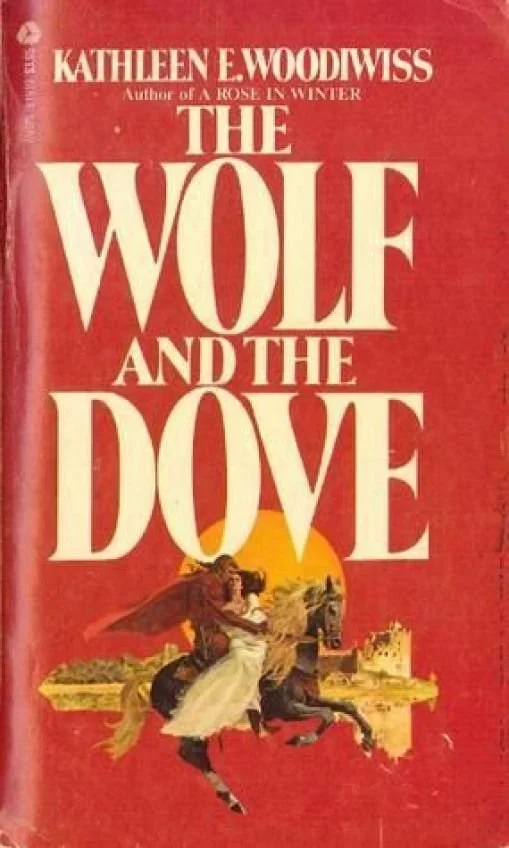

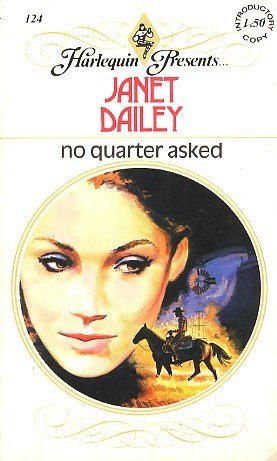




Thinking about those early days, it actually brought me such a sense of joy, and I was so grateful that I lived through it. And I was so grateful that I got to have this career. I still had this career where most of the people I know, my contemporaries, they hate their jobs, they're now retiring. They're kind of not knowing what to do. They're having bad retirements because they were like, all structured, going to job, coming home, you know, and I've been so darn lucky, because I literally would get up, make a cup of coffee, walk to my desk, start creating with all these people. And with all my animals, you know, my family, just, just home. I'm a real homebody too. And I just loved it. And then all I ever wanted and it's funny because people always say, “Do you think you're a big success?” All I ever wanted was to give to readers, what writers gave to me. That was it, and I got that.
Jennifer Prokop 0:58 / #
That was the voice of Elda Minger.
Sarah MacLean 1:01 / #
Author of Untamed Heart, which is known in romance history as the first contemporary romance to feature condom use on the page.
Jennifer Prokop 1:10 / #
Elda was edited by Vivian Stephens. She tells the story of working with Vivian and also Carolyn Nichols, another storied romance editor, and amazing, amazing perspective on Woodiwiss, on the early days of romance and what it was like to be a part of a company of women, for which she is still really proud to be part of.
Sarah MacLean 1:38 / #
This one is pretty perfect. Welcome to Fated Mates, everyone. I'm Sarah MacLean. I read romances, and I write them.
Jennifer Prokop 1:46 / #
And I'm Jennifer Prokop, a romance reader and editor. Off we go.
Elda Minger 1:55 / #
I grew up in a house of readers, all teachers, my mom, my dad, my grandmother. I knew how to read before I went to school. Books were always the most coveted, like Christmas was like ripping open, and it wasn't socks, it wasn't underwear, it wasn't toys. It was books. And I mean, I remember, I remember, my mother's family was so funny. They were like, "You let your kids read comic books?" My dad was like, "I don't care what they're reading so long as they're reading, you know?"
Elda Minger 2:23 / #
And we just read and read and talked books, and my great aunt and great uncle, they had a limited income. So they'd search all year for used books, that was our interest and tie them with twine. And I remember I had a girlfriend who said, "What a horrible gift. Those books kind of smell, and they didn't even wrap them with paper." And I remember thinking, "You just don't get it. You just don't get it, and that's cool."
Jennifer Prokop 2:46 / #
That's amazing.
Elda Minger 2:47 / #
But I always, you know, we had tons of books in the house. I remember when we lived in Illinois, a plumber came and he looked around, he goes, "You read all these books?" to my dad. And my dad said, "Nah, they're just really good insulation." You know against the snow, but I mean, you know, I just always loved the written word. I always loved books. And I never thought about being an author because my dad wrote three books, and my uncle wrote a biography of Mozart, and my mother published some poetry, but I always saw my dad when he would get like rejection letters, and he'd get so depressed, and he'd have a couple of drinks like, ah shit, this is awful, you know? And I just thought, "I never want to be that person." And so the biggest laugh in my family was when I started writing books, because it was, you know, a lot of us became teachers and I did do a lot of teaching of writing, but I never really thought about becoming a writer and then romance, the way it came to me, because I read Harlequins in high school, and I remember going to Reeves drugstore on Main Street in Antioch, town of 1200 people, right on the Wisconsin border, Illinois to Wisconsin.
Jennifer Prokop 3:53 / #
I'm in Chicago. I know where that is.
Elda Minger 3:55 / #
Okay, it's Chain O' Lakes, that big resort, you know. So there was a big metal spinner, and there was this book there, and I looked at it, it was something in Italy, and I thought that looks good, and I took it home, and I read it, I think I was like 12. And I was just like mesmerized. And of course, it was all like, "his taut thighs and his glowering" and you know, and I didn't know what half of what was going on, but it was a great story. And I went back and I said to the lady, I said, "Are there more of these?" And she said, "Well, there's four every month." And I said, "Oh boy!" And she goes, "I can save them for you." And she said, "I'll put them in a brown paper bag." And I was like, "Why?" And she goes, "Well, I'll put them in a brown paper bag."
Sarah MacLean 4:32 / #
(laughing) You'll understand when you get older!
Elda Minger 4:36 / #
Right away, and it was like, okay, somehow I'm not supposed to be reading these or something, you know, something's a little forbidden. So I kept them hidden in my closet, but I read Harlequins all through high school, and it was, I loved them! And you know, like Violet Winspear and Anne Mather. All the older names.
Jennifer Prokop 4:54 / #
Carole Mortimer was my favorite of those Presents authors.
Elda Minger 4:56 / #
Oh yeah. Oh God, she was great! And, and it was so funny because I remember I had a big box in my closet, I kept them hidden, and it was one of the reasons when I was in college I, when my dad said, he taught at Loyola University, so he said, "Hey, it'd be cheaper for you to go to Rome for a year than for me to pay for your college," because kids, you know, the professor's kids get free. And I said, "Italy, sign me up!" You know, I want to go to England. I want to go to all the places I'd read about in Harlequins. So it was part of my international travel. And so then, you know, my dad was really, there was my older sister, me and my little brother. My dad was great. As far as equality for women, like we sat around the dinner table, and it was like the rose and the thorn, best thing today, worst thing today, I always felt like I could speak up and have opinions and talk to people. And I'd go to friends houses, and this was the Midwest in the '70s, and I remember going to a dinner where the wife and the two girls did not talk at all.
Elda Minger 4:58 / #
And the father and the brothers talked and it took me a second to realize I wasn't supposed to talk. And then we all got up and cleared the table, and they sat and talked and the father lit a cigarette, and I was like, this was like being on Mars, because my dad would be like, "Okay, what'd you kids learn today? Anything funny? What's going on? You know, tell me what your friends are up to." So I always felt I could always speak up and not be a loud mouth, but just be articulate and have opinions. So I went away to school, I went to Kenyon College, got a degree in English Lit, and it had only been open to women for about five years, six years. And all this does tie into the condom scene, it really does. And I remember a professor who was a real bastard. And he said, "Women cannot write novels. Women cannot write novels." And this one woman in the front she was like, "Anne Bradstreet." And he said, "Poetry and a kind of an anomaly." And somebody else said, "Emily Brontë." And he literally said, "She was insane." This woman was insane. Wuthering Heights. And I'm sitting in the back row thinking, "What's wrong with this guy?" And I got really mad, and I screamed out, "Jane Austen!" And there's this dead silence, and you could see cognitive dissonance, like his face got real red, and he was, because how can you say, "This is a crappy writer," when the Prince Regent said, "The most perfect novel in the English language." Right? And so he's, "Ah, ah, ah." And he just couldn't, and it was great because it was just people were like, "Good for you." Just, "Jane Austen!" You know, so I took my English degree, and there was like women's studies classes back then. And there were women authors, like we were a separate category. We were not writers, we were women writers. And so it was really weird because I never read romance. You know in like '72, The Flame and the Flower came out. I was in college. So I knew nothing of historicals. I knew Harlequins, I knew category, I didn't know historicals.
Jennifer Prokop 7:53 / #
So did you read The Flame in the Flower? Was that?
Elda Minger 7:56 / #
Well, not in college. I mean I was so busy reading like all the male authors and all their point of view and everything, and not that they're bad, but it was like, let's have a little of everybody, you know. And so I read them in Italy. I found the Mills and Boons, that little British bookstore that was there. I came home, now I'd finished school and the worst part, worst part of my life, my dad died three months before I finished college.
Elda Minger 8:18 / #
So I was reeling, and I barely, I mean, my professor was great because we had to do orals, we had to, like stand up and really say we knew our stuff. And I remember standing there thinking, "I'm gonna flunk! I, my brain is like, I'm screwed." And he looked at me and said, "Miss Minger." And I said, "Yes." And he said, "Shakespeare." And I thought, "Thank you, God, because I know Shakespeare." I mean he knew that I loved and knew, so I managed to pass. So my sister and I both got a job at Kroch's and Brentano's in Libertyville, outside Chicago.
Sarah MacLean 8:47 / #
What is that?
Elda Minger 8:47 / #
It was a bookstore chain, a really nice bookstore chain, almost like, like Barnes and Noble, like gifts and things, but mostly books. And it was right outside Chicago, and Chicago, their readers, Phil Donahue, always advertised books. It was before Oprah, but I mean, talk shows would do books and you'd fix the table up front with that book, and all the women, the women were the great readers, they'd come in and buy the book. So I remember about three weeks after I got there to work there, our manager, Karen, who was just great, best boss I ever had. She said, "We are having a phenomenon. We need to talk after work. 15 minutes. You need to be prepared." So we go in back and there are all these crates marked "Shanna." (laughter) She said, "We are going to be selling this book. It's going to be very different." Than of course this was the killer. She goes, "Elda, you're the best cashier, you're going on the front register. You will be there all day. You will signal if you need a bathroom break."
Elda Minger 9:41 / #
"You will get a full lunch break, but we will not even sticker these books. You are going to memorize the SKU, it will be taped up on the register. And you will be like, your fingers will be flying, and you will be selling these books." And I was listening, but it wasn't that I was a smartass, but I was like, "Yeah, yeah. How bad can it be?" Okay.
Elda Minger 9:59 / #
We get there, we're there at 7:30 / # in the morning, by eight o'clock, it's like a rock concert.
Sarah MacLean 10:07 / #
(gasps) Wait, was she there? Or was it just the book?
Elda Minger 10:10 / #
No, no, no. This was just selling Shanna. And we had unpacked the book and Karen said, "Don't even shelve it. Stack it on your counter. Just stack it up." We're stacking it on the tables, and it's like, we literally had clerks, who their whole job was to give the book out, just give the book out. Here's Shanna. Here's Shanna. I was almost scared when they opened the door because it was like (she makes a whizzing sound) and this stampede of women came in and they were so alive and so excited in their eyes and their energy. And I was like, "What is this? What is this?" Now remember I'm here screaming, "Jane Austen. Come on women writers!" I have no idea what this is. So about 11 o'clock before my lunch break, I took a copy. I knew we were going to run out, and I hid it like under the counter. And on my lunch break I went back and put it in my locker because I thought, "I'm buying this, whatever this is. I don't know what it is, but it's something. It's something."
Sarah MacLean 10:59 / #
Had she described it to you?
Elda Minger 11:04 / #
She said it was a historical romance. And I was like, "What's that?" I've never heard of any of that because I was like in a bubble in Gambier, Ohio, tiny little college town. You know, there was barely a drugstore in Mount Vernon. And so where did you get books? You had your college bookstore and they sure didn't carry historical romance. So I go home, we make dinner. I crack open this book, and oh my god, I cannot stop reading. And I'm reading and I'm reading and I'm like, "I love this woman. She's not a nice girl. She's not a perfect woman. She's not a paragon of virtue. She's not the angel of the house. She's real. She doesn't want to get married. She's gonna pull a fast one over on her dad, which I was very, that was one of my specialties." And I was like, "Oh my God!" So I read and I probably got about half of it done and I fell asleep at four in the morning, dragged my ass to work, sold another whole huge day of Shannas. We were shipping them in from Chicago, because we'd run out. Unbelievable. I have never, I've never in my life seen a book sell like Shanna. It was unbelievable.
Sarah MacLean 12:03 / #
Well, just for our listeners, to give people a little bit of a frame of reference. Shanna is by Kathleen Woodiwiss, who wrote The Flame and the Flower. It was published in 1977, which is five years after The Flame and the Flower. So at this point, everybody who listens to the podcast knows that The Flame and the Flower sold two million copies in the first year. So Kathleen Woodiwiss is a rock star at this point.
Elda Minger 12:30 / #
She's a phenomenon.
Sarah MacLean 12:31 / #
Millions and millions of women and men who are waiting for that book to come out.
Elda Minger 12:37 / #
Yeah, it's a phenomenon. And so I finished the book, and I said to my friend, Janet, who worked at the bookstore, I said, "Are there more like this?" And she goes, "Oh, please!" She leads me down to the whole big bookshelf and she goes, "Get this, this, this." So number two I read The Wolf and the Dove. Loved it. Number three Sweet Savage Love. Loved it. I mean just, I went through everything. I went through Rosemary Rogers and Kathleen Woodiwiss, and Shirley Busbee, and Laurie McBain and I, oh my God, just on and on and on. And I'm like, "What is this?" I just fell in love. And I had a story in the back of my head. And this is really interesting because I was at the Writers Guild when Stephen Gaghan talked about Traffic, and how he wrote the movie script. And he is from St. Louis, and he said, "Three weeks after my father died, I started writing." And he said, "I don't know why. But that was it." And I was in the front row and I just stopped writing, I took little notes for friends, but I was like, "Oh my God, three weeks after my father died, I started writing the story that was in my head." And this is the weird part, it was a historical romance. And I didn't even know the genre. I did not know the genre. So I thought, "That's interesting." And he said, "I think it was my desperate attempt to control what I couldn't control." And I thought, "Yep. Bingo! You nailed me. Doesn't take Freud to figure that one out." So I'm writing this historical romance, I'm reading them like crazy. I end up driving to LA, because we ended up, after my dad died, we moved back to the west coast because all the rest of our family was there. And so Harlequin used to have an office on Sunset Boulevard. And the woman who ran it was named Evelyn Grippo. And she would have these things where she'd set up chairs and have cookies and coffee and talk about romance. And she'd say, "I'm always looking for writers." And I didn't think about writing a Harlequin then because I was writing my historical. So I finished it. And then there was a thing called the California Writers Conference. And Florence Feiler, a very ancient older lady, was there, an agent. And my, my claim to fame with her was that she had gotten the manuscripts beforehand, and she had read my first historical and when I came in to meet her, I was so nervous that I hyperventilated. Then she had to give me a bag and I was like breathing into the bag (makes frantic deep breathing noises.) And she was like, "Calm down, honey, calm down." And I'm like (makes frantic deep breathing noises again.) And she goes, "First of all, you can write. So that's the good news." She said, "Secondly, here's the bad news. The historical market is dead. Do you know what a Harlequin is?" And I said, "I do! I love them!" And she goes, "Good. Tonight at the dinner, go up to Fred Kerner and tell him I told you to tell him to send you a box of Harlequins." And I said, "Okay." So Fred Kerner was this very flamboyant guy at Harlequin who wore a white suit and they did those parties for women readers. This is like ancient history, but he was a nice guy. And I went up to him and I said, "Florence Feiler asked me to ask you to send me a box of Harlequins." He goes, he took a business card, "Write down your address, honey. Okay. It will be to you." So I told my mom and my mom was like, "Hmm." Because my mother was like a Capricorn and a very business oriented woman. So three weeks later to the day, this big box comes crashing down on my apartment step, like a huge 46 paperback count box, filled with Romance and Presents and my mother was like, "I'll be damned." The first one I picked up Janet Daily, No Quarter Asked. So I'm reading and I'm going and see I came from a theater background, so I'm like, "God, this is like a really intense one act play. This is harder than it looks."
Sarah MacLean 15:59 / #
Oh, it's so interesting that you frame it that way.
Elda Minger 16:02 / #
That was the way my mind worked, and I began breaking it down and breaking it down. And I was taking a writing class with Marilyn Lowery who was a great influence on me. You could not get in her Saturday morning class unless you had your 10 pages, no ifs, ands, or buts. So that really taught me discipline. But anyway, so I read them all and I wrote one and I sent it to London. And I remember I was so upset. I was like puking practically because I was so nervous. And I remember my brother said, "Why do you have to mail it? I'll mail it." I was like, "Good. Go do it. I can't do it. I'm too scared." So I got a little thin letter from England, from Frances Whitehead that said, "Dear Miss Minger, Though your story was entertaining, it is not suitable for our list, and we already have our American writer. But thank you so much for considering -"
Sarah MacLean 16:45 / #
Our American writer who is Janet Dailey.
Elda Minger 16:47 / #
Janet Dailey. And so I remember thinking, "Alright, our list. What does that mean?"
Sarah MacLean 16:50 / #
Wait, we heard this. Did we hear this story?
Jennifer Prokop 16:53 / #
Nora Roberts is famous for saying that.
Elda Minger 16:56 / #
Everybody got this letter. Everybody got this letter. Not right for your list. And I was like, "Not right for my list."
Sarah MacLean 17:03 / #
We have our American writer.
Elda Minger 17:04 / #
Well my brother was like, "I think it means they don't want it." And I was like, "Yeah, I think you're right." So I kept writing and then Orange County -
Sarah MacLean 17:10 / #
But if you have to be in a club, Elda, you want to be in a club with Nora Roberts and Jayne Ann Krentz.
Elda Minger 17:15 / #
Oh yeah. Oh my God. Exactly. Exactly. And so Orange County was exploding at that point, because I read a book about romance, and it was interesting because Vivian was a pivotal part of it. It was like these men did not know what they had. They did not know what they had. But they knew they wanted more of it because it was making money. And so all this exploded and editors were literally, every month major editors from New York were flying out to LAX. Now down in Orange County they're like, "We don't want to drive up into LA, but hey El, you live in LA. Can you go to LAX and pick up the editors?" And they were like, "Don't you dare pick their brains. You're like a chauffeur. We'll give you gas money, but you just drive them down."
Sarah MacLean 17:55 / #
Well you seem like the kind of person who wouldn't be chatty at all.
Elda Minger 17:59 / #
Exactly. But the funniest part was, I remember I picked up Jacqui Bianchi, who I adored, she was with Mills and Boon. And so she was like, "Okay, fire away!" With that little British accent. She's like, "Fire away. Ask me anything." And I said, "Well, I'm not supposed to ask you anything." And she was like, "Oh, bollocks. Just ask me whatever you want. You know, just, we're in the car for an hour. Let's go." And she was great. And so these editors would come and they would, they had like the tip sheets, and they had all this stuff. I mean they had, they were so well organized. It was like, "Here's what we want. Here's what we need." It was so exciting, because everybody and their mother wanted romance, and everybody was trying to write it. And like Orange County had up to three, four hundred members at a time. And they were wonderful presentations, like the morning would be a local author, but the afternoon would always be like an editor, or an agent, and they were great.
Sarah MacLean 18:46 / #
We should say that the Orange County Chapter of RWA, until you know recently, has been one of the most vibrant chapters of RWA from the very start.
Elda Minger 18:56 / #
Yeah, it is THE chapter. I think Texas, Texas is important. California. I mean not that the others aren't, but like they're the major chapters. But it was just an amazing time. And so I did get an agent. And then it was funny because I wrote one romance. And I remember my agent said, "The next book," she said, "I'll send this one out, but the next one, try to think of something really interesting, like unusual, that'll set you apart." So my sister at the time was training exotic animals, and I thought that's pretty interesting.
Sarah MacLean 18:57 / #
That's a perfect Harlequin job.
Elda Minger 19:05 / #
Nobody had done that, and so I got information from her, and I wrote Untamed Heart. And so I was working at UCLA managing Ackerman Union and it was a really difficult job because professors would make students buy their $60 textbooks that were just like good for doorstops and much not else. And we'd be shipping them back and forth to the publishers constantly, like shipping them over, then shipping them back. It was like the biggest waste of postage ever. So I was in charge of that, and I'm back there in my my camouflage pants and my gray t-shirt, my hair up in a bun with a pencil through, my army boots, you know, and I'm shipping these boxes back. And it was really funny because I remember my agent called and she said, "Okay, Silhouette turned it down." And I said, "Okay, what was wrong with it? What do I need to improve?" And she goes, "No. Elda, I don't want to read you this letter." And I said, "No, no, I'm, you know, I can learn from criticism. I want you to tell me what's wrong with the book." And she was like, "I really don't want to." And I began to get suspicious, and I said, "Read it to me." And she said, "Well, okay. "I hate this book.""
Elda Minger 20:32 / #
"I hate Hollywood people. I hate the industry."
Sarah MacLean 20:36 / #
(gasps) Please.
Elda Minger 20:36 / #
"This woman needs, this woman needs to stop. She should not consider a career as a writer." And I'm like, I'm like on the phone, before cellphones, gutted. Tears coming into my eyes, and I'm saying, "Okay, okay. Don't send it out. Don't send it out."
Sarah MacLean 20:51 / #
This is Untamed Heart that we're talking about, because Untamed Heart is about a Hollywood star.
Elda Minger 20:57 / #
Yeah. Yeah. It's about a director directing a movie in Puerto Rico. She's the animal trainer, and it was just like, "I hate these people. I hate Hollywood. It's a horrible, you know, tell her to stop." And see that was the part, I mean it's fine if you say, "We don't really care for Hollywood books. It's not our cup of tea." But tell her, "Stop the career." And I was like, "She's got to know. She's an editor."
Sarah MacLean 21:17 / #
Oh god. I hope you one day walked right up to her and said, "Look at me. I'm amazing!" (laughs)
Elda Minger 21:23 / #
Later on at this conference, this woman said to me, "Why have you never chosen to write for Silhouette?" And I thought, "Well if you only knew. If you only knew."
Sarah MacLean 21:31 / #
You know, we've heard, nobody will name this editor, and I'm not going to ask you to, but we've heard about this Silhouette editor before.
Elda Minger 21:37 / #
Yeah. Yeah. Bad letters.
Sarah MacLean 21:39 / #
I assume it's the same Silhouette editor that we've heard from other people.
Sarah MacLean 21:43 / #
So, you know.
Elda Minger 21:46 / #
Oh, yeah. And so I begged my agent. I said, "Please don't send it out. I'll give you another book. Please don't send this out." I was like crying on the phone, people at work, I mean it was like back in the bowels of the receiving and the docks and the trucks and all, but still, a couple of my students were looking at me like, "What's going on?" And she goes, "Well, I've already sent it out. Harlequin American Romance is looking for authors, and I sent it to Vivian Stephens." And I was so pathetic. I was like, "Get it back! Please get it back!" And she's like, "Oh, honey, one editor likes it, one editor doesn't." So literally two days later, she calls me at work, "You just sold your first book." And I'm like, "What?" This is like total cognitive dissonance.
Jennifer Prokop 22:25 / #
Like whiplash.
Elda Minger 22:25 / #
Cognitive dissonance. "What? The same book?" And she goes, "Yeah. Yeah. Vivian Stephens said, "Oh my God, I've just found my action adventure writer."
Sarah MacLean 22:25 / #
(gasps) Yay!
Elda Minger 22:27 / #
And I went -
Jennifer Prokop 22:43 / #
That's amazing.
Elda Minger 22:38 / #
And I hung up the phone, and at the time, it was a $6,000 advance, and that was close to what I made in a year at that time. And I thought, "I'm quitting my job, and I'm going to write the next book. I'm going to give it 100%." So I went to my boss to quit, to basically give her two weeks notice or a month's notice, and she goes, "Oh to hell with your notice." And she goes, "Shut that door. I'm ordering a pizza. How the hell did you sell a book? I want to sell a book." It's like every, every you know, we're all book people working in bookstores. We all love to read. Within the next two weeks, I was working there before I left, almost everyone in every department came up to me and said, "Tell me how you did this. How did you do this? How did you sell this book?" So it was hilarious, but Vivian was great.
Jennifer Prokop 23:20 / #
Yeah, tell us about working with Vivian.
Elda Minger 23:24 / #
She was so far ahead of her time, she and Carolyn Nichols both, and I think, they again, exuded that energy. They had that, just that magnetism. They were, they were almost like little rock stars in their own right, because like an editor would get up and talk about stuff, and you'd be kind of like, "Yeah, yeah, yeah." Carolyn and Vivian, they'd command the stage, they'd say, "This is what I want." They were absolutely 100% sure in what they were doing and what they wanted.
Jennifer Prokop 23:48 / #
At this time Carolyn was working for her Harlequin. Later, so for everyone who's listening, later, she goes on to essentially be the founding editor of Loveswept.
Jennifer Prokop 23:59 / #
At this point, she was a Harlequin editor.
Elda Minger 24:01 / #
I don't know, I don't remember Carolyn at Harlequin. But Vivian, I was working with Vivian, and she was starting this new line, American Romance. She had come to talk to us about it, and she said, "The hero can be 20 pounds overweight, you know, that they can be a little balding. She can be realistic, you know, make them real people." And I really kind of liked the concept. And so I remember she said to me, "I want the books to be you. You know, I want you to write what you want to write. I want it to be your voice, your ideas, your imagination, just go wild. I will, you know, tell me your idea and nothing is too crazy. I'll help you shape it, but just go. You know, just go." And she liked Untamed Heart a lot, and I remember the reason I put in the condom, and this is funny 'cause I hadn't thought about this in years, this will sound like the Stone Age to you guys because you're much younger. I grew up in a town, I went to high school in a town of 1200 people. It was still very much a, I would call it a boy's town, like lots of hunting, fishing, ice fishing, skiing, sledding. Women were, you know, married young, had their kids and kind of disappeared is the only way I can put it. They disappeared. And marriage, I remember Jessie Bernard once said, a sociologist, she said, "Marriage is a great deal for men and children, but not so great for women." And I remember reading that and thinking, "Yep." When women did not have access to birth control, and biologically, the sex drive is strong. I had numerous friends who got pregnant, and back in the day, there was no abortion. If you could find a doctor you could go, you could get someone to do the job, and then if you started bleeding out, you went to the emergency room. And I had two friends, older sisters, they told me later on, it was like the most terrifying experience of their lives, which is why abortion must always be safe and legal. But you had two choices. And I had two girlfriends in high school who, their beginning of their senior year or summer of their junior year, whatever, they went to visit their aunt, and they came back and they looked gutted. And I never forgot the look in their eyes, like dead eyes, because they had had their baby and given it up for adoption, because that was the option or you cornered the guy and married him, and if he thought he was trapped, it was not a good marriage, and it usually ended up in divorce. So birth control back then, I worked at a drugstore and the condoms were in a glass case behind the pharmaceutical counter. You could only buy them if you were married. This is how bad things were. You know, when I look back, it's like God, it was like the Stone Age. But the thing was, I couldn't in good faith, and all the romances, the historicals of course, they would have sex and then she'd be pregnant and there'd be a big brouhaha, but in the end he would love the baby. But with a contemporary I thought, "I can't do this. I can't do this." And I had interesting parents because my mother is from Puerto Rico, staunch Roman Catholic, could not have the sex talk with me. So my dad was like, "This is very embarrassing, but we're going to have the sex talk, and I don't think I can look at you while we do this, but you need to be protected." And I remember he told me, "Teenage boys will do anything. They would do a knothole in a plank. You have to understand this about male nature. And he said, "They will tell you, "I love you." They will promise you the moon and you are a very romantic girl, and you will have sex with him. And Monday morning he will be telling all his friends at school and you will be brokenhearted." And that did happen to one of my girlfriends, where she gave it up to a guy, and she was the town pump for the last two years of high school, and she never had a boyfriend because she didn't dare. And I remember thinking, "God, that's awful!" But you know, my dad taught college and he said, "Many a woman's college career was derailed because some guy said, "I love you. I'll be with you forever." And she ended up raising the baby with her and her mom and dropping out of school. And he said, "I don't want that for you. I don't know how more plainly to put it." And I was like, "Got it, Dad. Got it." Because he was pretty, I mean he said, "I don't expect you to be a virgin when you're married. It's different times, but pick a man who likes women." And I was at 16, so stupid, 14, "Daddy, all men like women." And he's like, "No, they don't. Pick a man who really does like and treasure women." So when I approached Untamed Heart, I thought, "Okay, I've got to somehow put birth control into it." And I said to Vivian, "Can I do that?" And she said, "If you can figure out a way to make it work, I'm all for it." She was like, what Vivian gave us more than anything was she trusted us as writers. She trusted our skill. I mean I was still a pretty raw beginner, but she gave me wings. You know she trusted me. She trusted me. She said, "You can do it." She gave you confidence.
Sarah MacLean 28:47 / #
I just want to say, I want to interrupt, because I re-read Untamed Heart this week, and I marked the page because I think it's important. I mean a lot of people, I bought a copy on eBay so that I could read it.
Elda Minger 29:04 / #
I have my copy.
Sarah MacLean 29:05 / #
There is this, I mean, first of all the hero, Ryan, is so, that first scene. Jen, I don't think you've read this book, and let me tell you, you're going to love it because they're in a sleeping bag in the first scene.
Jennifer Prokop 29:09 / #
Oh, I love that.
Sarah MacLean 29:20 / #
I mean, that's Jen’s kink.
Elda Minger 29:24 / #
(Laughing) I love it!
Sarah MacLean 29:25 / #
So they're in a sleeping bag, and it's very romantic, and he doesn't expect them to be in a sleeping bag together, and he says, “I can't, we can't have…” He brings her to orgasm, and then she's like, “What about you?” And he's like, “We can't have sex because I can't protect you.” And he says it just like that, “I can't keep you safe.” And it is great! And then when they finally do do it, it's so well done. I mean you basically begin what we have all done in contemporaries, where you know, the drawer opens and closes, and he turns away, and then he turns back and then they do it.
Jennifer Prokop 30:12 / #
Right.
Sarah MacLean 30:12 / #
And it's really, I mean you put it, you put it on page! So, Elda, I want to talk, so first of all, I mean Vivian was absolutely right to trust you. You did a magnificent job. It's so romantic and beautiful, and I want to ask, because I know that you also wrote, you ended up writing a piece about condom usage for RWA magazine, and I'm curious if you could talk a little bit about the response to it, because I know not every writer was super excited to put safe sex on page.
Elda Minger 30:50 / #
Well some women said, “It completely destroys the romantic fantasy.” And then a friend of mine quipped -
Sarah MacLean 30:56 / #
It’s so romantic.
Elda Minger 30:56 / #
Well the thing that was funny, a friend of mine quipped and said, “No, the real fantasy is that the guy would offer the protection.” And I was like, “Now, now, let's not go there, you know, let's not do that.” I just, I think I was lucky in a weird kind of way, because my mother being from the Caribbean, she had a different take on sex, she was very prudish and couldn't give me the talk, because she could not imagine me having sex in high school or even early college. But at the same time she was like, “It is a universal experience when you're with the right man. It's the most wonderful feeling in the world. It's fabulous. Don't be ashamed. Don't be, you know, don't have any shame or trepidation or fear. It's a wonderful thing. It gives you babies, you know, it's wonderful.” And so I think in some ways, I had a, a healthier attitude towards sex, because I had a lot of female friends who were like, and it really made me sad. It was like, “I can't even touch myself down there. It's so disgusting.” And I'm like, “What do you mean? What do you mean? That's you. That's you.” And then of course, Our Bodies Ourselves, and that was blowing up at the same time. And so we were all kind of learning at the same time, but I felt, I just kept saying, “I think it's intensely romantic if a man protects a woman, and if he looks out for her. It's intensely romantic and intensely beautiful, you know? And I never ever thought, it's so funny, and I'll tell you something you guys did for me. I wasn't going to put up my first four books on ebook, my first four Americans. And after I got your letter, I sat down and I thought, “No, I need to and I'm not going to.” Because people said, “Change and put in cell phones, make them different.” And I thought, “No.” I was going to call them “Blast from the Past”. And then I thought, “No, they're so badly written. I don't know if I want to put them up.”
Sarah MacLean 30:59 / #
They’re not badly written. They’re so romantic.
Elda Minger 31:03 / #
But then I thought, “Well, they're part of history.” I re-read Untamed Heart, and it was like, “God, Ryan's kind of a, God he's forceful!” But then I realized like halfway through the book he says, “I love you. It's different for me. This is different for me. Trust me and all the bullshit in the tabloids, you know.” So it was a very weird experience for me. And I thought, “No, I'm going to put these books up.” So you guys are responsible for that, the first four books.
Sarah MacLean 33:00 / #
I’m so glad to hear that!
Jennifer Prokop 33:01 / #
That’s amazing.
Sarah MacLean 33:02 / #
So they're coming soon.
Elda Minger 33:03 / #
Yeah, they're coming.
Sarah MacLean 33:05 / #
Oh, I'm so glad.
Elda Minger 33:06 / #
I will get Untamed Heart up really soon. The other thing about the back alley stuff was that a lot of girl’s first time out, couldn't have a baby, got abortions and became sterile. And that's a terrible thing for a woman to have to go through. They got infections. They got sterile. It's so unnecessary. And you know, people think like, I think a lot of people think it's like, "Well have an abortion! Have two!" And it's not like that. It's not that simple a thing because my girlfriend's older sister, she had three children, they were struggling, they could barely feed the third one. They were using birth control, she got pregnant and she said "It was most horrible decision of her life, because she's already a mother." She knows, you know, but she knew that they wouldn't survive with another child. And you know life can be very grim and very tough. And so you know, people who say women who have abortions, yeah, I'm sure they're women who use it as birth control. There are irresponsible women. Sure. But I think the vast majority, it's a really hard decision to make and it's nothing they take lightly, or think is just a walk in the park. You know it's not, it's not an easy thing. And so to me, birth control, have it there. You know, a young girl could read, I felt like a young girl could read Untamed Heart, the way I read those Harlequins when I was in high school. And she would be, when he says, "We're not protected." She would know what that, I'm sure she would figure out that's birth control, "Wow, that's what a hero does." And I've had women come up to me, like younger women and say, "I never knew men could be that way with women. When I read your books, I never knew men could care that much for women." And I'm like, "Oh, my God!" So you know a lot of authors go, "Eh, we're not curing cancer." But we are affecting people, we are affecting people who read our books.
Sarah MacLean 34:51 / #
You know that reader response, I never knew that this was a thing I could expect when we talk about expectations and romance. That's what we're talking about, is it shouldn't be a high expectation, an unrealistic expectation and should be -
Sarah MacLean 35:09 / #
An expectation.
Elda Minger 35:11 / #
Exactly. Exactly.
Jennifer Prokop 35:13 / #
It's funny, Elda, because I'm 47 and a lot of the stories you told about high school and no, this isn't about me, but I'm going to tell a story about my mom. And when I was in high school, I went to a Catholic high school, and there were a lot of girls who were pregnant, who got pregnant and like you, some of them gave the baby up for adoption. Some of them got married really young, and I will never forget this is a moment where, you have that moment where you're like, "This was when my parents did the best job parenting." So there was a girl in my neighborhood who was, I was a sophomore in high school and this girl was a senior. She was my older brother's age. And she was walking by, my mom and I were in our driveway for some reason, this girl walked by with her baby in a stroller, and my mom looked at me and she was like, "Look, I don't ever want that to be you. So if you're going to have sex, I want you to know I will take you to the doctor and you can go on birth control." And then there was this long pause and she said, "Okay, I'm not going to do it, but one of my friends will." (laughter)
Elda Minger 36:20 / #
What a great mom! What a great mom!
Jennifer Prokop 36:23 / #
I will never forget that moment, but this was, you know, this was almost 1990 when we would have had this conversation.
Elda Minger 36:31 / #
And we're still not protecting our girls. We are still not protecting our girls, because you look at rapes on college campuses. You look at girls going, oh, a great dad story. My dad was exceptional. I never knew it until I began talking to other women. When I went away to school, and again, because he was a college professor, he saw all this. He said, "When you go to a frat party, don't drink the punch." And I'm like, "What do you mean? Like Hairy Buffalo where they put all the alcohol, all the different bottles, right?" And he goes, "You don't know what's in it." And he said, "What you do is you ask for a can of Coke, and you watch them open it up. And honey, when you go to the bathroom, you take that Coke can with you." And I'm like, "Daddy, you are like, I'm going to be, I'm never going to be married. I'm going to be like a widow. I'm going to be like that maiden aunt up in the garret the way that you're doing my love life, you know." And he said, "Trust me on this." So my first frat party at Kenyon, I got, I remembered my dad, I got my Coke. Didn't take it to the bathroom. So I'm peeing in the bathroom, and I'm thinking, "I should have taken my Coke, but what the heck." So I come back and the guy hands it to me and he says, "Here you go." And I just had this weird, I always follow my gut, just had this weird feeling, and I said, "Why don't you take a sip first?" And he hesitated and I was like, "You bastard." And I went and I opened up another can of Coke, because you know, date rape drugs, maybe they weren't date rape, like the actual drug, but you know they could put stuff in to make you pass out or whatever. And I remember I cracked open another Coke, and I was just looking him like thinking, and then all of a sudden I thought, "Why am I here? Why am I here?" And I left and I never went to another frat party. But it's like, I have friends who, oh God, the stories I could tell you. And the two pregnancies that affected me the most were a girlfriend I had, two years ahead of me, senior year got pregnant. Her father made the guy marry her and they rented a house across the street from us, and during the summer, my bedroom window was open. And I was reading my Harlequins and I could hear them fighting, and they had been so in love. And they were fighting because they had no money. And her dad was paying for stuff. And her husband was like, "How do you think it makes me feel that your dad's paying for everything?" And you know, just endless fights. And I remember thinking, "This is so sad." And they did end up getting divorced. And the other one was my best friend from high school. She got pregnant, and her mom was like, "That's it. You're out." So she walked down to our house and looked at my mom. And I remember my mom said, "Elda, you need to leave the room, just for now." So I snuck over to the stairway and I sat in the stairway and I listened. And my girlfriend told my mom, "I'm pregnant." And my mother said, "Your mother loves you. She'll come around. Until then you'll stay here with us." And I still remember my dad grading papers, walking around, this, this was the era, a Lucky Strike hanging out of his mouth and rocking the baby because he wouldn't sleep. You know, but it's like, both lives derailed and not that children aren't wonderful, but the ability to time your family, and to be sure that the man is marrying you for the right reasons, you know what I mean? Like you're getting off to a good start. There are people who make it work and God bless them, but you know, a lot of times it doesn't. So it was so funny, I had never thought of this, but I just remember having a, it was like an ethical dilemma. I couldn't write a love scene where they just did it, and then nothing happened to her or she got pregnant, and it all worked out, you know, even though that's a huge romance trope, but I couldn't do it, you know?
Sarah MacLean 37:31 / #
Have you ever written a secret baby book?
Elda Minger 39:54 / #
Oh, yes. Oh, yes. In fact, I wrote, I, you know, I always challenged myself to do something, like Vivian would say like, "You always do these things that are so far out." I did Bachelor Mother and that was, I think it was the first book where a woman asked a man to get her pregnant, because she had a, I read a column in Dear Meg in the Star, and she said, "Dear Meg, I've always known I wanted to be a mother. I have problems with my ovaries. I have six months to get pregnant, and no boyfriend in sight. I'm thinking of asking my best friend to get me pregnant. What do you think?" And Dear Meg was like a staunch conservative and she said, "Do it, honey. Do it. You want that baby, you go for it." And I thought, "There's a book here." So that was one of my most popular Americans because she asked him to get her pregnant -
Sarah MacLean 40:41 / #
I can't wait to read that.
Elda Minger 40:42 / #
And then they fall in love. They fall in love. And then I actually did one for Temptation called Rescue Me. And the review I got on Amazon said, "Elda Minger has written a romance with absolutely no conflict and it works. And I don't know how she did it, but it works." And so I, you know, I like challenging myself. I did Daddy's Little Dividend. I did every other chapter in the past, like, present, past, present past, and then it all tied up at the end, and my editor called and said, "You know you didn't tell me if you were going to do this much. You didn't tell me you were going to do this much flashback." And I said, "Well, you know, what the heck." And she said, "But it does work, so we'll go ahead." And one of the ways I did my career, two things I did that were really crucial that I recommend to all authors. One thing I did was I always turned in full manuscripts, because I saw what happened to romance writers when they did a proposal and then they turned in, the book was sold, so the publisher had you. And then basically they had to rewrite it three and four times because it wasn't quite what they wanted, and it was just month after month after month. So and they were like, "Well, why would you write the whole thing? What if it's wrong?" And I said, "If it's wrong, I'll start another book, but I want the whole book to be there so they see what they see is what they get." And 90% of the time it was fine. And the other thing I've always recommended, my mom, God bless her, when I sold my first book she said, "Now darling, you need a lawyer." And I was like, "What are you talking about?" And she said, "You need a lawyer to look over your contract." And I said, "What?" You know, because I was down in Orange County. Nobody had a lawyer, you know. And she said, "You are now a small business, and you need to protect yourself. Find a lawyer. We're in Hollywood, I'm sure you can find an entertainment lawyer." I found a great lawyer. She did my first three contracts, my first 13 Americans. And she, there was all these clauses and it said, "The rights clause." She said, "Here's where the money is, and here's where you need to protect yourself." And it was very funny, because it was number F, which was appropriate, because it said, "And all other rights that may ever come into existence." And I said, "What the hell is that?"
Sarah MacLean 42:49 / #
I signed one of those, without an agent, first contract.
Elda Minger 42:54 / #
Yep, but it was funny because her name was Susan. And she said, "Honey, what if they somehow figure out a way to project your book on the moon, so that simultaneously everybody can read it? And you get no money from that?" And I was like, "Oh." And so book 14, I think was 13 or 14, Harlequin let my agent know, "We really like Elda. We really like her books, but we don't like her that much." You know, no more of this, like she can't push for anything else, but then when ebooks came into existence, everyone who had signed, "and all other rights that may come into existence," lost their ebooks. And I've gone to conventions, science fiction, fantasy, mystery people have come up to me, "How did you keep your books? How did you end up with all those titles to put up as ebooks?" And it was because of my mom. So good contract lawyer. Full manuscripts. That's, that's just the way I went.
Sarah MacLean 43:44 / #
This is incredible! I love all these stories! So Elda, just walk us through. So at this point you've written, you wrote for Harlequin American. Obviously, Vivian Stephens was only there for about a year and a half.
Sarah MacLean 44:01 / #
Then you moved to, you were moved to a different editor. Who was your sort of long standing editor? Did you have one?
Elda Minger 44:08 / #
I had Vivian, and then I had Debbie Matteucci. She was wonderful. Then I, American had a problem because the problem with American was they kept changing the focus, like one year was small town babies and apple pie. Then the next year, it was something else, and the next year it was something else, and it's really hard, you know, when they have this really distinct way you have to have the book, but they change it every year. Like Desire was like straight through, you could, you could know five years from now Desire would be basically a really sexy book, you know, and a good conflict. And so I remember I called, who did I call? I left a call, I think Randall Toye was, no, I called Debbie and I said, "I want to try and write for a different line. I feel like I'm getting stale. And it was really weird because Randall Toye called me up and said, "No, no, no, you will not go to Silhouette. Where would you like to go?" And I said, "Well, where could I go?" And he said, "How about Temptation?" And I said, "Good. I'll go there". So I loved working with Birgit Davis-Todd.
Sarah MacLean 45:08 / #
Would you explain to everybody the difference? What did Temptation mean at the time?
Elda Minger 45:12 / #
Temptation was like 65,000 words, so middling length, not short, not long, and really sexy. Temptation was like, you know, it's like Oscar Wilde, "I can resist anything but temptation." Right?
Jennifer Prokop 45:23 / #
It was kind of the precursor to Blaze, is what I would say.
Elda Minger 45:28 / #
Yeah. It was a great line. I wish they'd never destroyed it or cut it. I thought it could have gone, I would have written for them forever. But I loved Birgit, she was such a, she was probably at this point the best editor. Well, Vivian was, Vivian was the best as far as innovation and starting out. But as far as, as just editing and getting me to be the best writer, I could be, I would say Birgit Davis-Todd, because she went to McGill University and got a degree in editing. I mean, just an incredible woman, and she could always find that one piece in the manuscript that didn't work, and she'd point it out and you'd go, "Of course! Oh, my God! I didn't even think of that." But she was great. And then I did due two historicals and then I segued into bigger books for Berkeley, and then I went straight to ebooks. The last five or six years have been dicey, because I've had some death in my family and some family stuff. And so it's been a little slower than I would like, but it's like I, you know, it's not a self-indulgent thing. But it's like, when things, when the shit hits the fan, I'm not one who can just sit down and write, you know. But I've enjoyed putting the older books up online, I've gotten good response from them. And I really liked doing the longer books, and it's funny because I, I kind of had a little bit of a friction with Berkeley, as far as the bigger books, a lot of changes with editors and stuff. And I, with The Fling, I had wanted to do the other two women's stories. And now with ebooks, I'm thinking now I can, you know, and there's so many, there's so many people I know who had mystery series, and after three or four, when they didn't sell the way the publisher wanted them to, they're like, "Okay, you're done with that series." And now they're putting them all up online, and readers are buying them. So you know, I like that ebooks are giving publishers a run for their money. I like that.
Sarah MacLean 47:10 / #
Can you talk a little bit about readers? You talked a little bit about this when we talked about readers responding to your human, kind, decent men, but can you talk a little bit about the romance community of readers and how you found them and how they came to you?
Elda Minger 47:32 / #
It is so amazing! I went to my first few writers conferences, and there is no fan that loves you, and I don't even like the word fan, really, but there's no reader who loves you the way a romance reader does. And I thought about this, and I remember back in the day with Presents, I remember all my girlfriends who had babies, they were like, "I'm run ragged all day, but at the end of the day, when the kids are in bed, my husband's snoozing in the reclining chair, that's my time. I get to open my Presents, and I read a chapter or two, and that's my time." And I remember thinking, "Wow!" You know, because I'm a serial monogamist, but I never married, never had kids. But I remember thinking I always had my time. I always had reading time. I always had time. And what would that be like to be so busy during the day that you would read a little bit at night? We'd read a little bit at night, and that was your time and I thought what are these books giving women? And I have a real theory about The Flame and the Flower and the early romance books, because I think with the 50 year Woodiwiss anniversary coming up, we also have to really pay homage to Nancy Coffey, because that woman was a frickin' genius. And I love the story, slush pile, takes it home, can't stop reading, calls her up, edits it, but basically a 600 page, I mean this huge thing, and the thing that she did that was so genius was she said, "I'm going to put this out as a big spectacular." And it was a big print run, big cover, big everything so it was noticed.
Sarah MacLean 49:00 / #
Nancy Coffey was the editor who pulled The Flame and the Flower off the slush pile at Avon books and made essentially romance an Avon, historical romance and mass market romance would not exist -
Sarah MacLean 49:16 / #
Without Nancy Coffey at Avon at the time, which was not HarperCollins, it was a pulp publisher.
Elda Minger 49:22 / #
Well, it was funny because they go, "We wouldn't have careers without Kathleen Woodiwiss and Nancy Coffey." I'm always like, "And Nancy Coffey." Then Rosemary Rogers sends her manuscript, she addressed it to the editor who edited The Flame and the Flower, care of Avon books. And Nancy gets that and all these books start coming out and coming out so they have a bad rap. You know, the whole bodice ripper idea, the whole, the whole rape concept idea, and I think people were very uncomfortable with it and men were really uncomfortable with it. Because women were having sex and enjoying sex. And this was a, I know it sounds like I'm a dinosaur, but this was like such a new concept, like Frank Irby and Scarantino and all these guys who wrote before, they would fade to black when the door closed or the cave, you know, the firelight flickered and died or whatever happened, and then the next couple of scenes suddenly she'd be pregnant. And you'd be like, "Oh, I guess they did it." You know, I mean, you never got the sex and Woodiwiss blew open the bedroom door. And so the thing about the rapes, I gave this a lot of thought, and I thought, back in the day, and I'm in a weird generation, because the women before me, like if you got engaged, you could have sex with your, your engaged guy, because that was like you were already going to be married, "What the heck if the baby came a month early, who cared? Or two months early?" But it was like men were very much like, "Where'd you learn that? Where'd you hear about that? What's going on?" You have to remember no internet. no porn, except for guys like, projected in a garage on like a movie thing. Yeah, exactly. But I mean, it wasn't like it is now where everything's at the touch of a button. And so men were very much, "Where'd you learn that? Where'd you hear about that? Wait a minute, who've you been with? What's going on?" So women were very constrained, and they were put in this box, and I think a lot of women's depression is they don't get to be their authentic self. They don't get to be who they really are, because they're afraid that if they are who they really are mother, father, husband, even kids will abandon them. So I think that does cause depression. So then suddenly, this book comes out, and you know, Shanna especially, here's this woman who completely, even though some people found her horrible, she was her authentic self, and she did what she wanted to do. And God knows, you know, Sweet Savage Love, all of Rosemary Rogers' heroines were willful, and, and some spoiled and proud, and they just did what they wanted to do. But then we come to the sex and it's like, okay, how do you have women have sex in an era where nice girls do but may not enjoy it? Or you won't, see a friend of mine said it beautifully, because she said, "You know, we're so screwed up, El, because we're told, keep your knees together, don't have sex. Don't think about things. Even though you know, the hormones are raging, then suddenly a wedding ring's put on your finger and kaboom! You're supposed to turn right on and have multiple orgasms. It doesn't work that way." And I was like, "Yeah, it's true." So how do you get a woman to have sexual enjoyment? And I thought, "Well, you, have the hero." And I said this in Boston RWA, because people were saying these rape sagas are horrible. And I said, "Some of them are rape." I mean, there were books that had pretty awful rapes, but a lot of them I call them forced seduction, because it's like a gorgeous man will not take no for an answer. And then the other little tidbit I dug out from a sexologist was he told me, "The number one fantasy of men and women both is being forced to have sex with someone who's incredibly desirable." And I thought, "Works for me." And I mean, you know, like, okay. And so it made total sense, because it was, it was almost like, I know, it sounds crazy, but it's almost like, the only way women of slightly older than my generation, because it was starting to get liberated when I went to college, that women who were older than me who were the primary readers of the bodice rippers, I don't like the term, but it gave them permission, because it was, it wasn't their fault. They couldn't do anything about it. This guy was overwhelming. He overwhelmed them, and they're, and this is my favorite, every book had some kind of line along this line, "her body betrayed her." That to me was almost like a, not a trope, I'm trying to think of the right word. It was almost like code for we all know, we all want to have great sex. We all know the body is primed for it, your prime reproductive years. It's the whole purpose of nature, if you don't reproduce, I mean, it's like, I always think of Princess Diana, once she had those two boys, she was disposable, unfortunately, but, but it's like, that's the tooth and claw of nature. Once you reproduce, you are expendable. And so everything in nature goes toward making sure that happens. And so you have this incredible drive, and then you have a society that says, "Keep it in check. You're in charge. Don't you let things go too far."
Sarah MacLean 54:11 / #
Well, and it's your fault.
Elda Minger 54:13 / #
And yeah, exactly! And you're the temptress! That was, I think that was a big part of the witch trials, all of it. You're the temptress. You're the one that led him on. And I thought about it, I thought, "What is it like to have an erection when a beautiful woman walks by? Wouldn't you feel kind of out of control?" Because I remember guys I was close to in high school, they were like, "Oh, it's the worst. Oh my God, it's just horrible, it's like I have to wait. Everyone else is filing out into the hallway, and I have to sit there with my book in my lap." And I thought, "Oh, this poor guy!" You know, but, but that's my theory about those books, is that they, you know, we look at them with modern day sensibility, and we forget the condoms behind the counter that only married people can have. We forget the guy saying to the girl, "Where'd you learn that? What's going on here? Who've you been with?" We forget there was a girl who was raped by a guy in town and he got six of his friends to say they'd been with her, and it was all thrown out. And we forget, we forget the frat parties and the stuff still goes on, it's not, I don't think it's as bad, because I think women have more of a voice, but we need to remember. And Woodiwiss, in a sense, I think the reason she is so loved, is that this girl went from being penniless and pretty much an orphan, and scared to death, and the guy think she's a prostitute and basically does rape her, but she's like so scared, she can't even tell him what's going on. But in the end, she comes around to having his love, his respect, his admiration, and she has like her own dignity back. It's like the women were paid attention to these books, and I really think it's important. They were like a stepping stone. I don't think you could sell one now. I don't think the modern day audience would buy any of it, but I think they were a crucial stepping stone, and they need desperately to be looked at, in the context of the time. Because I remember thinking, "This is great. This book is so hot." I mean, now it's like there's stuff out there that's, you know, burn the house down, it's so hot! But back then we read them and were like, "Oh my God! Women actually having sex!" And there, well I remember arguing with a professor and saying, Every damn woman in a book written by a man, if she has sex, she dies." And he's like, "What do you mean?" I said, "Anna Karenina. Madame Bovary." I just, on and on and on. "Charlotte Gilman Perkins, you know, the Yellow Room. Every single book, you know, she has sex, she enjoys it, kaboom, she's dead. It's like the person who goes, maybe we should go into that basement and see if that killer's down there, you always know that person is going to die. It's the same with a woman." And he was like, "I never thought of it that way." But I thought women in all of literature, it's like, 90% of the time they have sex and they're punished. And now we suddenly have a genre where she has sex and no matter what else has happened to her, rape or not, she's not killed. She lives and she lives to tell the tale. So I think it's, you know, we're coming up on 50 years and Woodiwiss just wrote the story she wanted to read. That's what blows my mind. And it changed the world.
Jennifer Prokop 57:07 / #
Did you ever meet her?
Elda Minger 57:09 / #
No, and I wish I had. She had horses. She raised Morgan horses, and there was a big scandal where she had an affair with a stable master, and I love that.
Sarah MacLean 57:18 / #
Really.
Jennifer Prokop 57:19 / #
Good for her.
Sarah MacLean 57:20 / #
Left her left her husband and -
Elda Minger 57:23 / #
Yeah. Yeah. And she had this love affair with the stable master, and I thought, "Only Kathleen, I love her. Only Kathleen." And then of course, Rosemary Rogers was a wild child, so she was great, too, you know, but they were terrific women, you know,
Sarah MacLean 57:35 / #
When you wrote your historicals, so you wrote Harlequin historicals?
Elda Minger 57:43 / #
No, I wrote one for Zebra and one for Berkeley.
Elda Minger 57:46 / #
Big ones. Big fat ones. Oh, and I'll tell you a funny story about Velvet Fire. The editor there, who shall remain nameless, she said, "Just send it to me. It'll be fine." And I knew it wasn't terrific. I mean, I knew it was my first book. I wrote it, handwritten on legal pads with Bic Clics, you know, typed it up on a regular typewriter. I'm really dating myself. But I remember thinking," I've got to really go over it. I've written six Americans. I know a little bit more. I've got to go through it with a red pen." She was like, "No, no, no." And I said, "No, I insist." And so a friend of mine and I, we went through the whole thing, re-edited it, re-typed it, sent it in. So at that point, I think she was so frustrated with me at one point, she called me up and she said, "You know, you effing writers. You think it's what's between the covers that sells the books. Let me tell you something, it's the cover we make. It's the publicity campaign." It was everything, she listed everything but the actual writing. And I thought, "Oh my god, I cannot work with this woman again." So I just kept my mouth shut and the book came out and it did pretty well, but I never forgot that. And there's, there's, you have to be careful, like my dad said, "Find a man who likes women." Find an editor who likes writers, you know, find an agent who likes writers, you know, because it can be brutal out there. It can be tough. It can be tough. And the other thing with Velvet Fire was, the first sex scene she's sold in an auction. She's the Vicar's daughter.
Sarah MacLean 59:13 / #
I love it.
Elda Minger 59:13 / #
Into a bordello. Has to make her way to survive. This is like such a classic bodice ripper and so she's up on stage draped in this white silk and the candles are burning and of course, our hero goes against the villain to buy her and then the villain, that's it, it's a blood feud for the rest of the book. But the mistress of the household, the brothel owner, she looks and thinks, "Oh boy, this girl is going to put up a fight and this guy is not going to like this." So she drugs her. She gives her like an aphrodisiac and so this sex scene is wild in this bedroom, but it's like great sex, and of course she wakes up mortified, and then of course they go on to love each other, but -
Jennifer Prokop 59:51 / #
I'm ordering it now.
Sarah MacLean 59:52 / #
I'm literally going right now to buy it.
Elda Minger 59:56 / #
Well everyone in Antioch read this book, right. So a friend of mine, who shall remain nameless, well, she ran the beauty salon in town, and it was like Steel Magnolias. And she called me up and she said, "El, I know you're going to come home this summer," but she's like, "I don't think you should come home for a while." And I was like, "What are you talking about? What's wrong? What's wrong? I want to come see you guys." And she goes, "Well, um," and I won't say his name, "but you know, this guy, we both know, his wife has Velvet Fire on her bedside table." So she's taking a bubble bath, and he was like, "What's this shit?" You know, this, these horrible little books that my wife is reading, and that smartass Elda, and so the book falls open to the big sex scene, because of course, she's read it so many times and enjoyed it. So the book falls open, and he starts reading it, and I guess he went ballistic, and he called a bunch of his male friends who were married to her contemporaries and said, "Do you know this shit our wives are reading? Do you know what Elda to put in this book? Oh, my God!" You know, and so my girlfriend said, "You're kind of persona non grata around here for a while." And I was like, "Well, okay, I guess I'll come back, like next spring." And she was like, "It may have cooled down by then." But see, it's like there's such a, this is one of the things I think with romance -
Sarah MacLean 1:01:09 / #
This is the wrong way to deal with it, husbands.
Elda Minger 1:01:12 / #
Oh, I know.
Sarah MacLean 1:01:13 / #
If that book falls open to that page that has been read-
Elda Minger 1:01:16 / #
Read it!
Sarah MacLean 1:01:16 / #
Over and over again, read it, take notes, get it together and have a great weekend!
Elda Minger 1:01:23 / #
Exactly, exactly. But he was so, that was my era. Men would be very threatened by women having any sexual knowledge whatsoever, or any thoughts or desires. You know, like I had a girlfriend who told her husband a fantasy she had, and he goes "Where'd you come up with that?" He shamed her. And she said, "Never talked about fantasies again. Ever. Read them in my books, but not in my marriage." So I don't mean to be like, fuddy duddy here, but it happens. It happens. So that, that I thought was pretty funny, though. I did get a laugh out of that, because I know this guy, and I can picture him like, "Ah, what's this crap my wife's reading, and what the hell?" It was pretty funny. Made me laugh. Made me laugh.
Sarah MacLean 1:02:01 / #
Well, I just bought Velvet Fire, and I think we should do a deep dive episode on it. I'm just going to say it.
Jennifer Prokop 1:02:06 / #
We're going to have a great night. Elda, one question we really like to ask people is what's the book that you're most proud of, or a book that you hope outlives you, if there was sort of a, this is my best work?
Elda Minger 1:02:23 / #
I have three, out of my whole group of books, I have three that I really am fond of. I would say the first, Velvet Fire, because it was my first, my baby. When I finished that book, I felt I could conquer the world. And I know you probably know what I mean, Sarah, like, you're like, "Can I do it? Can I do it? Can I do it?" When you hit the end on that first book, so the second book is crucial, because there are a lot of one book wonders. But that first book, when you finish that book, you're like, "Oh my God." And that whole book came to me in a dream. I dreamed the entire damn book, and I just wrote it down. I take no credit. But I love that book. I mean, I was writing it while I was driving out to LA. I was typing it at night when I was, I mean, that I had such a passion for that book. I had to get it done, so I would say Velvet Fire for sure. The second one, strangely enough, is a very strange little book I did called Billion Dollar Baby, and it was about a bulldog that inherited millions of dollars, and I inserted kind of a mystery into an American. And I read it, again the National Enquirer, I read, I read the tabloids in line at the market, and it said, "Racehorse Inherits Millions of Dollars." And then it talked about all these animals that were left money and I thought, "Oh." And I had a bulldog as a kid, so I made it a bulldog. And I love that book, because it said a lot about what I feel about, I do animal rescue, and you know, it had a lot of my philosophy about animals and about broken people and about how anybody can heal. And then I would say the third book, I really, I felt like when it was done, it was like, "Yes! I got what I wanted to say down on the page." And that would be The Fling, because I, that was my first big contemporary, and I just loved it. That book was a joy from beginning to end. I just laughed my ass off writing it and had such a good time. And I had readers tell me, "I'll never make it to Hawaii, but I went there courtesy of The Fling. I've been to Hawaii now because of you." And you know, it's funny because you say the thing about the readers, there were two letters over the years that really touched me. One was Untamed Heart and this 17-year-old wrote me, like lined paper, cursive writing, "Dear Elda Minger," and she said, "I never knew that a girl could train wild animals. I never knew that a girl could even do this." And again, it's the time, you know, I'm dating myself. But she said, "I've always loved animals, and I'm going to find a way to work with them, like Samantha and thank you for showing me it is possible." I'm like bawling. I showed the letter to my sister and she's like, "Oh my God!" And the other letter I loved was, and I know this Midwest sensibility because I went to high school in Illinois and there's this woman in Minnesota and she said, "Dear Elda Minger, You don't know me, but I know you." And she said, "I want to thank you because I finished reading Daddy's Little Dividend." And she said, "Today was a hard day for me. Today was a very hard day for me. The five-year-anniversary of my mom's death." And then she said, "And my youngest son left for college." So she said, "It's all about being a mom and a mother and losing my mother and not being a mother anymore in the same way, and I was so depressed. So I had my TBR pile, and your book was on the top, and I started reading it, and a couple of hours later, you, you just," and this is the Midwest, I love this, I truly love this, "and you just perked me right up! You just perked me right up!" And I'm like reading this letter, bawling my eyes out, and that to me is worth thousands of dollars, any advance, to know that you've touched people. That's what it's all about. You know, that to me that's what it's all about. But I loved that, "You just perked me right up." So Minnesota.
Sarah MacLean 1:05:59 / #
Elda, I am so glad you answered my letter.
Elda Minger 1:06:04 / #
Oh, I am too! This has been so much fun.
Sarah MacLean 1:06:06 / #
Oh, I'm so happy, and I just know our listeners are going to be so riveted to these stories. So thank you so much for joining us.
Elda Minger 1:06:16 / #
Oh, thank you, you guys. I am so touched by the fact that you guys are doing this oral history because I don't want it to die. I want people to know the excitement, the fun, the privilege it was to work with these terrific women. And you know, both Carolyn and Vivian, they were powerhouses. They were women in a world, at that point, that was still pretty much dominated by men, and now publishing has a lot more women in it, and we're used to it. You know, we're used to the all the powerful women in publishing. But they were amazing. I mean, literally, when they got on the stage, it was like they were rock stars, and I'll tell you one Carolyn memory I have. I was at a convention and we were all setting up to autograph. And so you know how they have the U-shape, the U-shape and the bottom of the U is when the people come in the door, and then the two sides and the authors sit on the inside and you'd have your little placards and everything and your piles of books and then you go up to the register and it's for literacy. So a bunch of us were sitting around and there were there four seats on the bottom of the U and Carolyn came in and man, she was a powerhouse. Never mean, but my God, you did not mess with her. And she came up and she said to the women there, she goes, "You have to move. You have to move. You have to move." They were like, "What? What? Oh, okay." They move to the side of the U and she spread out, like remember how Loveswept was like that pinky-purple? She spread a pinky-purple, beautiful cloth and she put flowers up and everything, in all the different things. It was Iris Johansen, Kay Hooper, Fayrene Preston and I think it was Billie Green who might have been the fourth, but it was the four major Loveswept authors and she was, "You sit here. You sit here." There were candy bowls, bowls of candy, everything. It was like, it was like Patton orchestrating a big war. It was just like, it was amazing! And I was a couple of seats down and I just watched, this woman is amazing! They're right at the opening. People come in first thing they see, and I mean, like the big placards, you know what I mean? Like the posters and everything Loveswept! You know, right there. She was like, "Here, here, here, here. You sit here. Smile." You know, and she was like giving them confidence and all, and it was amazing. So they, but they were astounding women! Nobody really knew what they were doing, but they kind of took the ball and ran with it. They were amazing women. Amazing. So it's my honor to talk about them and to remind people of how wonderful they were and are.
Sarah MacLean 1:08:36 / #
Elda, are you still a romance reader?
Elda Minger 1:08:38 / #
Oh God, yes! I just finished - I like Lynne Graham.
Jennifer Prokop 1:08:42 / #
Lynne Graham still writes a lot of Harlequin Presents. They're terrific.
Elda Minger 1:08:45 / #
I love Presents. I will always read them for the rest of my life. But I will tell you, two of the all time greats, if your listeners haven't gotten these books, they need to get them used and read them.
Sarah MacLean 1:08:55 / #
Yeah.
Elda Minger 1:08:56 / #
Harlequin Presents by Roberta Leigh, who was a British writer who wrote for television and movies and Presents called Confirmed Bachelor, and it is one of the funniest books I have ever read. The premise is that she's an editor, and he is a misogynist who writes these horrible books about how men should be in the world. And the opening is his editor can't make it, you have to go to his Caribbean island and she's like, "Oh, no! No way!" (laughter) She is so wonderful! She's a Grace Kelly blonde, and she's a virgin, but she pretends like she's very knowledgeable, a woman of the world, and the funniest part of this book is she has two Scottie dogs. She lives with her parents in England, and they have a place in Scotland, and the dogs are called Alex and Hamish. And so at one point, she's desperate because he's like, "Oh, come on, go to bed with me, whatever." And she's like, "No, no, you're too tame for me. I'm used to two men at a time." And he goes, "Who are these men?" And she says, "Oh, my good friends, Alex and Hamish." And so he's like, "My God! And you won't sleep with me. You think I'm depraved and you're doing that." And so at one point, he's trying to track her down and he gets her mother on the phone, and her mother goes, "Yes." And she's a very nice British lady and blah, blah, blah. And he goes, "Do you approve of what your daughter is doing with Alex and Hamish?" The mother's kind of nonplussed and she says, "Well, I don't see why not. It's excellent exercise." (laughter) I mean you're peeing in pants laughing at this book. So that's a great one. And then the other one, that everyone loved back in the day, was A Candlelight Ecstasy called Video Vixen, and it was by Elaine Raco Chase, and she basically wrote Susan Lucci as a romance character. And this was back Ecstasy, like in the '70s, early '80s, maybe '82 or something. This guy's coming to interview everyone on the soap opera, and they're like, "Vicki, you have to be the one. I mean, you live in a barn in Vermont, you can fruit, you quilt. You're totally like, you have no stains in your past." And one of them was a heroin addict. One of them was an alcoholic.
Sarah MacLean 1:11:05 / #
It had to be Vivian Stephens' day.
Elda Minger 1:11:05 / #
Oh my God, I think it was.
Sarah MacLean 1:11:08 / #
I mean it had to be. You can really tell which books are hers.
Elda Minger 1:11:13 / #
Yes. She always goes further and it is one of the funniest damn books I have ever read. I re-read it like every two years, and then I love Lynne Graham. I love Betty Neels. And I know people think like, "Oh my God," you know, but I had a serious lung problem, and I found it very comforting to read romances where the hero was a doctor. I just love them, you know, so, but I will read Presents to the day I die. I love a good historical. I love Johanna Lindsey. I was brokenhearted, to hear she passed. And I'm so glad you guys are doing this, because my, the generation ahead of me, it's like the generation that's like five to ten years older than me, they are starting to go. And these days anybody can go, you know, I mean, age is not really, a you know, determinable.
Sarah MacLean 1:11:13 / #
We've lost the original Avon ladies, right? There's Bertrice Small and Joanna Lindsey and Rosemary Rogers.
Sarah MacLean 1:12:04 / #
I mean, they're not here anymore.
Jennifer Prokop 1:12:07 / #
Carolyn Nichols is not, right? There's people that we would have, I mean, Loveswept was like my line, and when I think about it, it would have been amazing to talk to her, so -
Elda Minger 1:12:19 / #
She was amazing. They were brilliant and they were tough. They had to be tough to survive in the world they were in. And oh, oh, there was something, I read an article about Vivian that was amazing. And she said she prepared the whole thing about this romance novel, and because Monday they'd have the book buying meetings, you know, and they'd say, "I'd like to buy this book. This is one I think would work." And so she did a whole big preparation, and she talked about the book and the guy interrupted her and said, "It's a romance. Just buy it." And I just thought, "Oh my God." I mean we thought we were up against stuff, you know, and I find the disparaging romance to be really, first of all people are stupid, because I always say, "Have you read one? Which one did you dislike?" And they go, "No, I've never read one. But I know they're stupid." And I'm like, "Oh, that's a brilliant informed opinion for you, you know." But when I find it coming from other women, that's when I really find it kind of disgusting, and especially sometimes other romance writers who somehow feel their books are better than say, a Harlequin Presents or a, you know, a category romance. So it's just, I think it's lessening though because you did ask me, "What do you think is happening in romance these days?" Nobody can deny that it's Amazon's number one best selling category. Nobody can deny that it's still making money and nobody can deny that it's still reaching women, and even back when I worked at Kroch's and Brentano's, they said 84% of the fiction was bought by women. And the funniest thing, I'll end with this because I can't keep you guys going forever, but I love this, I was at the Santa Barbara Writers Conference and I can't remember the guy who said this, but it was, he'd had a couple of drinks and we were all shooting the shit after dinner, and he goes, "Goddamn women getting into mystery, now we have to do fucking character." And I thought, "I've got to remember that verbatim." Because I mean, think about a lot of the hard-boiled stuff, it was good, but it wasn't real in-depth character. I never forgot that. "Goddamn women getting into mystery, now we have to do fucking character."
Sarah MacLean 1:14:25 / #
(laughter) I love that so much!
Elda Minger 1:14:28 / #
That just made me laugh. I mean I had to run to the bathroom and I always carry, oh, one thing for writers, always carry a notebook or have your phone, your memo pad ready. I would run in the bathroom, in the day it was like a little spiral bound two by three with a little Bic pen. And I would write down, "Goddamn women, now we have to do fucking character." (laughter) Yeah. That is too damn funny!
Sarah MacLean 1:14:48 / #
And perfect.
Elda Minger 1:14:49 / #
And they were pissed. He was truly pissed like, "Now it's a lot of work. Now we just can't smash it out. Now it's a lot of work." And I thought, "Oh please, you know." So. Anyway, this has just been a joy. Thank you so much.
Sarah MacLean 1:15:01 / #
Elda, thank you for coming.
Jennifer Prokop 1:15:02 / #
It's been amazing.
Sarah MacLean 1:15:06 / #
Man! Every one. Every one of them. It's like, I never know what to expect, and then, boom!
Jennifer Prokop 1:15:16 / #
I need you to say the story about how we got Elda.
Sarah MacLean 1:15:18 / #
So we heard about Elda Minger back in the day, when we did our bodily autonomy episode, we started to get really interested - we'll put links in show notes. We just re-ran it recently, but it's worth re-running it every time we're talking about abortion in the world. But when we did that episode, we were really interested in how contraception worked on page for romance novels, and Elda came up as the author of Untamed Heart and Untamed Heart came up as the first, which now in hindsight, and I mentioned this in the podcast in the conversation with Elda, but it makes sense that Vivian Stephens was a part of this book, right?
Jennifer Prokop 1:16:08 / #
Of course.
Sarah MacLean 1:16:09 / #
It really does start to feel like you can pick a Vivian Stephens book out of a lineup at this point,
Jennifer Prokop 1:16:17 / #
Someone's taking risks and someone's doing something interesting, and it was really amazing to hear Elda talk about how she felt trusted by Vivian.
Sarah MacLean 1:16:25 / #
A huge piece of that relationship of the editor/author relationship is about trust, and clearly that's what's happening here.
Jennifer Prokop 1:16:32 / #
What happened at that episode is that Steve Ammidown, who was still with Browne Popular Culture Library, ran actually, I think took some screenshots of the page with the scene, I believe they're in a Twitter feed, an old Twitter feed, and also pulled for us the RWA column that she wrote, sort of talking about why it was important to have condoms on page in romance. So that was kind of when she came on our radar. It was in that episode, but we also, then, actually could look at some of that documentation.
Sarah MacLean 1:17:06 / #
Right. And I would say at that point, I hadn't read Untamed Heart, but now that I've read Untamed Heart, it's so much more beautiful and romantic as I said in the episode, than a screenshot could possibly articulate. So but that said, so we knew, I mean, I don't know what, months ago I texted you and I was like, "We should get Elda Minger." And we have sent that text to each other many, many times, "We should get this person." And it's not always like we then immediately go get those people, because in this case, she was not easy to find. She does not have an easily accessible email address. I started, I asked around, I posted it to the Avon author group chat, "Is there? Does anybody know?" I went to Tessa Dare and I was like, "You're in Orange County. I'm told Elda Minger is in Orange County. Do you know how to find her?" And everybody kind of passed, people were super helpful but I got passed around and around and around, and no Elda. And then I (laughs) -
Jennifer Prokop 1:18:18 / #
I believe you Googled it.
Sarah MacLean 1:18:20 / #
I stalked her a little bit. I got online, and I Googled her, and I was like, well, if this is her real name and there is an Elda Minger in Orange County, California, lo and behold, and I wrote her a letter.
Jennifer Prokop 1:18:34 / #
A letter. Sarah showed it to me.
Sarah MacLean 1:18:37 / #
Jen was like, "What?" (laughter)
Jennifer Prokop 1:18:39 / #
I was like, "Oh, okay, we're doing that now." And it feels like a message in a bottle at this point.
Sarah MacLean 1:18:46 / #
I wrote her, I put a stamp on a fucking envelope, and I used the United States Postal Service.
Jennifer Prokop 1:18:50 / #
You did. Also everybody, it was a dark envelope with a silver sharpie, it was very nice looking. It was, anyone would want to open this letter.
Sarah MacLean 1:18:57 / #
Because I was like, "It can't just be a random, she's going to think it's junk mail." So I actually will tell you now, I'm going to show you, I bought a bunch of colored envelopes for this project, because I was like, if we have to do it again, I've gotta up my game on mail. So I sent her a fucking letter, you guys, in the mail, and that woman, that wonderful, magnificent woman who you all just met, texted me and was like, "Hey, Sarah. I'm Elda Minger.
Jennifer Prokop 1:19:30 / #
"I got your letter."
Sarah MacLean 1:19:31 / #
Yeah. "I'm a romance novelist. I got your letter. I would love to do the podcast." So here we are. So thank you postal service.
Jennifer Prokop 1:19:42 / #
We're the only people thanking the postal service right now but -
Sarah MacLean 1:19:45 / #
For this killer conversation. When she talked about women and reproductive rights, and why contraception is so critical on the page, I mean, it just, we are we are recording this, everyone, on the first day of the Supreme Court hearings on the Mississippi abortion law. And I mean, I just felt like this is what -
Jennifer Prokop 1:20:02 / #
It was a devastating day.
Sarah MacLean 1:20:15 / #
I needed to hear this woman talk about this work. My god, she was amazing. She had so many amazing stories.
Jennifer Prokop 1:20:24 / #
One of the things we like to do is sort of, what stuck with you from that conversation? Maybe it'll change over time, but at the beginning, kind of just as we were starting, one of the things she said is that she had gone back and was taking notes for herself, and how much joy it brought her to just remember. And I really was so moved by that because that is, romance and joy are synonymous for me. And so you know, to have someone who has loved romance for 50 years, and can, you know, tell stories about women buying Shanna in the bookstore? And I mean, I have goosebumps because I'm just so moved to hear that, and and also I think for me, her read of those books in in the context of her time.
Sarah MacLean 1:21:21 / #
Yes, which is so important, because we've talked about that, but what do we know? I mean, when you hear the voice from somebody who was there and who experienced it. I mean that Shanna story blows my mind, not because, I mean, of course if I thought about it, maybe I would have come up with it on my own, but I've never heard that perspective from a bookseller. What a cool experience to hear that! Can we also, Jen, I was so happy for you, in this moment, because when she was talking about jobs, the letter she got from the girl who had never thought that she could work with wild animals. I had a moment of a light bulb going on, because we, you have talked for so many seasons about these books and how these women have these magnificent jobs, these weird, curious, quirky, cool jobs. And we've talked about why that is and what is it about these books? And what is it about why these jobs? And of course, it made so much sense, again, like it just fit together.
Jennifer Prokop 1:22:31 / #
This was formative for me, that women had fascinating, interesting jobs in romance when I was coming up as a romance reader. And yet now, I'm also famous for being the person who's like fossils, jobs are fossils. I don't want to hear about it. I don't want to hear, you know, and it's different. And I think the thing that I have really come to, and the thing I think I'm sort of struggling with, is I feel like when we talk about jobs then, it really felt like these were books that really taught me I could do anything. I mean, you know what else I was thinking, Sarah, when she was talking about how he protected her, and how that was deeply romantic? That is the exact thing that you and I talked about when we did our, when we did that first episode, about tinctures, tonics and teas, and I was talking about a Melanie Greene book where he goes out to get her Plan B and I was like, "This is what caring looks like."
Jennifer Prokop 1:23:34 / #
This -
Jennifer Prokop 1:23:34 / #
It was deeply romantic to me and to that same feeling from a book that she read or wrote, you know, 45 years ago? Amazing.
Sarah MacLean 1:23:49 / #
Yeah. I mean, I think it's really fascinating. I I want to go back now and read all my favorite contemporaries and pay close, I can't imagine, I don't think I will ever in my life read a contemporary again and not pause for just a heartbeat on that contraception moment and think, "Who is taking care of whom here?" Because for me, her saying that was revolutionary. Like, that is exactly what I want from that moment. And she's so, I mean, Vivian Stephens was right. She can write, right? Because that moment on the page in Untamed Heart, and I'm so glad she's going to release them and ebook and we will, of course, explode all over everything when she does, so that you all know that you can run and buy it. But that moment in Untamed Heart feels like caretaking in a way that, I mean, it's perfect. And now I just want, so if you're out there writing a contemporary right now, think about that. Ask yourself that, in that moment, who is caring for whom? She was great! I would, she should just, her, Vincent Virga, let's just have a party!
Jennifer Prokop 1:25:06 / #
I right now am like, "Let's book our flights to Orange County." We'll crash at Lauren's house. She won't stop us and we'll just go kidnap Elda Minger!
Sarah MacLean 1:25:18 / #
No! Lauren and Christina will come with us.
Jennifer Prokop 1:25:20 / #
Oh my god. And I just want to talk about, I mean, I'm sure we've said this on the podcast before, but when Sarah and I first started kind of being friends on Twitter DM's, there was a point at which one of us said to the other, "All I want to do is talk about romance all day." And the other one of us was like, "Me too." And that is still like, that's what Fated Mates is for me, but also to hear, god, it feels like I climbed up a mountain and sat down at the foot of my elder and heard these amazing words and I just feel so inspired and I just love romance so much!
Sarah MacLean 1:26:04 / #
God, I'm going to go read Velvet Flame right the fuck now. We should do a read-along.
Jennifer Prokop 1:26:12 / #
I just ordered mine from Thriftbooks.
Sarah MacLean 1:26:15 / #
Oh, look at you!
Jennifer Prokop 1:26:16 / #
Because you know, I've got to get there before all the -
Sarah MacLean 1:26:19 / #
Did you find an original? Do you find a first?
Jennifer Prokop 1:26:20 / #
You never know, right, with Thriftbooks. You just never know what you're going to get.
Sarah MacLean 1:26:23 / #
Well, now I've got to go and do that.
Jennifer Prokop 1:26:25 / #
Well, and I didn't have a copy of Untamed Heart. I was buying Harlequin American Romances off of eBay, and I did get a couple of Elda Minger books. One where I think a cat goes missing and they go find it, and then another of her early, earlier Harlequin American Romances.
Sarah MacLean 1:26:42 / #
Well, Jennifer, don't count your chickens before they hatch in the month of December, is what I will say to you saying I don't have a copy of Untamed Heart.
Jennifer Prokop 1:26:54 / #
You know what else I'm about to do, Sarah, is I, okay, this is another thing everybody. I ordered 160 copies of Romantic Times from 1991 all the way to 2008. Sarah is going to get a couple years as her Christmas present. I spoiled it already. And I feel like now I'm going to go back and look through, especially in the '90s. Elda was still writing. So now I feel like when we do these episodes, I can go back and be like, "What was in RT about these authors?" It's going to be interesting.
Sarah MacLean 1:27:24 / #
Eric will love that. Take good photographs, because his whole thing now is that anytime I get a book, thanks Rebecca Romney, but anytime I get one of the books that I've been ordering, after all the Trailblazer episodes, he takes a high resolution photograph and puts it online.
Jennifer Prokop 1:27:42 / #
Yes!
Sarah MacLean 1:27:42 / #
So make sure you take good photographs of the review and stuff and we'll do that too.
Jennifer Prokop 1:27:47 / #
Amazing.
Sarah MacLean 1:27:48 / #
We're doing what we can, Steve and Rebecca. (laughter) We're out here.
Jennifer Prokop 1:27:54 / #
I, you know what, this was an amazing conversation. I could've listened to her, she kept apologizing and I was like, "No. Keep going."
Sarah MacLean 1:28:02 / #
No, she can keep going anytime. Anyway, yeah, let's all, when we go to Lauren's house we're -
Jennifer Prokop 1:28:09 / #
Oh, it's happening.
Sarah MacLean 1:28:09 / #
We're taking Elda out on the town.
Jennifer Prokop 1:28:11 / #
I'm clearing a whole day. We're going to start at brunch, just have it all 12 hours of Elda.
Sarah MacLean 1:28:16 / #
Exactly! Friend, I love you! I know that you're tired, so I'm going to let you go, but, everyone, you're listening to Fated Mates. These are the Trailblazer episodes. We are so incredibly proud to be able to bring them to you. We are so grateful to Elda for sharing her story. You can find us at Fatedmates.net, on Twitter @FatedMates, on Instagram @fatedmatespod. If you are listening to these episodes and enjoying them as much as we hope you are, as much as we're enjoying them, please let us know in all those places. Tell us who you wish we would talk to. We said we would only do a season of these but -
Jennifer Prokop 1:28:58 / #
They're going to be forever.
Sarah MacLean 1:29:00 / #
I think we're just going to do this forever. And next week we are, is it Caressed by Ice? Are we Caressed by Ice next week?
Jennifer Prokop 1:29:08 / #
Correct. We sure are.
Sarah MacLean 1:29:09 / #
Alright. So get reading. That's Nalini Singh. Do you have to read the first books in those Psy-Changeling series to get it?
Jennifer Prokop 1:29:15 / #
I mean, I don't think so. I think you'll be okay. There's a little gloss at the beginning that she gives, it's kind of, I think, what's going on. So unless you're a real completist, I feel like you should probably be able to just dive right into Caressed by Ice. I believe in you all. I believe in you. Elda believes in us, and I believe in you too.
Sarah MacLean 1:29:36 / #
Very exciting. All right. Thank you, everyone. Have a great week!
S04.13: AMA with Questions from Piper Rayne
We’re joined this week by author Piper Rayne, who is two authors! Elizabeth Grace (Piper) and Michelle Lynn (Rayne) have written dozens of wildly tropey, wonderfully romantic contemporary romances together. They join us for a few minutes at the start of the episode to talk about how they came to romance and how they write together, and then leave us with a list of questions about publishing, books, and romance recommendations.
There’s still time to buy the Fated Mates Best of 2021 Book Pack from our friends at Old Town Books in Alexandria, VA, and get eight of the books on the list, a Fated Mates sticker and other swag! Order the book box as soon as you can to avoid supply chain snafus.
Thank you, as always, for listening! If you are up for leaving a rating or review for the podcast on your podcasting app, we would be very grateful!
Our next read-along will be Nalini Singh’s Caressed by Ice, number three (and Jen’s favorite) of the Psy-Changeling series. Get them at Amazon, Apple, Kobo, B&N or at your local indie.
Show Notes
We are joined today by Piper Rayne, an author duo who are about to publish their 50th book, My Unexpected Surprise on December 14, 2021. They won the right to decide the topic of an episode after winning an item in Kennedy Ryan's Lift4Autism auction with Kulture City.
We mostly talked about and recommended books today, so check out the photo array for all the books we mentioned in today's episode.