
S05.34: Her Best Worst Mistake by Sarah Mayberry
This week, we’re talking about one of our very favorite romance novels, Sarah Mayberry’s absolute banger, Her Best Worst Mistake. We talk about how enemies to lovers works best, about how POV changes the whole game with this particular trope, about how Mayberry threads a very difficult needle with the main characters’ past relationship, and about how conflict somehow remains queen, even when not a ton is going on on page. All that, and it’s a novella! An absolute gem.
We hope you love this one as much as we did. Read Her Best Worst Mistake in ebook at Amazon, B&N, Kobo or Apple Books.
Show Notes
Along with giving great writing advice, Sherry Thomas writes an amazing romance. Check out our season 3 deep dive of Ravishing the Heiress.
If you, too, are a fan of Peach schnapps, maybe it’s time to mix up some summer cocktails.
Jaguar is all in the pronunciation when you think about it.
All about mangoes.
Books Mentioned This Episode


Sponsors
Veronica Adler, author of Never More Than Enemies
Available now from Amazon and free with a monthly subscription to Kindle Unlimited,
and
Steamy Lit Romance Conference
August 18th & 19th in Anaheim, CA
Visit steamylitcon.com for tickets and more information,
or head to the main page of fatedmates.net to win a ticket to the conference.
and
Lumi Labs, creators of Microdose Gummies
Visit microdose.com and use the code FATEDMATES
for 30% off and free shipping on your order.


S05.33: Bingeable Romance Series
After a number of conversations and requests, we’re talking about the best long-running romance series today! We’ve got something for everyone — paranormal, historical and contemporary — and we’re getting your long, lingering summer reading TBR sorted! We talk about why series work so well for romance, what makes them rewarding, and what we’re looking for when we dive in.
Next week, we’ve got another read along! Join us to read one of our very favorite short novels, Sarah Mayberry’s Her Best Worst Mistake, which sets the bar for every other enemies to lovers romance ever. Get it at Amazon, B&N, Kobo or Apple Books.
Show Notes
There are lots of words for snow, including graupel.
We loved our conversation with Christine Feehan, and it got us thinking about series. This is also a great essay about series from Ilona Andrews, who have lots of great long-running series (some of which we mentioned today) and talk about the difference between episodic vs. progressive series.
Author Heather Burch shared her description of the novel with Sarah as: "an unforgettable character, a relentless threat, and an impossible situation." You can check out Heather's books here.
In this EW interview with Nora Roberts, she said the In Death series was supposed to be a trilogy set in the near future.
Here’s a USA Today interview with Joanna Wylde about writing the Reapers Legacy series.
You can turn off popular highlights, btw.
Our next read along, next week, is Her Best Worst Mistake by Sarah Mayberry.
A folder with those links, you're welcome.
Series Mentioned This Episode




Sponsors
Max Monroe, authors of Accidental Attachment
Available from Amazon, with a monthly subscription to Kindle Unlimited,
or in audio wherever you listen to audiobooks.
and
Annmarie Boyle, author of Love Me Like a Love Song
Available from Amazon, Barnes & Noble, Kobo or Apple Books.


S05.32: Runaway Brides in Romance
It’s runaway bride week here at Fated Mates and we’re delightedly traveling down memory lane to talk Julia Roberts, Sally Field, the importance of significant lips for a proper mustache, and all the ways we love cold feet on the way to the altar! We discuss all the ways runaway brides can happen in romance, talk about our high expectations for this trope…and Sarah realizes she’s written two of them!
Our next read along is Sarah Mayberry’s Her Best Worst Mistake, an absolute banger of an enemies-to-lovers romance and one of our favorites. Get it at Amazon, Apple Books, Barnes & Noble or Kobo. You are in for an absolute treat with this one.
Show Notes
This week we’re talking about runaway brides (in the past, we also recorded an episode about Waking Up Married). Some of the primordial runaway brides are from movies: Smokey and the Bandit (1977) and Runaway Bride (1999).
Sarah recommended an essay called The Bizarre Genre of Runaway Bride Romcoms, which has some other great movie rom-coms: Maid of Honor, Something Borrowed, My Best Friend’s Wedding.
We’re tired of kids' movies. Jen’s last one was Big Hero 6 (that is not hyperbole, she hasn’t seen an animated movie since 2014 when Lil Romance was 11). Other families movies we enjoyed: Ghostbusters (2016) and Fly Away Home (1996).
Growing up in the 80s, “those other channels” that weren’t one of the major networks were called UHF channels, I think?
Whew, the wedding industrial complex is no joke.
Our next read along is Her Best Worst Mistake by Sarah Mayberry.
A folder with PDFs of some of the links above.
Books Mentioned This Episode




Sponsors
E.F. Dodd, author of A Higher Standard
Available to preorder from Amazon
or on May 16 with a monthly subscription to Kindle Unlimited
Sookh Kaur, author of Komal Needs London
Available now from Amazon
or with a monthly subscription to Kindle Unlimited


S05.31: Stealing Midnight by Tracy MacNish: A+ Fresh
Finally, the read along we’ve been promising! We’re so excited to talk about Tracy MacNish’s Stealing Midnight, a gothic romance from 2008 that delivers what we here at the pod like to refer to as “the full banana.” We talk about bodysnatchers, about science, about dukes in disguise, about twins, and about why historical romance is unmatched. If you know Tracy MacNish, please tell her we love her book, and we’d really appreciate it if she’d write that second one.
Thank you, as always, for listening! Please follow us on your favorite podcasting app, and if you are up for leaving a rating or review there, we would be very grateful.
Show Notes
Let the New York Public Library explain the history of gothic romance to you.
Perhaps you want to know a little bit more about Resurrectionists and grave robbers. Most bodysnatchers were working for people who were learning about human anatomy.
I guess you could watch The Banshees of Inisherin if you want to learn to correctly pronounce the name Padraig.
Should you tell your twins their birth order?
Talking about foils is some real English teacher business.
Sir Gawain was one of King Arthur’s knights
Spanish fly is a real thing, and probably best to stay away from it.
Books Mentioned This Episode


Sponsors
Liza Snow, author of Obedience
Available now from Amazon and free with a monthly subscription to Kindle Unlimited
or in full-cast audio.
and
Lumi Labs, creators of Microdose Gummies
Visit microdose.com and use the code FATEDMATES
for 30% off and free shipping on your order.


S05.30: Christine Feehan: Trailblazer
This week, we’re sharing our fantastic conversation with trailblazer Christine Feehan, an undeniable force in the rise of paranormal romance in the early 2000s. We discuss the genesis of her work, the way she builds her far-reaching worlds, her relationship to readers, her heroes, her sex scenes, and the long and winding path of her career.
Our conversation covers a lot of ground—personal, professional, paranormal and powerful, and we’re so grateful to Christine Feehan for making time for Fated Mates. You’re going to love this one, Firebirds.
Next week, our first read along of 2023 is Tracy MacNish’s Stealing Midnight—we’ve heard the calls from our gothic romance readers and we’re delivering with this truly bananas story, in which the hero is dug out of a grave and delivered, barely alive, to the heroine. Get ready. You can find Stealing Midnight (for $1.99!) at Amazon, B&N, Kobo, or Apple Books.
Show Notes
Welcome to Christine Feehan, author of almost 100 romance novels. Her next book, Ghostly Game, is part of the Ghostwalker series and will be released May 2, 2023.
PEOPLE : editor Alicia Condon at Dorchester and now Kensington, and editor Cindy Hwang at Berkley.
BOOKS: Freckles and The Harvester by Gene Stratton Porter, Louisa May Alcott, The Bourne Identity by Robert Ludlum, Mary Janice Davidson, Gift of Fire and Gift of Gold by Jayne Ann Krentz, The Adventures of Sherlock Holmes, The Beekeeper’s Apprentice by Laurie R. King.
Books Mentioned This Episode


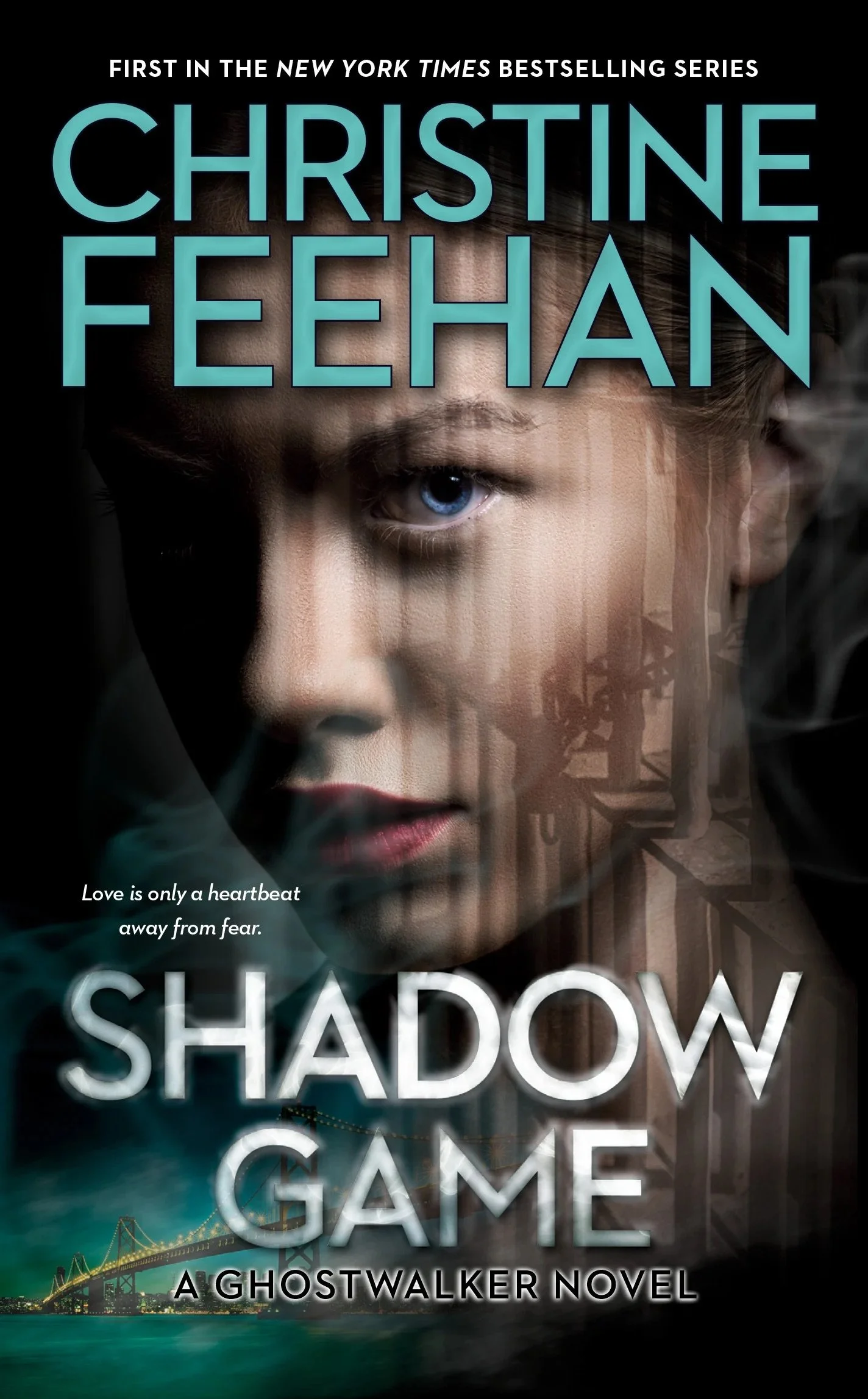


Sponsors
Goldie Thomas, author of The Rake and the Fake
Available now from Amazon, Barnes & Noble, Kobo, or Apple Books
and
Lumi Labs, creators of Microdose Gummies
Visit microdose.com and use the code FATEDMATES
for 30% off and free shipping on your order.


Christine Feehan 00:00:00 / #:
I'm not somebody who will ever cut and paste a love scene. It's a different couple and so, they react differently to each other and to whatever situation is going on. And I don't get embarrassed. It's just part of life, and I put that in. And part of the reason for that, and I know this is going to sound crazy, but so many girls that had had these terrible things happen to them would be very promiscuous, but they never felt anything. And I would say it's because you don't have a good partner. You're not in love with your partner. He's not doing anything for you, so I wanted them to know what good sex was. And writers should realize that the words they put down touch people. And you don't know who you're going to touch and you don't know what you say, what it's going to do to somebody.
Jennifer Prokop 00:01:11 / #:
That was the voice of Christine Feehan, paranormal author, extraordinaire, author of over 100 books and just a superstar of the genre and has been for decades.
Sarah MacLean 00:01:26 / #:
Her first book, Dark Prince, came out in 1999, right at the very beginning of the paranormal boom that we talk about. So, we talk to Christine about her life, how she came to romance, how she came to writing paranormals, and how she continues to write in this subgenre that we all love and wish there was more of.
Jennifer Prokop 00:01:50 / #:
Welcome to Fated Mates, everyone. I'm Jennifer Prokop, a romance reader and editor.
Sarah MacLean 00:01:55 / #:
And I'm Sarah MacLean. I read romance novels and I write them.
Jennifer Prokop 00:02:00 / #:
And without further ado, here's our conversation with Christine Feehan.
Sarah MacLean 00:02:06 / #:
Perfect. So thank you so much, Christine, for joining us. We're very excited, in large, part because it feels like you really came to romance in an interesting time and place and way. And so, I wonder if you could talk a little bit about how you found romance as a reader and then, again as a writer, or was it simultaneous?
Christine Feehan 00:02:32 / #:
Actually, it wasn't simultaneous at all. I started reading when I was very, very young, at a very young age and started writing when I was very young. The minute I could put sentences together, I started making up stories and I would write them down the minute I could, when I could put sentences together. And I think the first time I ever read a romance, I found these old, old books by Gene Stratton Porter, The Harvester and Freckles and those. And I realized there was kind of this romance thing going, and I found it really intriguing. I was probably 10 or even younger. I read books way over my head-
Sarah MacLean 00:03:32 / #:
Us too.
Jennifer Prokop 00:03:32 / #:
Us too. No problem.
Sarah MacLean 00:03:32 / #:
One of us.
Christine Feehan 00:03:37 / #:
And then, I started looking for anything I could read that might have some sort of a connection between a girl and a guy, because I wanted a happy ending or a happy anything involved in it. And so, that sort of started me down that path of looking for something happy in the book all the time, so that was sort of my intro to romance. And I found Louise May Alcott, of course, and read everything that she wrote, and I would read that to my grandmother whenever she was ill. I would sit and read to her, and then later, different ones that kind of inspired me for different reasons. Actually, The Bourne Identity, I liked the fact that they worked together. They were equal partners. People I think mostly saw the movie. They didn't really read that book the way it should have been read, but without her, he wouldn't have made it. She really was his equal partner in that book and I loved that. I really read that a couple of times to see how he made that happen and I really liked that. That was one of them.
Sarah MacLean 00:05:12 / #:
That doesn't surprise me at all, that the Bourne Identity is a text for you. I mean, it makes perfect sense now as a Feehan reader.
Christine Feehan 00:05:22 / #:
Yeah. And then, one really made an impact on me, probably that opened up the whole paranormal world for me, and I read it very early on was a Gift of Fire and Gift of Gold by Jayne Ann Krentz. And I forget how old I was when I read that, but all of a sudden, it was like it opened this whole world to me and I thought, "This is really what I want to write." Plus, I realized that my hero could be flawed and my villain could... I really like that the villain was rounded out so much.
00:06:11 / #:
And so, I started studying villains to figure them out. How did they write these villains and how did they become... You liked them and you didn't like... I mean, there were good things about them as well as bad things. How did they get to be who they were? So, I think they all had such an impact on me. One of the biggest impacts on me for all of my writing was Sherlock Holmes. I read Sherlock Holmes so many times that I literally could quote pages of Sherlock Holmes, of his work. And then, another writer was Laurie R. King, the Beekeeper's Apprentice. I thought that was such a fabulous take on... What she did, you would never expect her to put heroin with him and how she managed to make that work. That was an interesting pairing for me.
Sarah MacLean 00:07:24 / #:
So, at what point during this kind of reading, obviously, you've been an avid reader forever, did you start thinking, "I think I can maybe do this?"
Christine Feehan 00:07:36 / #:
I never did. I always wrote. I always wrote. I had hundreds of manuscripts under my bed. I'd write them and throw them, write them and throw them. I just wrote all the time. It was sort of a compulsion for me. I could not write, I had to write. I had so many stories in my head, I did not think about publishing them. Other people had movie stars and rock stars that they would scream and yell and, "Oh, my God. They're so wonderful. No, for me, it was writers. And so, I never looked at myself and thought I could ever be a writer like they could be, because I kind of worshiped those writers. They were amazing. My first job was in a library, and I would just read every book that I could in that library.
Jennifer Prokop 00:08:28 / #:
Living the dream. Well, it's, the other thing that's interesting though about that kind of list of books you named is I think one of the hallmarks of your style is an interest in the paranormal, but not necessarily... Even though the Carpathian series is very much about vampires, but like Jayne Ann Krentz, actually. Like telepathy and what the brain is capable of, so has that also always been interesting to you?
Christine Feehan 00:08:59 / #:
Absolutely. I research so much, and my belief really, is even with vampires, if you look at every society all over the world, you look at what their beliefs are going back hundreds of years, and all of them have something like that in their background. And where does it come from? You have to start thinking if every culture has something like that in it, where does it come from? And if every country pretty much has done these experiments with telepathy and with all these other things, why are they doing them? And after a while, you start getting these answers. You start hitting on things that, "Oh, this did work for somebody. This did work here. This did work there." And after so much research, you're catching up with the future things that they're already doing. Like my Ghost Walker series, I have a hard time keeping ahead of the game, and I research very hard to do that. And I always have primary sources, but it looks, when you write it, like it's way out there, but it isn't.
Sarah MacLean 00:10:29 / #:
Publishing wasn't even on the horizon, it sounds like. And I've done my research, I know you have a large family. So, can you give us a sense of Christine's world, at this point? How does it all fit together?
Christine Feehan 00:10:42 / #:
I taught martial arts for years and women's self-defense. Well, not just women's, I mean, I taught men too, but that was my world. I surrounded myself with that 26, 27 years of that. And I took in a lot of abused children, which you can see in my books and worked with unwed mothers and I had a complete whirl there. Writing was my escape, and when I took my kids to their gymnastics and their sports, I lived out in the country. I lived way out, away from things. So, I had to drive them and I would sit at their practices and write. That's what I did.
Sarah MacLean 00:11:40 / #:
Anybody with kids in sports has done exactly this.
Christine Feehan 00:11:43 / #:
Yeah. I didn't own a computer, I didn't own a laptop. There was no R.W.A., there was none of that. I didn't even know about R.W.A., I just wrote my stories and I did them for me. That was my escape. That was the one thing that I did for myself. And if the kids watched television at night, that's what I did, is I wrote. I wasn't interested in television. We played Dungeons and Dragons, and I told stories to the kids. That was our pastime and our fun together.
Sarah MacLean 00:12:26 / #:
So, at what point did it become... How did it happen? I mean, how did you become Christine Feehan published author?
Christine Feehan 00:12:36 / #:
The thing was that there came a time when I became very ill and my doctor said to me, "You cannot do martial arts anymore." And unfortunately, children want food.
Sarah MacLean 00:12:56 / #:
They do. Generally.
Christine Feehan 00:12:58 / #:
I convinced the, especially the boys, that they did not need to eat and the girls still wanted clothes. So, I had to find a way to feed them and to keep clothes on their back and to pay the bills. And I was working a couple of jobs, but it was minimum wage, and I was like, "Okay, this is not going to work." And my girlfriend said to me, "Send one of your books in." And I said, "It doesn't work like that." One, it was kind of terrifying. I didn't think I really wanted to send... The thought of giving away one of my stories was not a good idea to me, and I also told her they aren't taking anything with vampires in it. And at that point, I had been writing my Carpathian stories.
Sarah MacLean 00:13:56 / #:
That's so true. A paranormal was unsellable, we were told, in the nineties. And so, I guess I have two questions. One is, was it just that you thought, "I'm writing vampires and I'm not reading vampires? There are no vampires to be read. There was Anne Rice and now there is no one else?" Or did somebody tell you, "Oh, you can't sell vampires?"
Christine Feehan 00:14:23 / #:
Yes. I was told that... My friend, a girl girlfriend of mine was writing to sell, and she wanted to go to this thing in San Francisco that later I found out was an R.W.A.
Sarah MacLean 00:14:41 / #:
Sure.
Jennifer Prokop 00:14:42 / #:
Oh, Okay.
Christine Feehan 00:14:44 / #:
Which I didn't know. And she didn't want to go alone, so she asked me to go with her. And I said sure. And there were all these people in there, and I was a little embarrassed because they would say things like, "Well, I've been working on my office for four months, no book." And then somebody else said, "I've been working on my book for 14 years, and I've been working on my book for... I don't know how many..."
Sarah MacLean 00:15:12 / #:
God, this is the entire experience of R.W.A., honestly.
Christine Feehan 00:15:16 / #:
And this went on and on. And then, they get to me and I'm like, "I don't know. I have 300 manuscripts [inaudible 00:15:24 / #]." And a woman who was running the whole thing, later, she came up to me and she's like, "You need an agent." And I, at that time, was not interested in selling and I told her that. And I said, "Well, the latest thing I'm writing are..." She asked me what I was writing and I said romance. And I said, "But they have vampires in them." And she goes, "Oh, those aren't selling. You can't get an editor to even look at them."
Sarah MacLean 00:16:04 / #:
This week's episode of Fated Mates is sponsored by Goldie Thomas, author of the Rake and the Fake.
Jennifer Prokop 00:16:10 / #:
Sarah, this is a historical romance and it's a debut and the first in The Husband material series. This is a book that's really going to appeal to all of our listeners who love Tessa Dare and Joanna Shupe. And so, we have Charlotte, a seamstress employed at London's most renowned [inaudible 00:16:28 / #], and she is very aware of the class differences between her and the people that come in and partake of her services. And she runs a foul of Nicholas, a charming but badly behaved viscount, and his parents are insisting that he marry as soon as possible. After a maiden Manhattan mix up Nicholas's mother mistakes Charlotte, for this woman who she thinks Nicholas should marry, and there's just all of these shenanigans that happen. This book really deals with big class issues head on. And so, Charlotte, rather than being enamored with the excessive wealth that she is now seeing in real life is, instead like, "Wait, we really need to fix this." So Nicholas, Charlotte have to really figure out how they can be together given this huge difference between them.
Sarah MacLean 00:17:24 / #:
First of all, this sounds like a terrific read. I love it when historical romances really tackle class differences. And you can read The Rake and the Fake by Goldie Thomas right now in print or ebook, wherever you get your books. Thanks as always to Goldie Thomas for sponsoring the episode. Are the 300 manuscripts under your bed also paranormal adjacent?
Christine Feehan 00:17:53 / #:
No. They weren't at that time. No.
Sarah MacLean 00:17:56 / #:
So, how did we get to dark prints?
Christine Feehan 00:17:59 / #:
Well, at that time, I had quite a few children. My oldest son was in the Navy, and he came home to visit. I had two daughters who were pregnant, and he was helping out, building a little apartment for one of them. And he came home. He was with a friend, and he came home for lunch. He had a motorcycle, and I made him lunch and we were laughing and talking, and he went out the door and I said, "Did you put on sunscreen?" And he said, "Oh, mom, you're going to be saying that to me when I'm 90." And I laughed and said, "You bet I will." And he walked out the door, and five minutes later, maybe it was five minutes later, no more than that, the phone rang and my future son-in-law gets this call. He was on for if there was an accident. And his brother called him and said, "We've got a call. I'm coming to pick you up." And then, the neighbor called me and said, "I think your son was hit." And I said, "That's impossible."
00:19:26 / #:
But it was him and he didn't make it. And one of my daughters was... Both of them were due, and there was a birthday party I'd been planning the next day for my youngest child and a wedding I was planning. And it's a very interesting thing when you lose a child, and this is for any trauma that people suffer, life goes on all around you, it just keeps going. There's no way to stop it. You can't put the brakes on, and I had to keep planning a wedding. I had to keep two girls who were giving birth. I had a very small child who expected to have a birthday, and I didn't feel anything. I couldn't remember people talking to me, conversations.
00:20:45 / #:
And it lasted forever. It went on forever. I mean, I did everything I was supposed to do. I went to my kids' schools, I participated in everything that I was supposed to do, but I didn't feel anything. And it went on for so long and I thought, "I have to find a way back." And we always played Dungeons and Dragons together, and I always talked to him about vampires, made-up stories. And one of the things we talked about was, why would somebody want to give up your soul? And the more I thought about it, the more I thought, "If you have no feelings, if you can't feel anything and nothing can touch you..." And I honestly felt like I couldn't see in color anymore. Everything felt so dull. And I thought, "I have to find a way back to the people I love."
00:21:54 / #:
And that's when I started writing dark prints, and I started coming up with this idea that these men had to find that person that could make them feel again and see in color again. And that was my way back to... You never get over it. There's no way to get over it. But I've spoken to many, many people who've had many losses or had much trauma, and everybody has their own way of dealing with it. And that was mine. We shared something, it was Calvert's and I, we shared that. And my youngest son... He's not my youngest, but Brian, he always played Dungeon Masters with a Dragon. Anyway, he played with us and we would talk a lot about it together and eventually, it really helped me. And so, developing that world became very therapeutic for me. And so, that's how that world came about. And it's surprising when people read it. Some people have that, it has that same effect on them. They feel that same way, which I find interesting, that some people get it this, that have suffered loss, where other people have no idea.
Sarah MacLean 00:23:44 / #:
Yeah, but I imagine when a book comes like that and from such a place, it's impossible to imagine. First of all, it's all packed in there because when you write, that's how it goes, whatever you're living is in there. But also, I'm so moved by this story because the Carpathians are... That series is never-ending, right? It's 38 books now. And so, do you feel like every time you go back to them, that you're going back to a similar place you're mining that same love, that same world?
Christine Feehan 00:24:28 / #:
Sure. It's funny how grief will hit you at times, where it comes out nowhere. I mean, it's been a long time for my son. I've lost a granddaughter, I've lost a grandson and all of that is very difficult. You try very hard to, I don't know how to explain it, keep going as the world keeps going. But anybody who's lost parents, anybody, at times it just suddenly comes out of nowhere, and you don't know when it's going to happen.
00:25:23 / #:
But when I write, I can feel that connection, especially in the Carpathian world with Calvert, and it makes me feel very close to him again. And also, there's so many issues in those books, women's issues, miscarriages that women have. And over the years, with so many different friends and so many different young women that have had terrible things happen to them that I've dealt with through martial arts or through other things, I've been able to talk about those things. And then, had women be able to read about them, and then that helps them in their lives. So, I've been grateful to be able to have that opportunity when I no longer can do hands-on help.
Jennifer Prokop 00:26:32 / #:
So it's interesting to me too... Probably one of my favorite of your series is Torpedo Ink, and those are characters that are really steeped in trauma. And I mean, that's another thing that sort of ties your books together. People experience terrible loss or grief or trauma, and then this connection is like, how do they survive? Especially can they, through this, access almost parts of themselves, they didn't know that existed. So, when you talk about readers contacting you, is this something that... Like they write you letters, you get emails, how do you connect with readers who are also experiencing this world? Like the emotional... Your worlds are kind of terrible worlds, but people find each other in them. So, how do your readers come to you?
Christine Feehan 00:27:38 / #:
Well, okay, Torpedo Ink is actually my most difficult series to write. When I took in children, I found that boys were treated way differently than girls. When they're molested, they oftentimes are not given counseling. Sometimes they're rejected from their family. The fathers don't want them, and they often are like, especially if they're a little bit older, it's like, "Oh, hey, you should be happy," instead of... It's traumatizing for them, but nobody wants to even talk about it with a boy. And so, I promised myself that someday I was going to address that issue. And I didn't honestly realize when I started looking at files, what I was really getting myself into. Because you have to talk with professionals and you're looking at some file and you're reading this horrible thing that you don't even want to look at anymore. And then, you talk to a professional and you say, "All right, this happened to them.
00:28:59 / #:
What's going to happen to them as an adult?" And he's like, "Oh, he's not going to be normal. His sexual life is not going to be normal." So now, you're going to have to write about this and try to find a happy ending for him. Because to me, I want to make whoever's had anything close to that experience feel hope. That's what you're trying to do, is say, "There's hope for you. Don't give up." And most of the time I get letters. There's been a few times when somebody has come personally to me, when I'm at a convention or something, they've asked to meet with me, and I've talked to them. Most of the time it's a letter and 99% of the time, and it will start out, "Please continue to read this, but I was going to kill myself. And then, I read this book." And oftentimes, especially Torpedo Ink, I think, "I can't write another one of these. I just can't do it." And then, I don't know why I get a letter like that, and I think, "Oh, my God, Christine, now you're going to have to write..."
Jennifer Prokop 00:30:22 / #:
Keep doing it.
Christine Feehan 00:30:23 / #:
"Now you're going to have to write another one." And it's interesting because not everyone gets that those books are about trauma. They don't see it. They don't. And that's always interesting to me, that not everyone gets what the book is actually about. I try to put on there to be careful about reading it. There's triggers for people... But people sometimes just don't see that.
Sarah MacLean 00:30:55 / #:
One of the things that I keep coming back to as you're talking is Jen and I talk a lot on the podcast about how we bemoan the way paranormal has faded over the last decade. And one of the reasons why is because it feels like there seems to be so much more anger and confusion and frustration, and all the things that are happening in the world right now. Paranormal, in so many ways, makes us look at those traumatic or those dangerous or angry or wicked things and face them.
00:31:41 / #:
You said this is about hope, and we always talk about romance as the literature of hope. That is the promise. So, I wonder if you could talk a little bit about, as somebody who we really do think is without you, paranormal would not be here in the way that it is. How does paranormal... How did coming to paranormal and writing paranormal and building the sub-genre happen during that time? I mean, obviously, you told the remarkable story about how the Carpathians came to be, but you've never gone away. You've never left that paranormal world. Even when you do leave it, there's always a vibe, right?
Christine Feehan 00:32:29 / #:
Yeah. Well, because for me, I know that other people don't really believe so much in all those things, but I think the world is so big and there's so many interesting unsolved mysteries in it, and I can't stop doing research. I'm like the research nut, and I find everything so fascinating. And I don't necessarily... I know we use the word paranormal, but I always think there's so much out there. And so, to me, I just think maybe it's really all true, and we haven't caught up with it yet. So, to me, it's just extending my imagination and then, trying to find reality in it. And I try to put the book at least 80% facts. I mean, twisting those facts into my fictional world. And then, just a small amount of the paranormal so that when people read it, they're like, "Oh, this could happen. This could be." When I did Lightning Game, most of that was reality. I mean, it's amazing what they're doing with lightning, and you look at it and go, "Holy moly."
Sarah MacLean 00:34:07 / #:
So, could you talk a little bit about that paranormal? I mean, I'm using paranormal now, respecting what you just said, but at paranormal as a subgenre of romance. During that boom, where it just felt... I mean, it just felt like everyone was writing these kind of big, expansive worlds with these heroes who were just larger than life and these heroines who just could match them step for step. What was going on there? Are you able to look back on that time and go, "Oh, this is why we were all doing this thing together." Or, "This was why readers were really drawn to us?"
Christine Feehan 00:34:59 / #:
I think that different times call for different things. People are, at times, they need certain things in their lives, and they're looking for heroes and they're looking for things that make them happy. Unfortunately, I don't honestly know what's happening right now, where everybody seems so angry and weird with each other. It's so strange to me. I don't understand that, but I'm getting kind of old. But I think everybody's imagination was really big and everybody at that time really accepted it. And they went all out and readers were like, "Hey, what do you have for me? I'm willing to read it." And they went for it. So, I think that was a really good time, and people were in a good place. And as things started to crumble, the economy and whatever, then I think that things sort of went downhill. And also, when you get too many people doing the same thing, it runs out. You can only do so many of the same types, and then it gets... There's a lot of repetition. And maybe towards the end, there might have been, I don't know.
Sarah MacLean 00:36:50 / #:
Were there other writers who you were friendly with, who you were in your group, were inspiring you during that time?
Christine Feehan 00:37:02 / #:
Not in my group. I had a very core group, but I will tell you, I read Mary Janice Davidson, and she made me laugh so hard. I am not the best at writing humor. When I read her, I would laugh so hard and I would just about die. She made me laugh so much. There were certain ones that you'd pick them up and to be honest, I didn't read much in my own genre because I didn't want to step on somebody's voice, but I couldn't help it with her. Every time she had a book come out, I'd go get it, because she just was so funny. But like I say, I don't write very humorously, and I try, but my humor falls flat.
Jennifer Prokop 00:38:01 / #:
So, did you join R.W.A., you mentioned, sort of not knowing what it was? Was that something that-
Christine Feehan 00:38:09 / #:
I had to, at one point, because my house... I was with Dorchester at the time when I first... They were the only ones who would read my book and then they bought it.
Sarah MacLean 00:38:19 / #:
Who was your editor there?
Christine Feehan 00:38:21 / #:
Alicia Condon. Alicia Condon. Okay. Okay. And she was wonderful. She was.
Sarah MacLean 00:38:26 / #:
And she acquired you at Dorchester?
Christine Feehan 00:38:28 / #:
She did, yes. And people always said things about Dorchester, but they gave new authors a chance when nobody else would.
Sarah MacLean 00:38:37 / #:
And took such risk in terms of the content of the books. I mean, I was saying to Jen before we started that one of my very favorite... I write historicals, and one of my very favorite historicals is The Madness of Lord Ian Mackenzie, which, the hero... It's such a different kind of historical, and I just can't... I think it benefited from Dorchester.
Christine Feehan 00:39:03 / #:
I think that they did a really good job at getting people seen when nobody else would even look at them. Not one other house would've... Well, they wouldn't...
Sarah MacLean 00:39:17 / #:
Sure. Vampires, right?
Christine Feehan 00:39:19 / #:
Right, they wouldn't look at it. And she did, and she picked it up, so that was pretty amazing of her to do that.
Sarah MacLean 00:39:29 / #:
And then, you were with Dorchester until Dorchester folded?
Christine Feehan 00:39:34 / #:
I was already being looked at by Berkley. Cindy Wong had already made an offer for me, and I've been with her ever since. She's been my editor for years and years and years. So yeah, I was already with Berkley at that point, but they had a bunch of my books still.
Sarah MacLean 00:39:58 / #:
Because you're such a fast writer. Now, were you build... Now, how was that working? Were you pulling things out from under the bed or...
Christine Feehan 00:40:06 / #:
No, no.
Sarah MacLean 00:40:07 / #:
The bad manuscripts are still under the bed.
Christine Feehan 00:40:09 / #:
No, because the ones under the bed were not polished and they weren't that good.
Sarah MacLean 00:40:15 / #:
I don't believe it, but okay.
Christine Feehan 00:40:16 / #:
No, they're not that good.
Sarah MacLean 00:40:20 / #:
So, because you're so prolific as well, what is it? Almost a hundred books, is that right?
Christine Feehan 00:40:27 / #:
Yes, very close to a hundred books.
Sarah MacLean 00:40:30 / #:
And so, you are really... I mean, you still writing really quickly. You're writing at a self-published pace.
Christine Feehan 00:40:39 / #:
I actually am slowing down a little bit so I can go visit occasionally. Go see my mom, and not my mom, my sisters, occasionally. I have a lot of sisters.
Sarah MacLean 00:40:53 / #:
And do you feel like... You have a big fam... You have a large number of children, a lot of sisters. Do you feel like that those kinds of relationships are part of why you have been drawn so much to Pax? I mean, big communities of characters.
Christine Feehan 00:41:13 / #:
Yeah, I've always loved being in a big family.
Jennifer Prokop 00:41:18 / #:
This week's episode of Faded Mates is sponsored by Lumi Labs, creators of microdose gummies.
Sarah MacLean 00:41:24 / #:
So Lumi Labs, our old friends, you've heard us talk about microdosing and the concept of microdosing before on the podcast. It's commonly associated with psychedelics, with wellness, performance enhancement and creativity. If you're looking to consider microdosing, you can do a quick Google search or you can go to microdose.com and learn more about how taking a microdose gummy might help you just with a little bit of mood enhancement with maybe helping you sleep, which is what they do for me.
Jennifer Prokop 00:41:57 / #:
For me too.
Sarah MacLean 00:41:58 / #:
Pain, anxiety. Eric takes them for creativity and a general kind of joyfulness across the day. He said to me the other day, "You know what the thing is about these gummies? You take one and you just like, an hour and a half later, just feel like, "I feel like I'm in a good mood."
Jennifer Prokop 00:42:17 / #:
Yes. And listen, we all need that these days. If they didn't put me to sleep, they would definitely help me feel like I was in a good mood. Anyway, microdosing is available nationwide, and we have all tried these gummies, and we think you might enjoy them too, if they're something you're interested in.
Sarah MacLean 00:42:37 / #:
So, you can go to microdose.com and use the code Fated Mates to get 30% on your first order. They have all different kinds of flavors you can try. I'm a particular fan of cotton candy. Lately, I also like one that's orange flavored, so you should try, check it out, give it a try. And thanks, as always, to Lumi Labs for sponsoring this week's episode. Another interesting hallmark of your career is that you have several, very long-running series that you're essentially writing concurrently. And so, this is unusual. A lot of people will start and finish a series and you have a bunch that just are kind of continuing. So, what's your process for deciding what's next, keeping it all straight? That seems like a huge job.
Christine Feehan 00:43:40 / #:
It's very strange, my brain, how it works. A character will come to me and say, "I want my story told." And I can't write... I couldn't write two Carpathian stories in a row because I'd be bored with that world. So, I write that story and then, while I'm writing that story, all of a sudden, another character from another world will jump into my head and start pushing at me. And I have tell it to be quiet. Like, "It's not your turn yet. Wait till I'm finished." And then, that one will will... A lot of times now, because I'll have a contract and they'll want the stories in a certain order order. And so, I had to train my brain to say, "It's going to be like this." And if they mess up the order on me, it's actually difficult now, because my brain would be like, "We have to do it this way."
Jennifer Prokop 00:44:48 / #:
I'm not going to get the titles right, but the head of Torpedo Ink was the husband of the end of the series with all the sisters?
Christine Feehan 00:45:00 / #:
Right, yeah. Mm-hmm.
Jennifer Prokop 00:45:00 / #:
So, when characters intersect in that way, is that a surprise to you?
Christine Feehan 00:45:07 / #:
Because I wasn't planning on publishing Torpedo Ink. I wasn't going to. And when I had that in there, Cindy said to me, "Do you have these other characters..."
Sarah MacLean 00:45:21 / #:
We have this guy.
Christine Feehan 00:45:23 / #:
And I said, "Well, yeah, but I don't think they're something that I could publish because it's a pretty raw, edgy series." And she said, "Well, let me read it." And that's kind of how that ended up getting published.
Sarah MacLean 00:45:40 / #:
We've had several people on who are edited by Cindy, and it sounds like she is one of those editors who is willing to just again, take the risk with you and trust you to move forward.
Christine Feehan 00:45:55 / #:
She will take a risk. Yeah, she will. She's not-
Sarah MacLean 00:45:56 / #:
That's amazing.
Christine Feehan 00:45:57 / #:
She's pretty fearless, and she's not afraid. If I went to her and said, "I'd like to publish this." And it's like out there, she would say, "Go ahead and write it. Let's take a look at it."
Jennifer Prokop 00:46:14 / #:
Have there been other editors, publishers, I don't know, art directors?
Sarah MacLean 00:46:21 / #:
Oh, wait, can we talk about those early covers, first of all?
Jennifer Prokop 00:46:24 / #:
Oh, yeah.
Sarah MacLean 00:46:25 / #:
So, I'm so fascinated but... Listen, I could talk about romance novel covers all day every day. In fact, Jen will tell you, I kind of do, but those early covers, so that first cover of Dark Prints is a clinch. It's like a historical clinch, presumably because no one knew what the heck to do with these books, right?
Christine Feehan 00:46:45 / #:
Right.
Sarah MacLean 00:46:45 / #:
And then, can you walk us through... Are you able to remember or recall how paranormal became... How it started to look the way it did? Why we moved away from those clinches?
Christine Feehan 00:47:01 / #:
Well, there were funny, funny things that happened with some of them.
Sarah MacLean 00:47:05 / #:
I love it.
Christine Feehan 00:47:07 / #:
It was Jacque's book and they put him on the cover, and I said, "Well, this cover his spine." Except that he had, or she had red hair. It was a clinch cover, so they washed the cover red.
Sarah MacLean 00:47:32 / #:
Oh, my gosh. The whole cover?
Christine Feehan 00:47:34 / #:
The whole cover. So he is like sunburned. I called him Lobster Boy after that.
Sarah MacLean 00:47:41 / #:
What book is this?
Christine Feehan 00:47:44 / #:
It was Dark Desire.
Sarah MacLean 00:47:45 / #:
I'm looking it up right now.
Christine Feehan 00:47:48 / #:
So, he literally has... He's red and so-
Sarah MacLean 00:47:53 / #:
I think I know what this is.
Christine Feehan 00:47:55 / #:
I did. I called him Lobster Boy. So, every time anybody would refer to him, I would think, in my head, I'd turn it around and he'd be Lobster Boy.
Sarah MacLean 00:48:03 / #:
Oh, no.
Christine Feehan 00:48:06 / #:
And my girlfriend, one of my friends, she just loved him. She called him Pooky face. She'd be like, "Don't you call my-"
Sarah MacLean 00:48:14 / #:
He's orange.
Christine Feehan 00:48:16 / #:
Yes. He is.
Sarah MacLean 00:48:19 / #:
Everybody look down in your podcast right now. We'll show it to you. Yeah, he's orange.
Christine Feehan 00:48:24 / #:
Yeah.
Sarah MacLean 00:48:26 / #:
How funny.
Christine Feehan 00:48:27 / #:
Yeah. And here's the other thing that happened with that book. This is just a little... So, it starts off with, there was blood in the River of It Running or something, the first sentence. And I had worked on that first chapter a million ways, and he's insane. I mean, when he comes awake, he's totally insane. And if you don't know what happened to him, you would hate that guy because he's an ass. So, you have to start out with him and knowing what happened to him. And I think I wrote that first chapter 40 Different Ways. Well, when they got the book, they're like, "We have to change this first chapter because they have to know that it's a romance, and you can't start out this way." I'm like, "No, I'm not changing it."
Sarah MacLean 00:49:25 / #:
How funny.
Christine Feehan 00:49:27 / #:
I go, "Toss the book." "We're not tossing the book."
Sarah MacLean 00:49:36 / #:
Amazing. No. And then, when we first got on with you and you said, "Well, I don't know. Am I a trailblazer?" Christine, Christine...
Christine Feehan 00:49:43 / #:
Here's why.
Sarah MacLean 00:49:44 / #:
This is how paranormals begin, now with the heroes in trauma and then, you just sort of ride the wave until you get to the kissing parts.
Christine Feehan 00:49:54 / #:
I finally just said, "You know that Clinch cover? They're going to know it's a romance."
Sarah MacLean 00:50:00 / #:
Right, exactly. I think they'll know. So, at what point did it feel like... I mean, this is obviously a market thing. This is how the sausage is made a little, but when does everybody realize, "Oh, paranormals need a different look"? Is that just because it started to become... So the market just became more exciting?
Christine Feehan 00:50:21 / #:
I really think when I moved over to Berkley, I think that the marketing people at Berkley kind of-
Jennifer Prokop 00:50:32 / #:
Figured that out.
Christine Feehan 00:50:33 / #:
Yeah, they were the ones. For me, for my team, they were the ones who kind of said, "Okay, we're going to do this differently." Interesting enough, in Germany, my books, all of them, even the Ghost Walkers, all of them have bats on the cover.
Jennifer Prokop 00:50:57 / #:
Okay. Sure, sure.
Sarah MacLean 00:50:57 / #:
It's a can of soup, right?
Jennifer Prokop 00:51:00 / #:
I know. I'm like, "Does Saphian mean Bat and German?" I don't know.
Sarah MacLean 00:51:03 / #:
That's funny.
Christine Feehan 00:51:04 / #:
Maybe. What else?
Sarah MacLean 00:51:05 / #:
Yeah.
Christine Feehan 00:51:07 / #:
They do very well but...
Sarah MacLean 00:51:10 / #:
Hey, listen. If it ain't broke, right?
Jennifer Prokop 00:51:14 / #:
You can tell I really love your books, but one of the things Sarah and I have talked about a lot is romance comes and goes, right? The way that what's popular as a trope, what kind of sub-genres are popular, what kinds of hero archetypes are popular. These things change over time. And right now, the romance hero has changed a lot, but I don't necessarily think that your romance heroes has have changed a lot. So, how do you... I don't know. Do you feel the push of market forces, or it doesn't matter, your readers are...
Christine Feehan 00:51:57 / #:
I don't look at trends and I don't look at that kind of thing at all. I have to go with whatever I'm passionate about and I have to go with whatever character's in my head, and I just hope my readers will love the story and love the characters. I write the best book that I can. I try every single book to improve and give a better story and sometimes, I succeed. I do my best, but there is no way that I can write a story to the market. It's not going to happen. And I know that, so I don't even try.
Sarah MacLean 00:52:41 / #:
Well, what's amazing is you've made a career out of arguably not writing to market. You wrote vampires before vampires were cool. You moved to shifters before everyone else moved to shifters and it's amazing, the inspiration that you give writers is write your truth.
Christine Feehan 00:53:03 / #:
Well, the series that I'm doing, I know it's a bad thing to call it the murder series. I really shouldn't-
Sarah MacLean 00:53:10 / #:
Not for me.
Jennifer Prokop 00:53:13 / #:
I think that might be more to market than we'd like to admit, honestly.
Christine Feehan 00:53:17 / #:
Well, I got into that one because one of my daughters does a lot of climbing. She used to live in Bishop, which is up in the mammoth area near Yosemite. And she knows these women and all of them have these incredible stories. And they all became friends, and they would go climbing together, and I would listen to their stories of where they came from. And then, they have these insane jobs. And I was thinking, "Wow, this is amazing." And one day, they were telling me about this hike they'd gone on, and I thought, "what a perfect place for a serial killer." I'm like, "Okay..." They were all going to go on a hike together and camping. And I said, "Okay, girls, I really want you to start looking around for a place where a serial killer might be hanging out, ready to-"
Jennifer Prokop 00:54:20 / #:
Just report back.
Sarah MacLean 00:54:20 / #:
It's totally fine.
Christine Feehan 00:54:24 / #:
So, after that, I started having the girls, every time they go someplace, do that for me. And the next thing I know, they're taking tasers with them.
Sarah MacLean 00:54:34 / #:
I was going to say they stop hiking. They're done with that now.
Christine Feehan 00:54:38 / #:
I kind of ruined it for them. We're talking murder every time we go to the restaurants.
Sarah MacLean 00:54:48 / #:
So, one of the questions that we often ask is, what's the hallmark of a Christine Feehan romance? When a reader picks up a Christine Feehan novel, one of your nearly-100 of them, what do they know they're going to get?
Christine Feehan 00:55:06 / #:
Well, for sure, they're going to get a happy ending. Absolutely sure they're going to get happy ending. I write, always, about, I think, hope and about finding your own version of family. It doesn't matter what the setting is or what the drama that has been... It's about... Or what I want to say genre, but of course, it's romance, but it could be military, it could be suspense, it could be anything. But set in that, there has to be that hope and the finding of family and that happy ending. That's what you're going to get. That's what you're going to find.
Sarah MacLean 00:56:04 / #:
And we didn't talk about this, but it's also going to be super sexy.
Jennifer Prokop 00:56:08 / #:
Oh, yeah.
Sarah MacLean 00:56:09 / #:
And I feel like we should sort of touch on this because I do feel like for me, those early Feehans were-
Jennifer Prokop 00:56:20 / #:
And the late ones.
Sarah MacLean 00:56:21 / #:
No, no. I mean, for me though, Sarah, when I stumbled upon Christine Feehan in the bookstore, it felt like I'd never read anything like this before. And I wonder, can you talk a little bit about that, about really bringing sex to the genre in a lot of ways? I feel like there was, not that it didn't exist before, but there's something about the Feehan sensuality that is different.
Christine Feehan 00:56:53 / #:
Well, to me, the characters are really real. People have asked me that before. I'm not in the book at all. When I'm writing that book, it really is the characters. I don't plot out the book. So the characters are so real to me that I know everything about them from the time they were little. And so, when they're moving through that story, it's all about them. And they're the ones that are having sex or not having sex or whatever's happening to them.
00:57:33 / #:
And so, I'm not somebody who will ever cut and paste a love scene. You're not going to get the same one because they're always... It's a different couple. And so, they react differently to each other and to whatever situation is going on. And I step back so far when I'm writing that I'm not there, and really, it's almost plays out like it's reality for them. And so, to me, it's just part of life. I don't get embarrassed. It's just part of life, and I put that in. And part of the reason for that, and I know this is going to sound crazy, but so many girls that had had these terrible things happen to them would be very promiscuous, but they never felt anything. And I would say, "It's because you don't have a good partner. You're not in love with your partner. He's not doing anything for you." So, I wanted them to know what good sex was, and if you have a book that you can read when no one's around and you can see what good sex is, then it's... When you have a partner, and I can tell you, this is another thing I get lots of letters.
Sarah MacLean 00:59:16 / #:
Oh, interesting. I believe that.
Christine Feehan 00:59:20 / #:
I even had letters from guys who told me they would not cheat on their wives, military guys, because they realized that their wife was too important to them. And I mean, it's amazing. And writers should realize that the words they put down touch people. And you don't know who you're going to touch, and you don't know what you say, what it's going to do to somebody. I mean, when I write something, I don't know who it's going to affect. But I deliberately did put sex in my books for that reason, because I wanted people to know there is good sex. No, that there is, and you should feel something.
Sarah MacLean 01:00:19 / #:
And I love the way you talk about it, as you are so distant from the book itself, you are just writing the book. And I think that's really what a Feehan... That's why it feels so different as a reader or did. In those early books, they felt transcendent because they did feel intense and passionate in that way, that sort of private way.
Christine Feehan 01:00:46 / #:
Yeah. Now, when I started the Leopard series, that was kind of my nod to erotica. Yeah, erotic wasn't a huge, huge thing then. Now, it kind of is, but it wasn't at the time. And so, I was like, "Okay, I'm going to just do a little bit of that." And that was before to Torpedo Ink. And so, I thought, "Oh, I'll put that in my leopard one because it made sense to go there." But then, I started writing Torpedo Ink and I'm like, "Uh-oh, now I've got two."
Jennifer Prokop 01:01:23 / #:
Yeah. That's hot, everybody. I'm okay with it.
Sarah MacLean 01:01:29 / #:
No, the Leopard series. I mean, I remember coming to the Leopard series and just feeling like nobody had ever done anything like that before.
Jennifer Prokop 01:01:38 / #:
Yeah. So, I think the question we love to end with is... So, it's kind of a two-part question, I guess. One is, there a book that you hear about over and over again from readers? And then, the question we have for you is there a book of yours that's your favorite, the one that you are most proud of?
Christine Feehan 01:01:58 / #:
Well, the one I hear about all the time from Readers is Dark Celebration. Every single person wants me to write that book over and over and over.
Jennifer Prokop 01:02:11 / #:
They can just reread it. They can reread it. Reread it, everybody.
Sarah MacLean 01:02:13 / #:
It slaps every time.
Christine Feehan 01:02:16 / #:
It's so funny.
Sarah MacLean 01:02:17 / #:
And why do you think that is?
Christine Feehan 01:02:19 / #:
I think because it revisits characters they love.
Sarah MacLean 01:02:22 / #:
Yes.
Christine Feehan 01:02:24 / #:
I think that's it.
Sarah MacLean 01:02:25 / #:
It's reader Karen Feeding, right?
Christine Feehan 01:02:28 / #:
So, I think that that's it. What book would I be the most proud of?
Sarah MacLean 01:02:35 / #:
Or the one that's most special to you? People take it in different ways.
Christine Feehan 01:02:41 / #:
Probably the one that's the most special to me is Dark Prince, for obvious reasons. That would probably be the one, I would say.
Sarah MacLean 01:02:49 / #:
Well, thank you for being with us today.
Jennifer Prokop 01:02:51 / #:
This was incredible. Thank you so much. Thank you for joining us and it's really an honor.
Christine Feehan 01:02:59 / #:
I really enjoyed being with you. Thank you for inviting me.
Sarah MacLean 01:03:06 / #:
Every single one of these goes differently.
Jennifer Prokop 01:03:10 / #:
Yeah, it's amazing. I think the thing I liked about our conversation with Christine is how personal it felt. I mean, obviously, not just the stories that she shared, but just you can really feel how reading and writing and thinking about hope and happily ever afters is really something she spent her entire life on. And there's a way that I think that just really came through in that conversation. It was so fascinating.
Sarah MacLean 01:03:39 / #:
Absolutely. She talked a few times about how readers have approached her and talked to her about how special her books are to them and how moving they are and how inspirational and important they are to readers. And every time she told them, I had the same thought, which was, "I think it must be really wonderful to have a conversation, a personal conversation with Christine." She feels like she's present in the moment the whole time, and it was really special.
Jennifer Prokop 01:04:14 / #:
I get very distracted by people. I feel like even in my classroom, I'm kind of constantly doing 800 things at once, but you really feel that she probably is such a great mom and a grandma. You know what I mean? Like the attention that she really gives and the way that she talks about... I mean, I'm fascinated too by people who say, "I am a writer. I've always been a writer. I love writing. There's 300 books under the bed."
Sarah MacLean 01:04:41 / #:
A Compulsive Writer. I love that. The sort of, "I would've written with or without publishing." I loved that story about how she got dragged up to an R.W.A. meeting and everybody was like, "Well, I've been working on the same thing for a while." And she's like, "I have 300 books, but I never intended to do this."
Jennifer Prokop 01:05:00 / #:
I also think that that goes hand in hand then with not really worrying about "the market". So, when you are writing in that way and you've had success writing in that way, and you've had readers respond to you in that way, then I think it's really powerful to see someone stay the course.
Sarah MacLean 01:05:24 / #:
I feel like if you are out there right now and you are looking at a manuscript and you think it won't sell you because of the market, hearing Christine talk must be so important and inspirational for you, because we've talked a lot about... We've talked to people like Jayne Ann Krentz, I loved, as she mentioned, Jayne. We've talked about Jayne... When we talked to Jayne, when we talked to J.R. Ward, we've heard the story of people who change genres because, as J.R. Ward puts it, they were fired or it just wasn't selling, so they pivoted. And we've talked so much about how writers have to be nimble to thrive in the genre. And I think what's fascinating is that Christine is nimble and she is full of ideas and shifting and changing, but she stays really true to her brand and to her point of view. And I think that's a really valuable thing to hold onto right now, especially, as we see romance really grappling with those big questions about what comes next and have we oversaturated and these kind of big issues.
Jennifer Prokop 01:06:40 / #:
We didn't have a chance to ask her. She has re-released some of her romances.
Sarah MacLean 01:06:45 / #:
Oh, we meant to ask.
Jennifer Prokop 01:06:46 / #:
I know, as a sort of-
Sarah MacLean 01:06:48 / #:
And then, we got distracted.
Jennifer Prokop 01:06:49 / #:
Author's cuts. With the rise of self-publishing, I think there's a way in which... There's always a market for something. There's always a small dedicated group of readers who are looking for whatever it is that you are selling. It's traditional publishing that has... It can't quite have that leeway to just be like, "Yes." And so, it's really interesting to hear her talk about that Dorchester imprint taking a chance on her and the difference that made. And it's funny because that is not a... I mean, Dorchester, I feel like is not a name I've even ever heard spoken about before in romance.
Sarah MacLean 01:07:36 / #:
I mean, it's really fascinating because I hadn't thought of Dorchester until-
Jennifer Prokop 01:07:42 / #:
We were prepping.
Sarah MacLean 01:07:42 / #:
I was doing research. We were prepping for this episode. You guys, these are the only episodes we actually prep for. We do actually do research before we talk to these people because we are trying to get them to think we're intelligent and so, we know what we're doing. But no, I mean, Dorchester... And now, of course, I want to go back and look a little more at Dorchester. But I was thinking about our conversation with Radcliffe, when we were talking about how these small presses were really the places where big adventures were happening in romance. And obviously, for Radcliffe and for E.E. Ottoman, that was a different kind of thing, that was happening because queer presses had to publish queer books because traditional publishers weren't doing that. But paranormal, I think about those digital-only presses, again, those kind of Ellora's Cave and Sam Haynes and those places that were taking big risks. And so, it doesn't surprise me that one of the mothers of paranormal came up through a place that doesn't exist anymore.
Jennifer Prokop 01:08:56 / #:
This is something I don't... I don't know that I've ever heard any author explicitly state as clearly, which is when you write from a place... When she told that, I mean, heartbreaking story of her son's death, that somehow there are some readers who can plug into that and see a, I don't know, see themselves in that too. And I think that's one of the things, we talk so much about romance being about the genre of hope, about feelings. Romance is about feelings, but it's our feelings as readers too. And I think that this is something that I was really impressed at how clear-eyed it felt like she was about that relationship. If I'm writing from this place, it's going to find the readers in that place.
Sarah MacLean 01:09:55 / #:
And I also think there is... Talk about a fearlessness in terms of character and theme, because she really does write about trauma. And maybe we'll put in the show notes a link to the discussion that Jen and Adriana Herrera have had about writing trauma and how romance and trauma kind of do go hand in hand a lot. But it's interesting because I think writing trauma is a thing that we are talking about a lot in the industry without talking about it, really having conversations about how you put these things on the page so that characters and writers and readers can see it in a raw way. I think she even used that word, raw. And these books are not for the faint of heart. They are rough reads, and she is writing into that space in a way that I think a lot of us are afraid to do. And I think it's because she clearly has seen it, she's faced it. And I loved every minute of that conversation.
Jennifer Prokop 01:11:19 / #:
Romance gives me so much. But when I kind of interact with someone who has the same root causes, and I've talked about this before. I started reading romance after my parents got divorced. The pain of that was the only thing that made me feel hope and better, was reading romance, that there are people out here who have also gone through painful things and they find a way to love each other. And so, it really is interesting, I think, for me, when you talk to someone who, I don't know, talk about the branches of the romance tree. It feels like we were planted in the same ground.
Sarah MacLean 01:12:01 / #:
Yeah. Yeah. Gosh, that was a very cool conversation. I mean, I should have expected it to be, but...
Jennifer Prokop 01:12:10 / #:
A lot of our trailblazers were really pushing for, "Tell us the story of publishing. Tell us your story through that journey." And that's not what her story was about, and I loved hearing it. It was amazing.
S05.29: Spring Romance Recommendations: Sarah & Jen fill your TBR
We were together for the first time in a while, so we decided to record on Sarah’s couch! We answer questions from the audience at Fated Mates Live, recommend Spring romance novels, fill your TBR pile and bantr. It’s nice.
Next week, we’re reading Tracy MacNish’s Stealing Midnight—we’ve heard the calls from our gothic romance readers and we’re delivering with this truly bananas story, in which the hero is dug out of a grave and delivered, barely alive, to the heroine. Get ready. You can find Stealing Midnight at Amazon, B&N, Kobo, or Apple Books.
Show Notes
We had a great time at Fated Mates Live! Thanks to everyone for coming, to The William Vale for being a great location, and to Word bookstores for selling books. Producer Pat from Learning the Tropes was Eric’s co-producer that night! A huge thanks to Grand Central/Forever, Sourcebooks, and Berkley Romance for donating books for us to give away!
If you are ever in Williamsburg, you should go ahead and order some pizza. Jen ordered from Mo’s General and it was delicious.
A primer on the Model Minority Myth.
Some real life examples of people dancing themselves to death. A Splash of Cream at the Alabaster Cafe came out 6 weeks after Morning Glory Milking Farm, but also correlation does not imply causation.
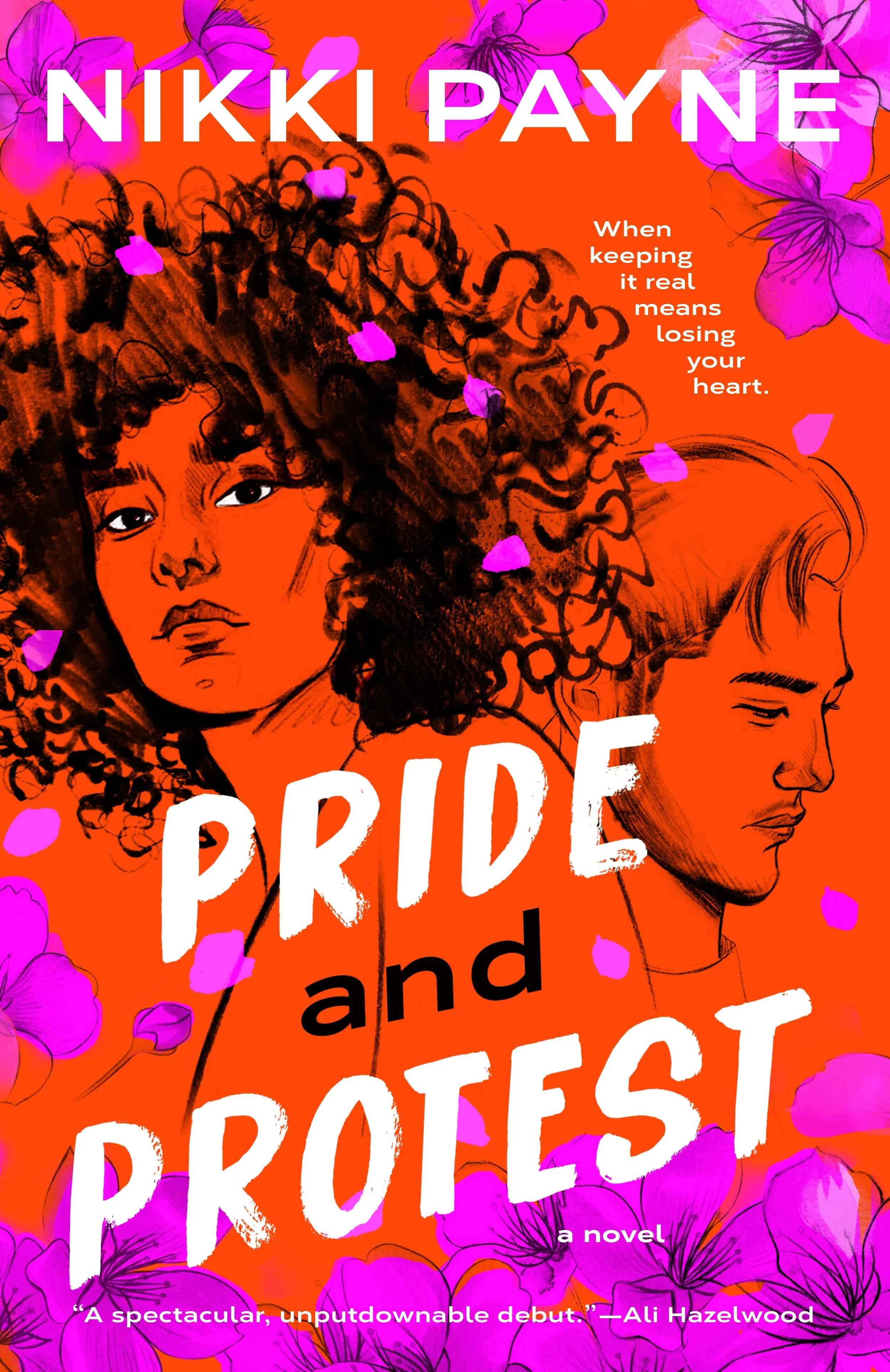
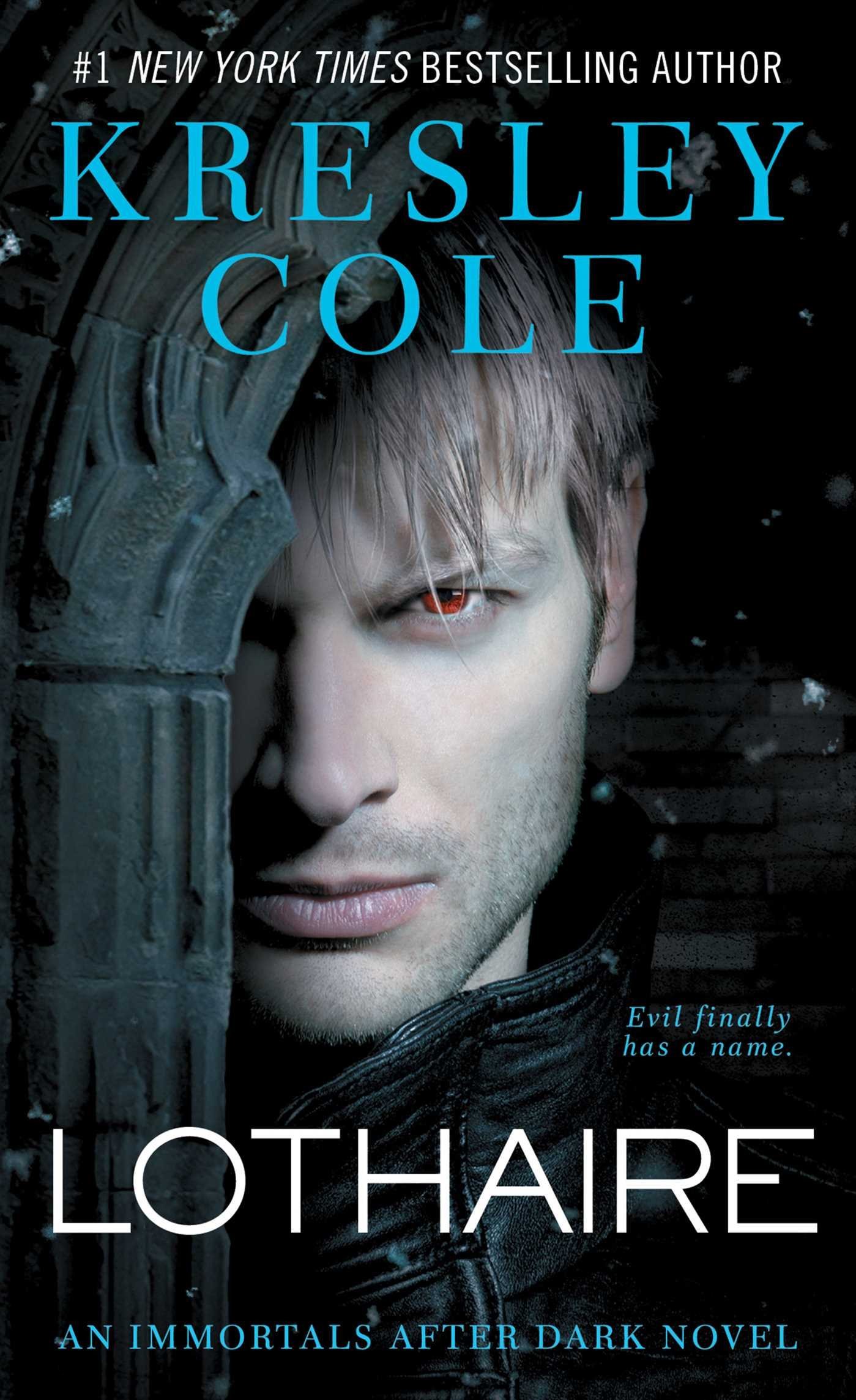
Books Mentioned This Episode





Sponsors
Katherine Grace, author of Just a Fling
Available now from Amazon, Barnes & Noble, Kobo or Apple Books
and
Goldie Thomas, author of The Rake and the Fake
Available now from Amazon, Barnes & Noble, Kobo, or Apple Books


S05.28: Women's Friendships in Romance with Sophie Jordan
Sophie Jordan is back again! She’s got a new book out, The Countess, the first in her Scandalous Ladies of London series, featuring a true Regency squad full of scandalous ladies and answering the question: What if the Real Housewives were actually Regency-era aristocrats? We talk about friendships in old school romances, about why groups of women are game changers in fiction and in real life, and fill your TBR with groups you will absolutely wish you could be friends with.
In two weeks, we’re reading Tracy MacNish’s Stealing Midnight—we’ve heard the calls from our gothic romance readers and we’re delivering with this truly bananas story, in which the hero is dug out of a grave and delivered, barely alive, to the heroine. Get ready. You can find Stealing Midnight (for $1.99!) at Amazon, B&N, Kobo, or Apple Books.
Notes
Welcome Sophie Jordan. Her newest release, The Countess, is the first in the Scandalous Ladies of London Series. It’s loosely based on the reality TV show, The Real Housewives. Stay tuned at the end of the episode for the first two chapters of The Countess in Audiobook.
In horror, “the final girl” is a trope about who survives.
Check out the Pocket Bookshop next time you’re in Lancaster PA.
Enid is a secondary character from several of Sophie’s books in The Rogue Files series.
Check out the Ice Planet Podcast if you’re a fan of the series.
Books Mentioned This Episode


Sponsors
The VOW Together Collective, authors of
the LGBTQ+ Longsummer Nights anthology.
Get it at Kobo, or directly from the Collective at Itch.io
and
Victoria Lum, author of The Sweetest Agony
Available in print or at Amazon,
or with a monthly subscription to Kindle Unlimited


S05.27: Teachers and Librarians in Romance
We’re talking about teachers and librarians in romance today, but don’t worry — not hot-for-teacher kinds of teachers and librarians (someday, Sarah will do that one on her own, maybe). Instead, we’re talking about romances with main characters who are teachers or librarians, in honor of the hardworking, committed teachers and librarians who are fighting book bans all across the United States right now.
And speaking of book bans…we’ve got author, activist and our friend Jarrett Dapier back with us this week to talk about the upcoming Spring off-cycle elections that are taking place around the country in the coming weeks…and how book bans are on the ballot in so many places right now. We encourage you to check the dates of your local elections, and make sure that if school or library board positions are on the ballot, you’ve done some research before you head to the polls!
This episode has some unfixable audio deficiencies. Sorry about that.
You can still get tickets to Fated Mates Live! Join us this Friday, March 24 in New York City with Tessa Bailey, Andie J. Christopher, Mila Finelli, Adriana Herrera, and Joanna Shupe! Amazing stories will be told, many laughs will be had, terrific books will be on sale, and there will be a bar! Get tickets now!
Our first read along of 2023 (soon! we promise!) is Tracy MacNish’s Stealing Midnight—we’ve heard the calls from our gothic romance readers and we’re delivering with this truly bananas story, in which the hero is dug out of a grave and delivered, barely alive, to the heroine. Get ready. You can find Stealing Midnight (for $1.99!) at Amazon, B&N, Kobo, or Apple Books.
Show Notes
Welcome Jarrett Dapier, author of Mr. Watson's Chickens, back to the podcast. He was a guest on our first book banning episode, click to listen and see the show notes. This is a time for action, not just being a keyboard warrior. Check our your local paper if you have one, your school district website, and your library’s website.
Wondering if there are upcoming elections in your state? Check out Rock the Vote and click on your state. You can find information about off-cycle elections, which is what non-November election are called (not “off brand” as Sarah accidentally said on the pod.)
Moms for Liberty is bad, actually. These groups trying to ban books continue to ramp up their efforts—they are specifically targeting books with any kind of queer characters, regardless of sexual content, books with people of color, and books that tell the accurate story of our history. Other states are looking to ban books with any kind of sexual content. If you are looking for the big picture, you must follow the censorship tag at Book Riot. Reporter Kelly Jensen has been on the front line of this story for years, and if you’re looking for resources this monster thread she keeps pinned to her twitter profile has ideas for how to take action. You should also check out this list to find an anti-censorship group to join in your area.
The story about the library board in Niles, Illinois; an exciting new Right to Read law making it’s way through the Illinois state congress could be duplicated in your state! Call your local rep and senator and tell them you support the freedom to read. Author Laurie Halse Anderson is a model for how you can show up.
As for book recommendations this week, check out the list of romances about librarians from SuperWendy, and this list from Jessica Pryde, Hot for Teacher (but not Mine). And last but not least, Jen’s list of Who Did it Better in the Library.
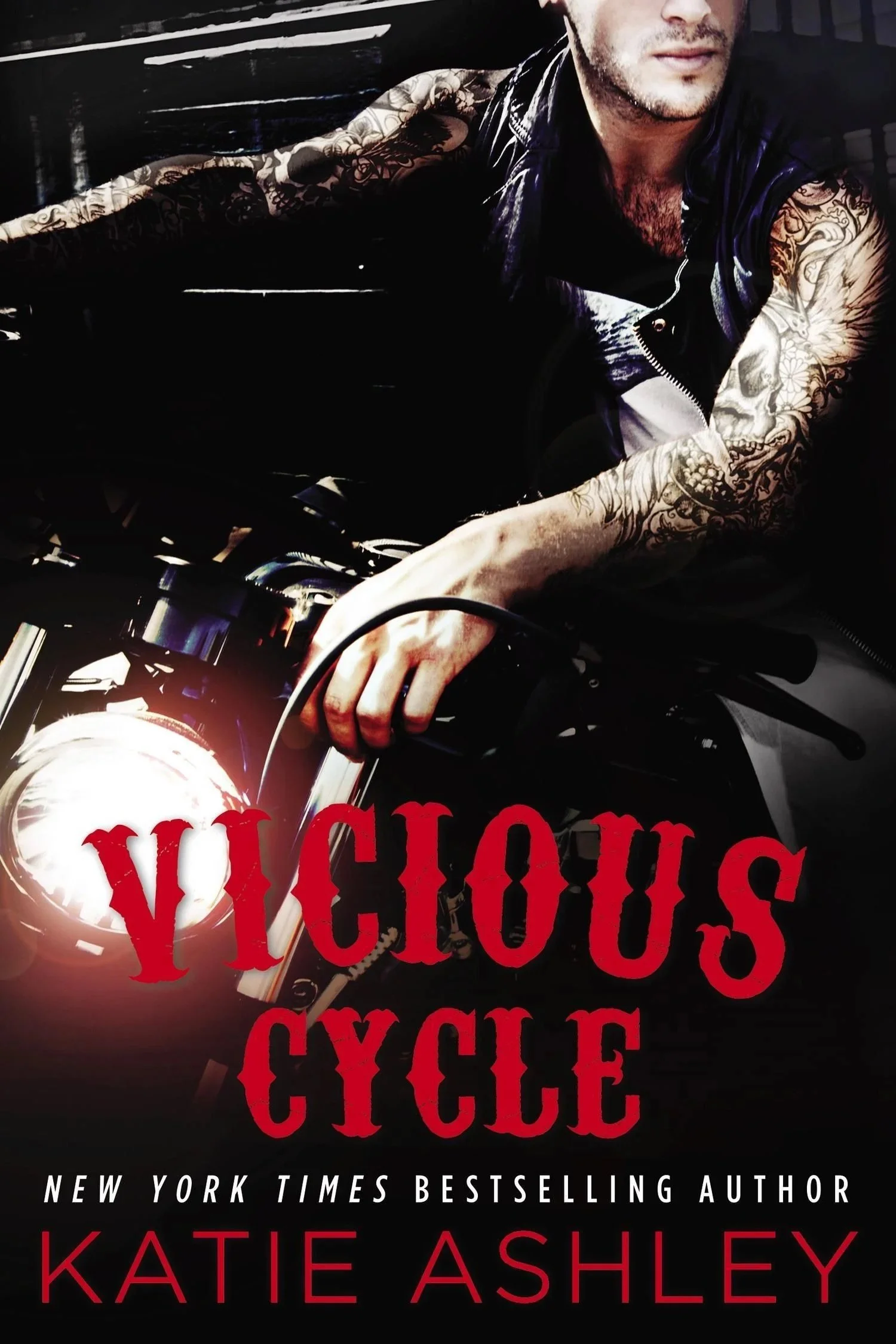
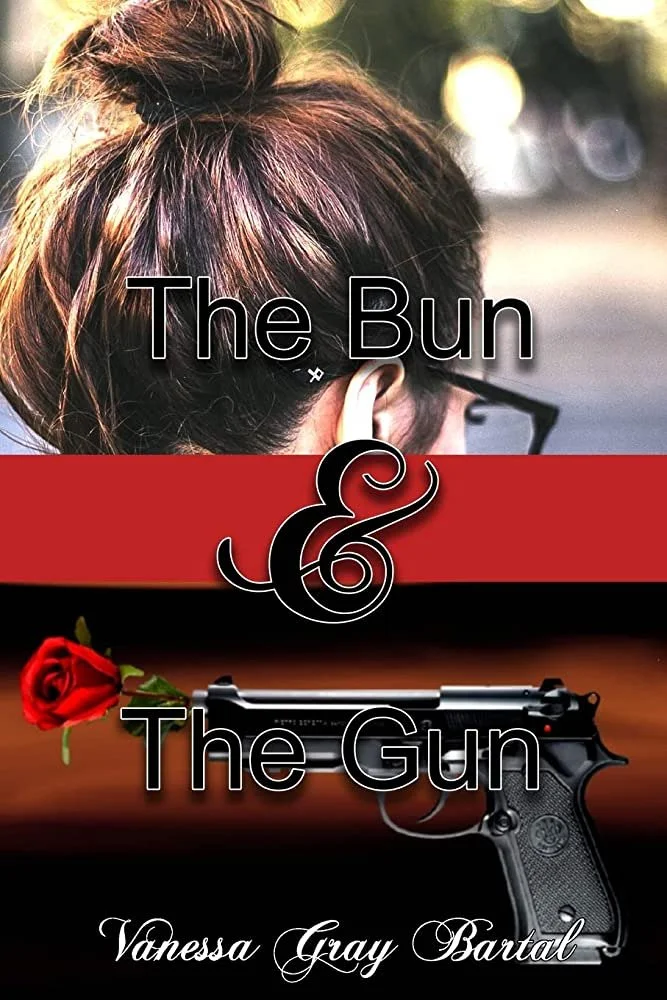
Books with Teachers and Librarians





Sponsors
Marie Blanchet, author of Skin Deep
Get it at Amazon, Kobo, or Barnes & Noble
and
Lumi Labs, creators of Microdose Gummies
Visit microdose.com and use the code FATEDMATES
for 30% off and free shipping on your order


S05.26: Dueling in Romance with Chels: Duels are Never Having to Say You're Sorry
Pistols at dawn, y’all! We’re talking about duels today — what they are, why they exist, who fights them, their rules and why they’re so darn sexy when they are really just silly. We’re taking our twenty paces alongside Chels_ebooks, one of our favorite BookTokkers, who has a longstanding love of old school romances and their covers, and a substack that you should subscribe to immediately. Of course, we’re talking TikTok, too. This one is long and fun and full of book recs, so strap in!
Notes
We are thrilled to welcome Chels, the Reigning Monarch of Bodice Ripper TikTok, to the show today. You can also follow them on twitter and subscribe to their substack, The Loose Cravat. In concert with this episode, Chels wrote an essay called Duel, Interrupted: The Underlying Homoeroticism in historical romance's favorite pasttime.
Wondering about those TikTok hit pieces we mentioned? Read the ones from British GQand London Review of Books. It’s a few years old, but this Wall Street Journal video is a great look at the mysterious TikTok algorithm and how quickly it will rabbit hole you, and a more recent piece from Vox about TikTok’s recent promises to become more transparent, and another one from The Verge about how TikTok suppresses content from disabled users.
The relationship between BookTok and bookselling is complex and difficult to parse because of the lack of transparency around book sales. Check out Where Is All the Book Data by Melanie Walsh, as well as how book-buying habits changed during the pandemic.
Deloping is bad, actually! So If you’d like to learn more about duels, Chels recommends Pistols at Dawn by Richard Hopton and The Duel: A History of Duelling by Robert Baldick. Jen recommends this article about dueling from JSTOR Daily, or this one about American dueling in the Smithsonian, which led her to the Code Duello as one example for the rules of dueling.
Speaking of moral panics, JSTOR Daily has a list of them! I told you it was a good site!
Deuling in pop culture: check out The Duelists by Ridley Scott, this famous scene from Raiders of the Lost Ark, and of course, Hamilton.
For some real historical duels, check out: The billiards balls duel, The topless lady duelers in Austria, additional ladies being badass, Humphrey Howarth the naked dueler, and Burr and Hamilton. Senator Brooks caning Senator Sumner on the Senate floor is another thing entirely.
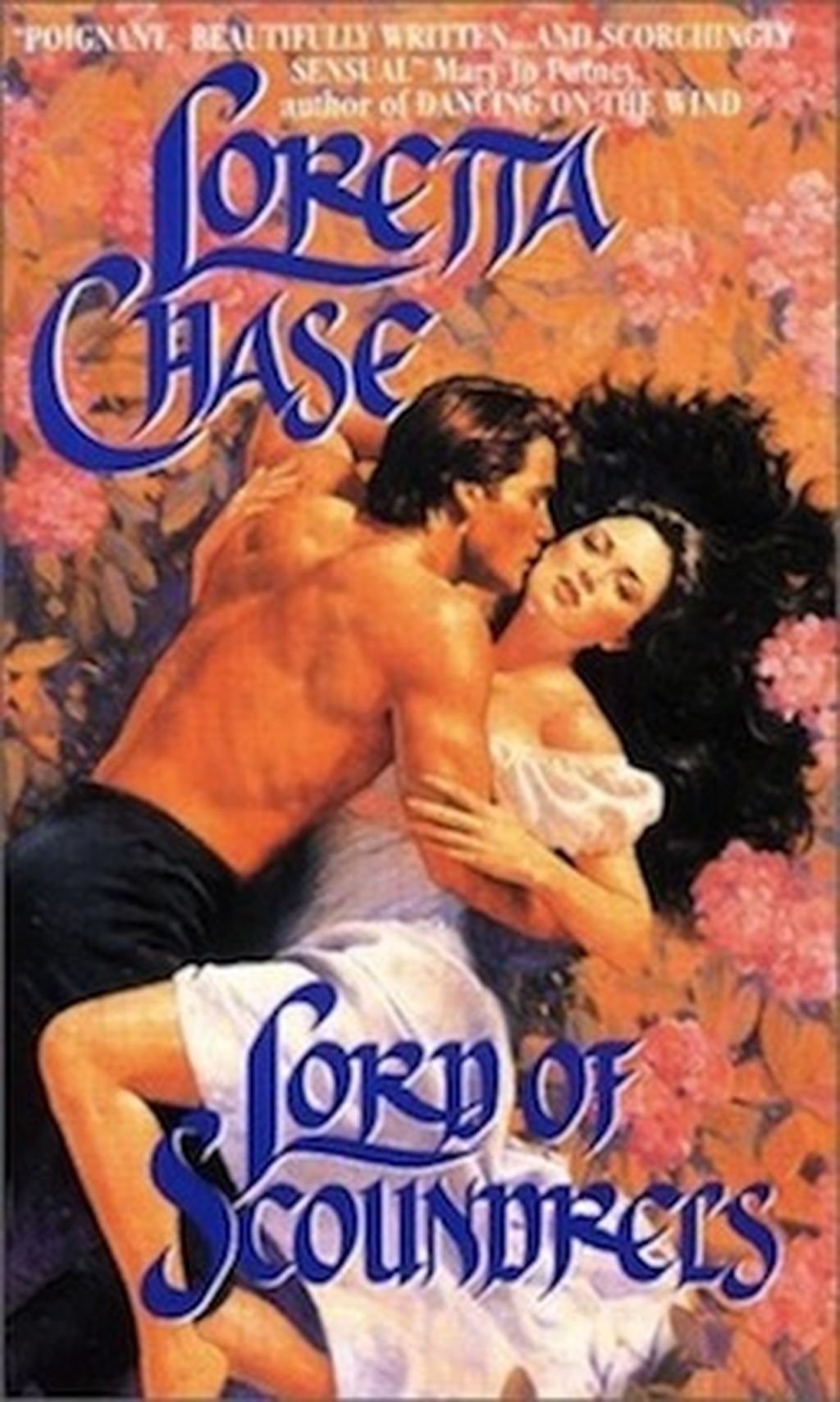
Finally, check out this page from Loretta Chase’s website which describes and links to several videos about the Singing bird pistols from Lord Lovedon’s Duel.
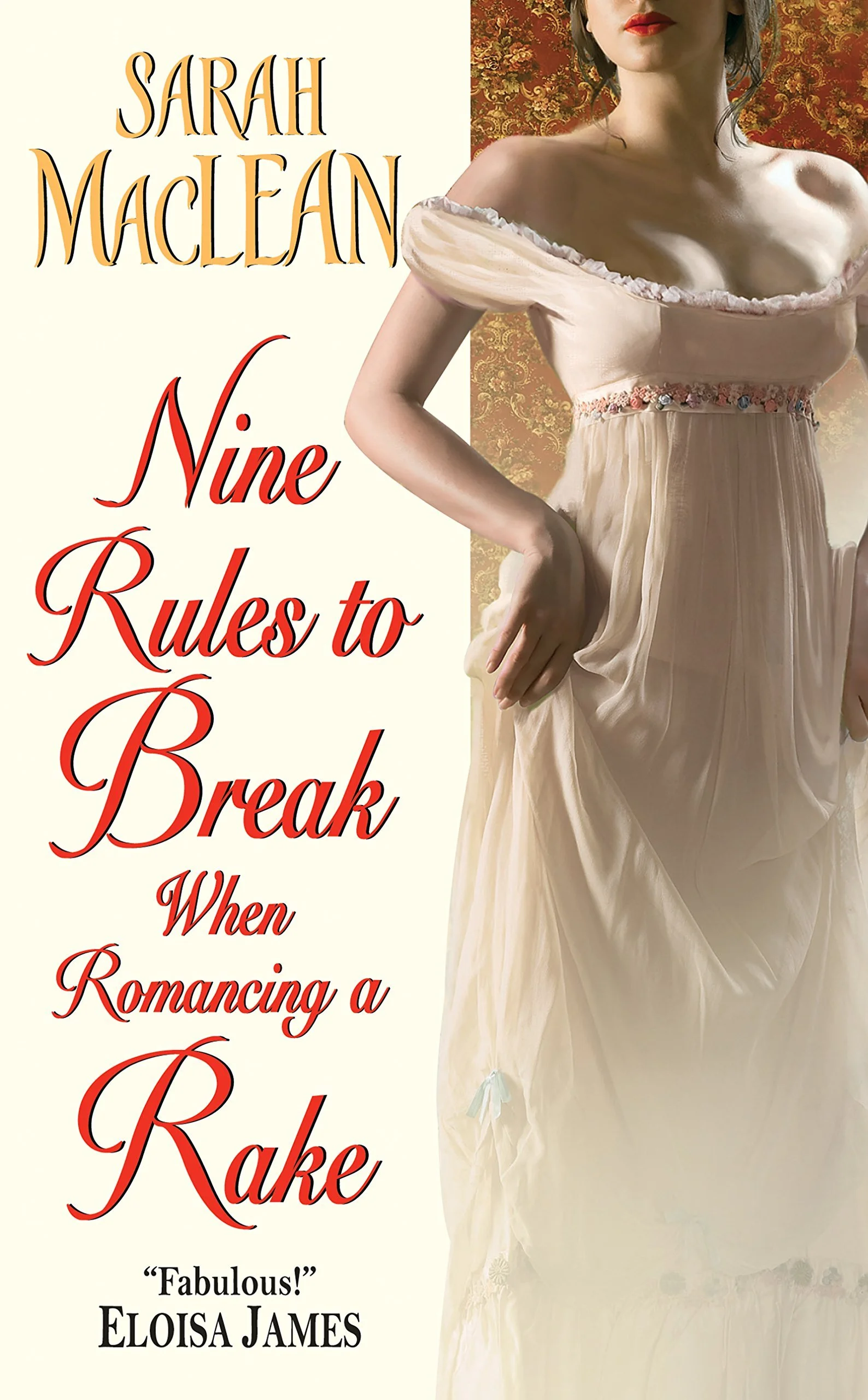
Books With Duels



Other Books Mentioned


Sponsors
Mila Finelli, author of Mafia Target
Get it now from Amazon, or with a monthly subscription to Kindle Unlimited
and
Juniper Butterworth, author of Shipwrecked: Being a tale of true love, magic & goats
Get it now from Amazon, or with a monthly subscription to Kindle Unlimited
Follow Juniper and her cheese adventures on Twitter


S05.25: Masquerades in Romance
We’re talking Masquerades! Is it the Phantom of the Opera? Is it Amadeus? Is it Jude Deveraux’s The Raider? We don’t know but man we love a masquerade in a romance novel. We talk about the 3 to 5 different types of masks in romances, about why they’re catnip, about what they mean, and recommend a full grip of romances (mostly historical) for you to read. Enjoy!
You can still get tickets to Fated Mates Live! Join us on March 24 in New York City with Tessa Bailey, Andie J. Christopher, Mila Finelli, Adriana Herrera, and Joanna Shupe! Amazing stories will be told, many laughs will be had, terrific books will be on sale, and there will be a bar! Get tickets now!
Our first read along of 2023 (soon! we promise!) is Tracy MacNish’s Stealing Midnight—we’ve heard the calls from our gothic romance readers and we’re delivering with this truly bananas story, in which the hero is dug out of a grave and delivered, barely alive, to the heroine. Get ready. You can find Stealing Midnight (for $1.99!) at Amazon, B&N, Kobo, or Apple Books.
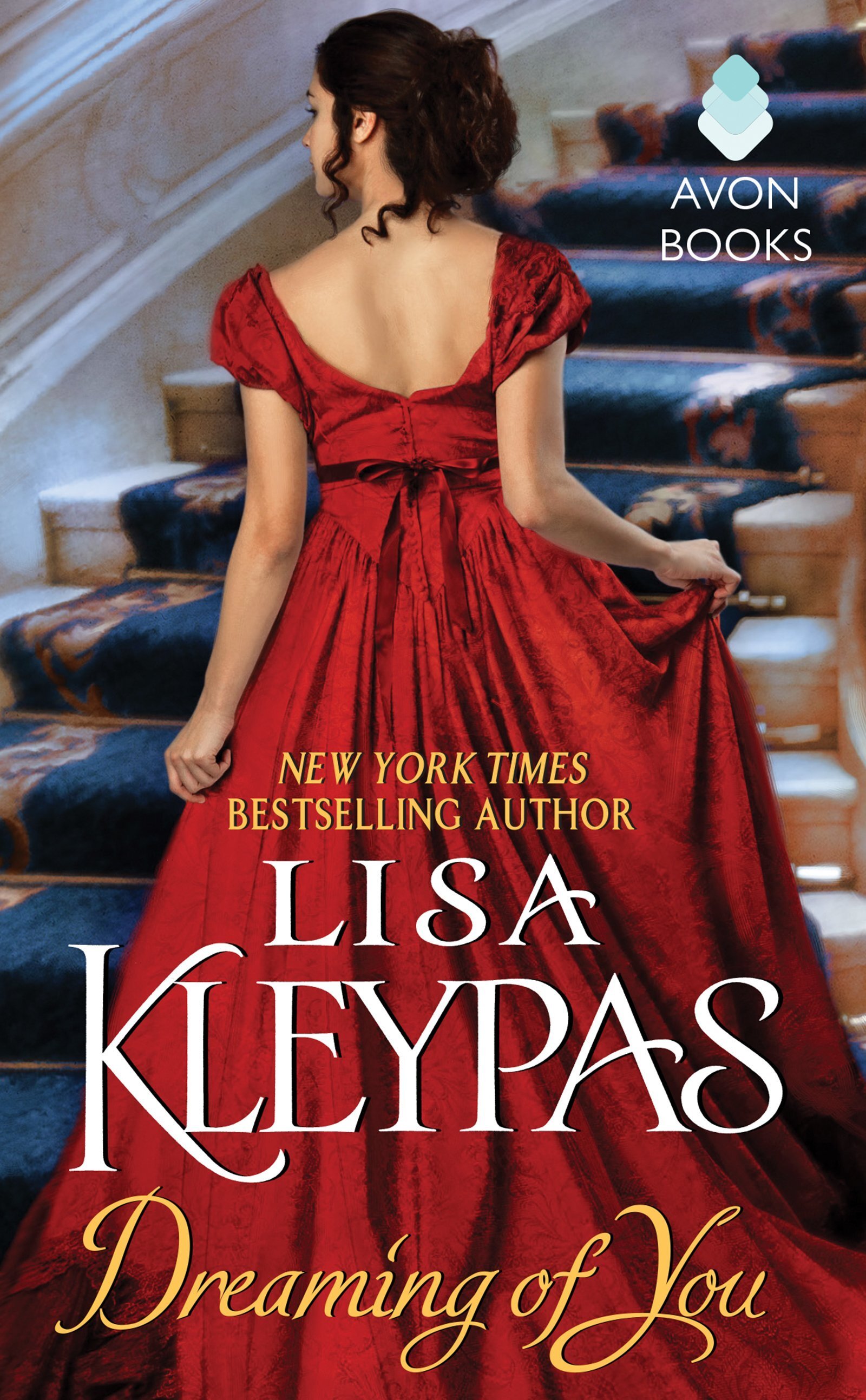
Books Mentioned This Episode


Sponsors
Cassie Mint, author of The Stranger
Get it now from Amazon, or with a monthly subscription to Kindle Unlimited.

S05.24: Technology in Romance Interstitial
It feels like you can’t turn around these days without stumbling into a story that’s a little unsettling about technology and how we’re all living our lives in this post (sort of) pandemic world. Between Twitter dramz, TikTok explosions and the rise of AI, it’s a lot. So, it’s probably to be expected that we are talking about how technology is impacting romance novels. We’re talking about texting, about FaceTime, about podcasting, and yes…even about robots. If you can use it to fall in love, there’s a romance using it…and we’re recommending a few we really enjoyed.
You can still get tickets to Fated Mates Live! Join us on March 24 in New York City with Tessa Bailey, Andie J. Christopher, Mila Finelli, Adriana Herrera, and Joanna Shupe! Amazing stories will be told, many laughs will be had, terrific books will be on sale, and there will be a bar! Get tickets now!
Our first read along of 2023 (soon! we promise!) is Tracy MacNish’s Stealing Midnight—we’ve heard the calls from our gothic romance readers and we’re delivering with this truly bananas story, in which the hero is dug out of a grave and delivered, barely alive, to the heroine. Get ready. You can find Stealing Midnight (for $1.99!) at Amazon, B&N, Kobo, or Apple Books.
Show Notes
This New York Times article called When the Novel Swiped Right doesn't mention a single romance novel, of course. But don't worry. We've got you. Sarah wrote about tech in romance back in 2019 in the Washington Post.
We are very excited about Ted Lasso season 3, which premiers on March 15, 2023. This is a very nice little teaser is a masterclass in character work, but here’s the trailer.
Also in the New York Times, this creepy article about interviewing the Microsoft Bing AI. Maybe that thing has love on the brain because Microsoft fed the AI a bunch of romance novels at some point. Seems legit. But then this New Yorker article came out and said that ChatGPT is just like a blurry jpeg, so everyone calm down.
Match.com was invented in 1995, but it was the invention of the dating app a decade ago in 2013 that really changed the game. And if you’re famous, you can get on Raya.
Kevin Costner is relevant again! Everyone, time to reread Perfect.
The pager situation was wild, but Sky Pager is a truly great song by A Tribe Called Quest, off of The Low End Theory, one of Jen’s all time favorite albums. Poet Hanif Abdurraqib has written an entire book about A Tribe Called Quest called Go Ahead in the Rain for the fans out there.
Watch this cute video about the guy who built a house for the frog living on his fence. And when it comes to the internet, cats rule and dogs drool.
Books Mentioned This Episode


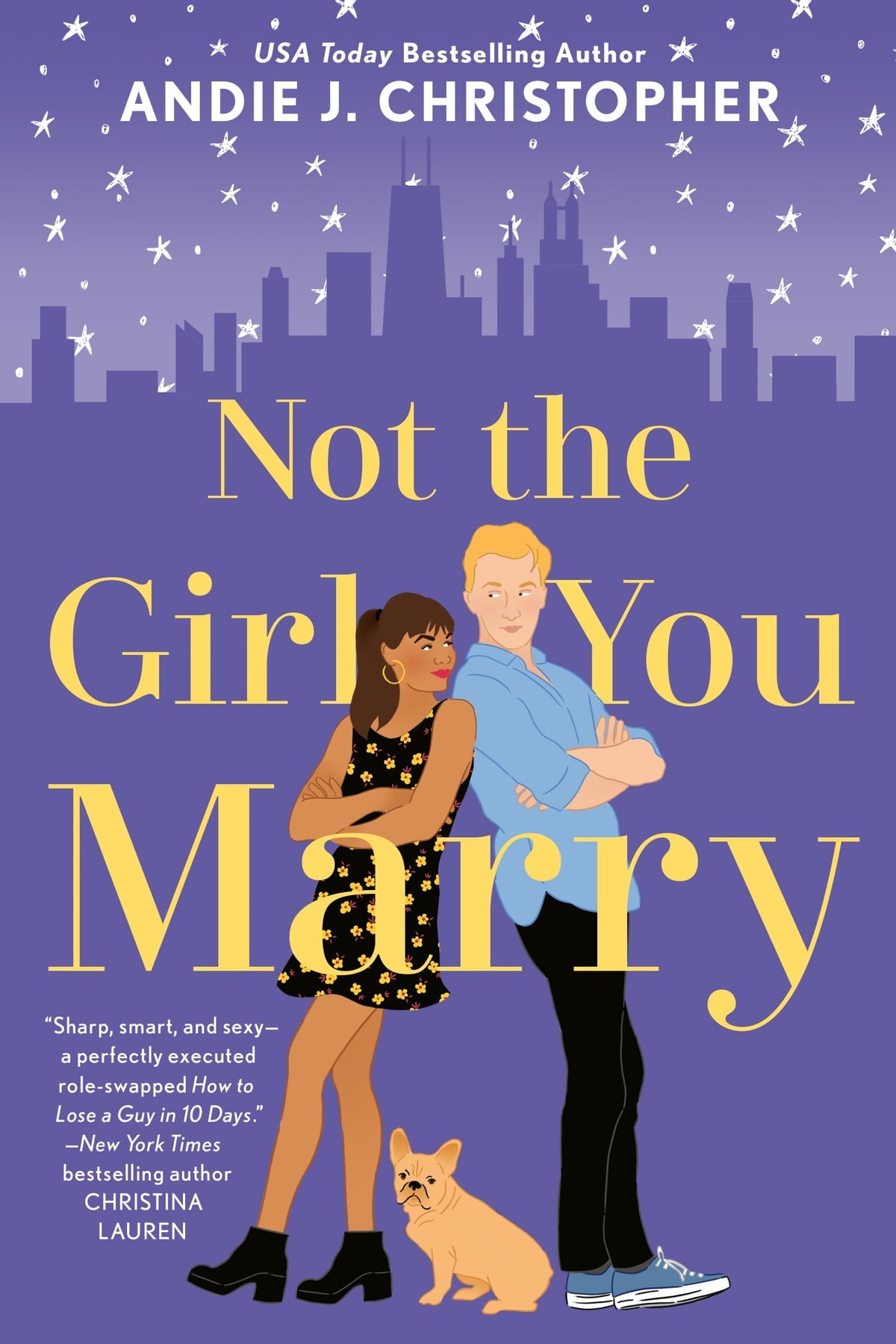


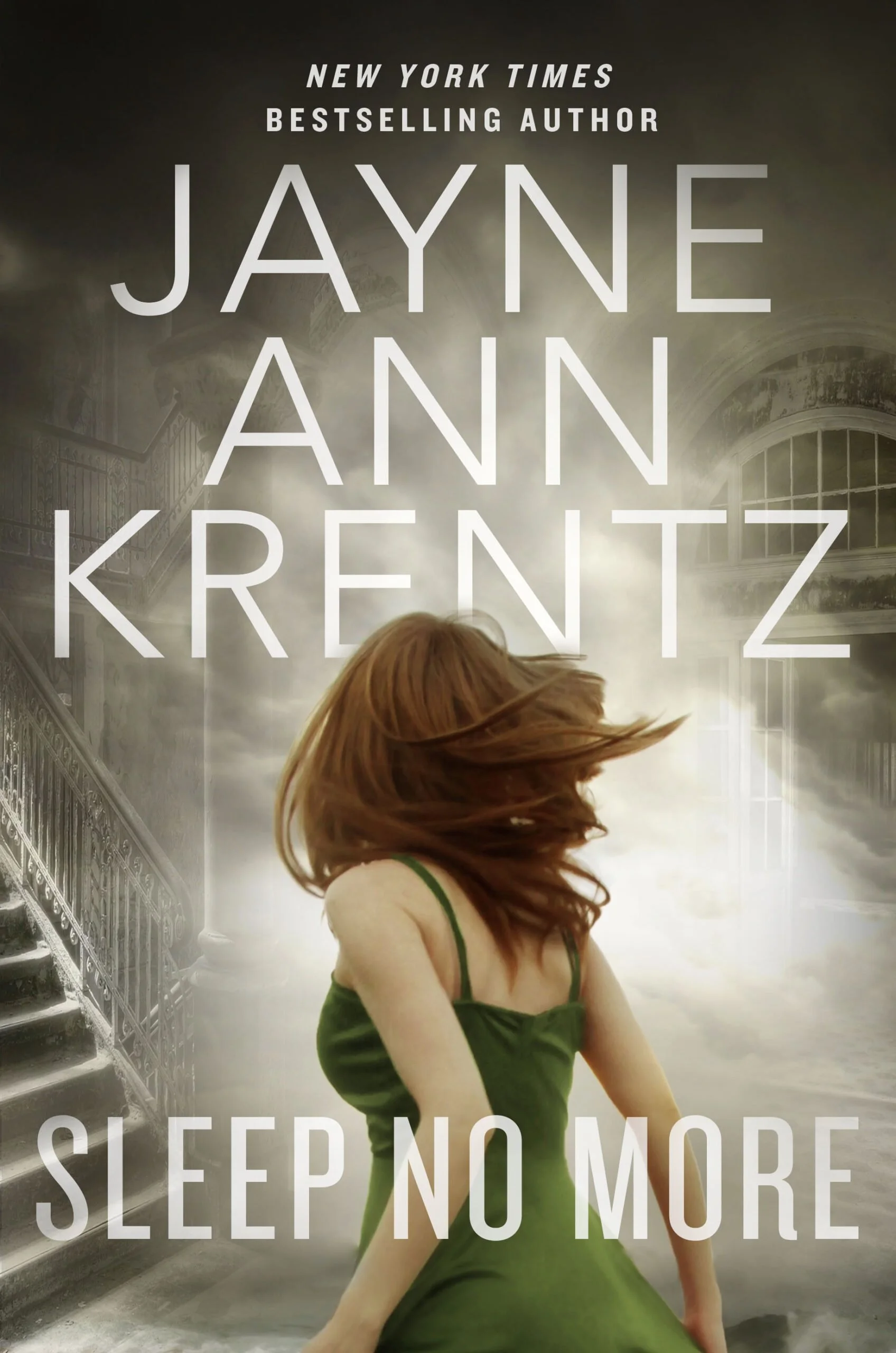


Sponsors
Jo Brenner, author of You Can Follow Me
Get it now from Amazon, or with a monthly subscription to Kindle Unlimited.
and
Lumi Labs, creators of Microdose Gummies
Visit microdose.com and use the code FATEDMATES
for 30% off and free shipping on your order


S05.23: Books We Wish We Could Read Again for the First Time
Every once in a while, we decide we’re going to do an episode about books we just really really really like. Books we want you to really really really like. Is that episode usually in February? Does it coincide with Sarah’s book deadline? Don’t worry about it. This one is for the bantr girlies. We’re talking about books we loved so much on the first read that we wish we could reread them again for the first time. Please let us know if you try reading any of them for the first time…and when you do, tell us on Instagram and Twitter. Or Tumblr, where Eric is making fun new friends.
The Books


Notes
The ReadsRomance family loves Toronto and we where there one year when it was so cold the the falls were kind of frozen? Science! Speaking of the Great Lakes, Lake Michigan is really big, and if you’re around in Milwaukee in the summer, you definitely want to check out SummerFest.
Do you say lightning bug or firefly? This is really fun dialect quiz if you’ve never taken it before.
Jen reallllllly wants to go see this exhibit about the Mayans at the Metropolitan Museum of Art, especially since she missed this one about the Mayan Codex at The Getty Museum in Los Angeles.
If you are ever at the Art Institute, you can check out American Gothic, Nighthawks, and Nightlife by Archibald Motley—all in one room!
I don’t know, invest in an art fund, I guess.
Should we plan a Fated Mates outing to The Museum of Sex?
Sponsors
Dani Collins, author of The Prospectors Only Prospect
Preorder it now from Amazon, Barnes & Noble, Kobo, Apple Books and your local indie.
visit Dani Collins at danicollins.com
and
Carly Lane, author of The Regency Guide to Modern Life
Preorder it now from Amazon, Barnes & Noble, Kobo, Apple Books and your local indie.
find Carly Lane on Twitter


S05.22: Trailblazer K.J. Charles
Today, we’re welcoming KJ Charles to Fated Mates for our next Trailblazer episode! Known for her work helping to bring queer historical romance to the modern genre, KJ joins us to discuss historical romance, how it remains relevant in the modern world, her work centering queer characters and communities in romance, and the start of her romance career as an editor of Mills & Boon medical romances. We also talk about the arc of her career through early small press publishing, indie publishing, and now, as a traditionally published author.
We hope you enjoy this conversation as much as we did, and we are so grateful to KJ Charles for joining us.
Thanks to Kylie Scott, author of End of Story, and Lumi Labs, creators of Microdose Gummies, for sponsoring the episode. Visit microdose.com and use the code FATEDMATES for 30% off and free shipping on your first order.
Notes
K.J. Charles is a RITA nominated author of over 25 historical romance novels. You can preorder her upcoming novel, The Secret Lives of Country Gentlemen, which will be released on March 7, 2023. KJ worked as an editor at Mills and Boon, and her blog is an excellent source for romance readers and writers.
If you're looking for the "romance with a body count" infographics, click here.
Authors mentioned: Mills & Boon author Alison Roberts, Mills & Boon author Marion Lennox, author Jordan L. Hawk, author Alexis Hall, author Talia Hibbert, author May Peterson, author Jackie Lau, author EE Ottoman, author Penny Aimes, author Kris Ripper, author Therese Beharrie, author Jeannie Lin, editor Anne Scott.
Don’t miss our Band Sinister episode from last December.
Books Mentioned


Sponsors
Kylie Scott, author of End of Story
Get it at Amazon, Barnes & Noble, Apple Books,
Kobo or at your local indie bookstore
visit Kylie Scott at kyliescott.com
and
Lumi Labs, creators of Microdose Gummies
Visit microdose.com and use the code FATEDMATES
for 30% off and free shipping on your order


KJ Charles 00:00:00 / #:
There's historical romance that just have only the vaguest relationship to the actual history of Britain. There's historical romance that gets really down and dirty, intimate, and where the author has really delved into it. And although I prefer the second kind, but I don't think the first kind should be dismissed, because it is doing something else. I don't think every historical romance needs to go, "But there was only 28 Dukes, and most of them had syphilis and no teeth, and everyone's got lice." I don't want to read books where everyone's got lice. If I want lice, I'll have young children again.
00:00:34 / #:
I would rather read a book where they just sort of throw their hands up and just go, okay, we're Heyer-ing the hell out of this. Because actually, Georgette Heyer, although she did loads of research and everything, when she actually did the bits that are really historically grounded, which is to say An Infamous Army and the other... But they're awful. They're so boring. They're dreadful. Nobody reads them. Nobody wants to read them.
00:00:54 / #:
The sort of glittery, ball-y, wonderful, romance-y ones, we love them. And it is good that people do that. And I think there is space for both. This is actually something I'm struggling with at the moment, because, like a fool, I've been trying to write a duke book. Fundamentally, my problem is, and this really does cut quite deep into the fact that I write historical romance, is that I sort of feel like the entire aristocracy should have been executed.
Sarah MacLean 00:01:22 / #:
That was the voice of KJ Charles, an author who helped establish a place for queer historical romance in the modern genre. Writing, as she describes her work, "Heyer, but gayer." In this trailblazer episode, we talk about KJ's writing, about the way she views the historical romance genre, about building communities of queer people on page, and about her work as a romance editor back in the day for Mills & Boon.
00:01:49 / #:
You are listening to Fated Mates. I'm Sarah MacLean. I read romance novels and I write them.
Jennifer Prokop 00:01:54 / #:
And I'm Jennifer Prokop, a romance reader and editor. Although I might not want to call myself that today because KJ Charles was a real romance editor, and I'm just going to be like, okay, well, I-
Sarah MacLean 00:02:04 / #:
Listen, you just have 19 more years to go.
Jennifer Prokop 00:02:09 / #:
Hire me, Mills & Boon, so I can feel real.
Sarah MacLean 00:02:11 / #:
Oh, my God, imagine. What a good job. What a fun job.
Jennifer Prokop 00:02:16 / #:
Just editing presents all the time.
Sarah MacLean 00:02:18 / #:
The dream.
Jennifer Prokop 00:02:20 / #:
The literal dream. Yes.
Sarah MacLean 00:02:21 / #:
Anyway, but before we get there, we have something else. We have a little housekeeping for everyone. In case you didn't download our quick six-minute episode last week, Fated Mates Live is happening in person in Brooklyn, New York.
Jennifer Prokop 00:02:37 / #:
The best borough of New York City, obviously.
Sarah MacLean 00:02:41 / #:
March 24th at 7:00 PM. We suggest you call up all your romance loving friends and make a weekend of it. The 24th is a Friday. March is a great time to come to New York City because it's maybe a little gray but not super cold, and it'll be very fun. You can go to a museum, you can go to a show, you can come see us. The tickets include a gift certificate to the romance book table sponsored by WORD bookstores in Brooklyn. There will be a bar, there will be lots of other Fated Mates listeners to make friends with. And Jen, and me, and a really delightful spate of special guests, many of whom you all know already.
Jennifer Prokop 00:03:25 / #:
It's been really exciting to see people on Instagram and Twitter talking about getting their friends together and buying tickets, and arranging to come into the city for the weekend.
Sarah MacLean 00:03:35 / #:
Put on a mask, get on an airplane or a train, and come see us. Fatedmates.net/live
Jennifer Prokop 00:03:42 / #:
And now that, that's off the table. Without further ado, here is our conversation with KJ Charles.
Sarah MacLean 00:03:51 / #:
Well, thank you so much for joining us. I'm so excited. I don't think we've ever met.
KJ Charles 00:03:56 / #:
Not in person. I think we've been on panels, but this is a proper face to face, so that's nice.
Sarah MacLean 00:04:02 / #:
It's great. It's nice to meet you. It's nice to see your face.
KJ Charles 00:04:06 / #:
Yes, you too.
Jennifer Prokop 00:04:07 / #:
So everybody, as we've mentioned, I'm really excited about our conversation today because I have also hosted a few panels with KJ, and I love listening to you talk about romance. And I'm really excited because you were also an editor, which is a personal interest to me. Not that it's about me, everybody. So we are really excited to have you today on as a trailblazer. And really, one of our first questions, just because we love hearing about it, is, what was your journey to romance?
KJ Charles 00:04:38 / #:
Well, my mother had a complete set of Georgette Heyer's, which is basically, you know-
Sarah MacLean 00:04:43 / #:
That'll do it.
KJ Charles 00:04:44 / #:
Yeah, I'm an immensely fast reader and a voracious one, and I always have been. One of those kids who just sat in the library all summer, and I read extremely quickly. So I was planning to read all of my parents books. They had to remove all the inappropriate ones from the shelves, kind of thing. And so yes, I'd read through the entirety of Georgette Heyer, and obviously formative. I was thinking about it and, basically, Cotillion and These Old Shades pretty much sum up the two strands of my writing. In Cotillion, you've got Freddy, who is this wonderfully... Yeah, not too bright, wonderful, generous hearts, immensely kind, and also the superpower of really, really good manners to be deployed accurately. And then you've got Avon in These Old Shades, who's basically just a completing amoral son of a so-and-so. So yeah. And those two basically sum up most of my writing. Although, I was also reflecting that Georgette Heyer, or her era, and with the proviso of the kind of person she was and the many prejudices she had. But there's an awful lot of queerness in Georgette Heyer's historical romances.
00:05:56 / #:
In The Reluctant Widow, the actual hero, who isn't the guy who marries the heroine, is very, very heavily queer-coded. In the Corinthian, you've got the heroine who is masquerading as a boy, and the fact that the bad guy effectively hints that he's going to blackmail the hero for having taken off the boy in private, et cetera, et cetera. So there's very strong awareness of non-conventional sexuality. And then The Masquerades is just the most ridiculous cross-dressing, gender-bending. So there's a lot of that in Heyer. So yeah, it's [inaudible 00:06:31 / #], definitely. And then I kind of didn't follow up my intro. I was more of a fantasy reader, to be honest. But when I was, gosh, about 28 or so, I got a job at Mills & Boon. Which to be honest, I took because I was working at an absolute disastrous company for a lunatic, and I needed to get out of there, and Mills & Boon happened to be advertising.
Sarah MacLean 00:06:55 / #:
Take the rope that comes.
KJ Charles 00:06:57 / #:
It was very much take the rope that comes. I wanted a job that would mean not having to go into that snake pit, and they wanted an editor. And I stayed there for years. And everything I learned about editing really came from there.
Sarah MacLean 00:07:11 / #:
When you started at Mills & Boon, aside from Heyer, did you have any frame of reference for what was going on in romance?
KJ Charles 00:07:19 / #:
Not really, no. I hadn't been reading any romance at all. Well, the thing is, because of being an editor, I actually mostly concentrated on reading what I was working on. So when I worked at a travel guide company, I would be reading non-fiction, or fiction, but set in the country for the travel guide I was working on. And then I moved to a house that was doing politics and history, which I read an awful thought of that. So I wasn't actually reading romance at that time. So Mills & Boon came as a complete change of track, but it was just so much more fun. So much more fun.
Sarah MacLean 00:07:58 / #:
What did you begin with at Mills & Boon?
KJ Charles 00:08:00 / #:
They plunge you right into it. Basically, I was on the medical team, the medical romance team.
Sarah MacLean 00:08:06 / #:
And we haven't talked a ton about medical romances on the podcast.
KJ Charles 00:08:10 / #:
Oh see, I love that.
Sarah MacLean 00:08:12 / #:
It's a very English world, the medical romance.
KJ Charles 00:08:15 / #:
A lot of our top authors were Australians.
Jennifer Prokop 00:08:18 / #:
They seem Australian to me more than-
KJ Charles 00:08:19 / #:
Yeah. Well no, it pretty much divided English, Australia. I can't, offhand, think of an American, in fact.
Sarah MacLean 00:08:24 / #:
I did not grow up with medical Romances. And, I mean, I read all of them.
KJ Charles 00:08:29 / #:
They were not the big one, but it was a good team. I like working on it.
Jennifer Prokop 00:08:35 / #:
Listen, Sarah, we grew up with George Clooney on ER though.
Sarah MacLean 00:08:38 / #:
I know.
KJ Charles 00:08:38 / #:
Well, yeah.
Sarah MacLean 00:08:40 / #:
I mean, that's not to say that I don't love a doctor romance, and that's a separate episode.
KJ Charles 00:08:44 / #:
But we had some fabulous... So we had Alison Roberts, who was actually a paramedic, who wrote such exciting story, really exciting. She did one, which is set, there was a big earthquake and then there were full stories set round. It was a wonderful sort of linked series, all starting from the earthquake. Terrific. So good to work on. And she did another trilogy that basically tracked over the progress of one person's pregnancy, for which I had to do the worst Excel spreadsheet in the world. We had to make sure, these three books, every single incident all tracked this one pregnancy. Ah, well, shoot me. But it had Marion Lennox as well, who is a wonderful one. She divided between what we called, we called it tender romance then, which I think is just... What do you call it? harlequin romance?
Jennifer Prokop 00:09:26 / #:
Heartwarming?
KJ Charles 00:09:27 / #:
Yeah, it was just harlequin romance.
Jennifer Prokop 00:09:28 / #:
Just harlequin romance.
KJ Charles 00:09:29 / #:
Yeah. Opposed to harlequin presents. They've probably changed the name about 15 times since then. But Marion Lennox, she was one of my favorite authors to work with. But she wrote the... And this has become kind of quite formative for me because it was a book of hers, I actually looked it up yesterday, it's called Bushfire Bride. And it's one of those, the heroine's got a husband who is in a coma, and has been in a coma for eight years. And there's a sequence where she basically says goodbye to him. And yeah, I'm literally editing this manuscript-
Jennifer Prokop 00:09:58 / #:
I'm crying already.
KJ Charles 00:09:59 / #:
Well, this is back in the day when you edited by hand. You literally had a printout and you made the edits by hand to be input by the copy editor, because that's how old I am.
Sarah MacLean 00:10:09 / #:
Me too.
KJ Charles 00:10:10 / #:
I was literally crying so hard while I was reading this, that the copy editor was like, "You're going to have to redo this page."
Jennifer Prokop 00:10:19 / #:
Your tear stained pages.
KJ Charles 00:10:20 / #:
Literally tear stained. I mean, God, she absolutely [inaudible 00:10:23 / #]. I can't. In fact, I didn't have to look it up too much. I was thinking, what was that book called? And Bushfire Bride came into my head. And that was 20 years ago, easy 20 years ago. Amazing. So yeah, that was it. But it was formative because I delved a lot. We did a lot of books. The turnover there was absolutely crazy. Although I was mainly on medical team, everyone worked across all four. So this historical, harlequin presents, medical, and tender. That's right. So you worked across them and you got given... And if an editor or author got absolutely sick of one another, you might get them switched in.
00:11:06 / #:
Plus, I was very fast. So people tended to give me an extra manuscript when there was a panic on, which there almost always was.
Jennifer Prokop 00:11:12 / #:
Sure.
KJ Charles 00:11:12 / #:
Well, you couldn't have a book come in late, because of the nature of the publishing. And then if everything did fall apart, you had to delve into the slush pile and actually pull out a finished manuscript, and find out a way to make it publishable within the next week.
Sarah MacLean 00:11:26 / #:
Amazing.
KJ Charles 00:11:28 / #:
Well, you learn to edit. I tell you what, you learn to edit like that, it's the most fantastic grounding and structural editing. Because you have to be able to pretty much look at the slush pot manuscript and say, "Okay, it's got totally good bones, the writing's a bit junky, but if the author will agree to basically let me do a really massive edit on it, this will work." Or alternatively, "This isn't working at all, but here is a thing that I can tell the author to do. And if they do it, that will work." But you've got to be able to pretty much x-ray the book, and look at the structure, and identify what will work and what won't.
Sarah MacLean 00:12:02 / #:
Well, especially because in category there's no flab. I mean, you don't have any space to mess up.
Jennifer Prokop 00:12:10 / #:
It's all bones and muscle. Yeah.
KJ Charles 00:12:11 / #:
Yeah. It's really something. There was weeks when I did six manuscripts in a week, kind of thing, which is insane. But like I said, if you were publishing eight presents in a month, you can't publish seven presents. It doesn't work like that.
Sarah MacLean 00:12:27 / #:
Right.
KJ Charles 00:12:28 / #:
You have to deliver eight presents.
Sarah MacLean 00:12:30 / #:
People have signed up for their box. Right.
KJ Charles 00:12:32 / #:
Well, yeah, exactly. It's completely nonnegotiable. So I honestly think I couldn't have had a better training in fiction editorial. Because it was so fast and so relentless, and you had to be really super practical.
Sarah MacLean 00:12:47 / #:
So at what point during that process did you think, "I'm going to start doing this myself?" Is that how it went?
KJ Charles 00:12:57 / #:
So when I was there... Well, see, I didn't really. I've always had it vaguely in mind that it would be nice to write, or indeed to have written a book. When I was there, they very kindly let me go off for four months and work from home in Japan. And this is, as I said, 20 odd years ago. So that was a really pretty advanced thing for them to do. My husband, my then boyfriend, was doing stuff in Japan, and we lived there for four months. So I did use some of my free time to start writing then, but it wasn't a romance. I wrote a fantasy novel, which has never been published, nor should it be. And then I wrote a thriller, which was picked up by Samhian, and sold about 12 copies, properly, deservedly. But it didn't occur to me to write a romance at all. I mean, it just never... Partly, I think, actually trying to write romance while you are working at Mills & Boon might actually be a really, you really bad idea.
00:13:54 / #:
Your head might explode. Yeah, I couldn't recommend that, I don't think. So it was quite a long time, actually, after I had left. And then I got married about a year later. And then about a year after that I had a baby. And I started writing when the baby was quite small, because you're trying to stay sane. It was supposed to be a fantasy novel. But at that point, with all the years I'd worked with Mills & Boon, basically, romance had coded... My neural pathways are like valleys. My neural pathways are carved so deeply into my brain. But it just turned into a romance. And that was The Magpie Lord, which was my first published book, my first romance. And once I just leaned into it, it just felt like the most natural thing in the world to do it. So there we are.
Jennifer Prokop 00:14:51 / #:
It sounds like you mostly edited contemporary romance. So what was the draw for you to historical romance or queer romance? Did one of those come first in your brain in terms of the kind of story you wanted to write?
KJ Charles 00:15:04 / #:
I'm always more interested in historical. The thriller that I wrote was an attempt at contemporary, and I hated everything about it. Because I'd live under a rock, I don't like modern technology, and it dates so badly, so quickly. And mobile phones ruin everything, because you set up this whole drama, and all [inaudible 00:15:26 / #] just phone up and go, "Oh yeah, this is what's going on." And you've ruined everything. And then you've got to find a reason for them not to have a mobile. So yeah, historical, obviously where it's at. And also, I like the differences. I like doing the research, and I like writing about different times and different people in different places. The similarities and differences are just much more interesting to me. So although I didn't read many, I didn't edit, rather, many historicals at Mills & Boon, because we only did four a month, and they had a historicals team. So I had one or two authors. But no, it's always been what I wanted to write. And the other thing is I'm very pulp focused. A lot of what I write is sort of riffing off the pulp of the Victorian, and Edwardian, and sort of 1920s period, because I just really enjoy that. And I enjoy picking that up, and running with this, and messing about with it. And often, queering it, because as anyone who plays with Victorian to 20th century pulp will tell you, it's just absolutely ripe for that. There's a fun, it's fun. Yeah.
Jennifer Prokop 00:16:37 / #:
Gosh, it's so fun. I feel like that's the thing I really love about your books. There was one, and I'm terrible with titles, where he was a taxidermist. Is that right?
KJ Charles 00:16:50 / #:
Yes. An Unseen Attraction.
Jennifer Prokop 00:16:52 / #:
Yes. And I was seriously like, "Why am I really interested in this right now? Why is this such a great time?"
KJ Charles 00:16:58 / #:
I loved doing that though. It wasn't actually what it was meant to be. I pitched the publisher something completely different, but then I couldn't write the thing I pitched to the publisher, it turned out to be a terrible idea. And I can't even remember now why taxidermist struck me as a good idea. It's one of the most fun books I've ever read. I did this deep dive into Victorian taxidermy. I've got the most extraordinary books on my bookshelf. But I had a whole sequence where he actually taxidermy's a canary just because it was so fascinating to me. I was about inches, literally inches, from going and finding someone who would teach me to do it myself.
Sarah MacLean 00:17:33 / #:
Well, that's the best part, that you can convince yourself. I always feel like writing historical also gives you... It's really best for procrastinators, because then we can sort of go off and convince ourselves that learning how to taxiderm is actually work.
KJ Charles 00:17:47 / #:
It's totally what you should be doing.
Jennifer Prokop 00:17:49 / #:
You had to learn to pick a lock to write that book, Sarah.
Sarah MacLean 00:17:51 / #:
I learned to pick a lock to write a lock pick.
KJ Charles 00:17:53 / #:
That's so cool.
Sarah MacLean 00:17:53 / #:
I mean, it did become very useful when I had to open my mother's cheap safe.
KJ Charles 00:17:58 / #:
Okay, that's fantastic.
Sarah MacLean 00:17:59 / #:
And I'd never felt more powerful.
00:18:05 / #:
This week's episode of Fated Mates is sponsored by Kylie Scott, author of End of Story, a new book out this week.
Jennifer Prokop 00:18:12 / #:
We love Kylie Scott here at Fated Mates, and this one sounds like a banger.
Sarah MacLean 00:18:17 / #:
Ugh. She's so great.
Jennifer Prokop 00:18:19 / #:
So here's the story. Susie Bowen inherits a charming fixer up from her aunt. And so she is really excited. She's going to do the whole HGTV scene and revamp the whole thing.
Sarah MacLean 00:18:30 / #:
Perfect.
Jennifer Prokop 00:18:31 / #:
The book starts with a knock on her door. Her contractor has arrived and-
Sarah MacLean 00:18:35 / #:
Is he hot?
Jennifer Prokop 00:18:37 / #:
He's hot. His name's Lars. That's real hot. Unfortunately, Lars is her ex's best friend. And her ex is a real dirt bag. And Lars saw their whole humiliating, public breakup. And Susie just is like, oh God.
Sarah MacLean 00:18:53 / #:
No. What am I going to do?
Jennifer Prokop 00:18:55 / #:
This is awful.
Sarah MacLean 00:18:55 / #:
But she needs a contractor.
Jennifer Prokop 00:18:57 / #:
She does. And Lars is available, thank goodness. So I think she's just going to have to lean into it.
Sarah MacLean 00:19:02 / #:
Even if it's pity contracting.
Jennifer Prokop 00:19:04 / #:
It's fine, whatever. Here's the part that's great. He is tearing down some wall, and they find a divorce certificate hidden in the wall that is dated 10 years in the future and has both of their names.
Sarah MacLean 00:19:19 / #:
What?
Jennifer Prokop 00:19:20 / #:
Right. What's going to happen?
Sarah MacLean 00:19:21 / #:
Wait, why? What?
Jennifer Prokop 00:19:23 / #:
You, and Lars, and Susie are going to have to discover it all together by downloading and reading this book.
Sarah MacLean 00:19:29 / #:
I mean, as though I wasn't going to download and read this book anyway.
Jennifer Prokop 00:19:32 / #:
Of course.
Sarah MacLean 00:19:33 / #:
No matter what it was about. Because Kylie's amazing. But this is such a cool idea. I'm going to read it immediately.
Jennifer Prokop 00:19:39 / #:
Exactly. Have a great time, everybody. You can find End of Story anywhere eBooks are sold, in audio or in print.
Sarah MacLean 00:19:46 / #:
Thanks to Kylie for sponsoring the episode.
00:19:51 / #:
One of the things that Jen and I have been talking about a lot recently, there's a woman who is on TikTok and also Twitter, and her handle is baskinsuns. And she's been talking a lot about how, in her mind, historical is really more like speculative fiction than it is...
Jennifer Prokop 00:20:11 / #:
Historical fiction.
Sarah MacLean 00:20:12 / #:
Historical fiction. Historical romance is more like speculative fiction than historical romance is like historical fiction. And I think this is a really fascinating way of thinking about the genre. And I wonder how that strikes you.
KJ Charles 00:20:25 / #:
I think there's very definitely strands of it. I mean, you've got the Bridgerton, the TV series, for example.
Sarah MacLean 00:20:33 / #:
Right.
KJ Charles 00:20:35 / #:
But I mean, why not? Well, okay, actually, we could debate this one for hours, and people already have. So I'm not going to go into that. But on the face of it, you could look at that and literally just go, okay, this is a fantasy version where a large number of the aristocracy are people with color, and why should you not do that? Why is that not a good thing to do? Then there's historical romance that just does have only the vaguest relationship to the actual history of Britain. And there's historical romance that gets really down and dirty, intimate, and where the author has really delved into it.
00:21:16 / #:
And although I prefer the second kind, but I don't think the first kind should be dismissed, because it is doing something else. But maybe looking at the historical fantasy without magic would almost resolve that argument. If you see what I mean. Because it is trying to do something else. I don't think every historical romance needs to go, "But there was only 28 Dukes, and most of them had syphilis and no teeth, and everyone's got lice." I don't want to read books where everyone's got lice. If I want lice, I'll have young children again.
Jennifer Prokop 00:21:49 / #:
Yeah, I don't want to read any books where there's any lice, actually.
KJ Charles 00:21:52 / #:
Exactly. I would rather read a book where they just sort of throw their hands up and just go, okay, we're Heyer-ing the hell out of this. Because actually, Georgette Heyer, although she did loads of research and everything, when she actually did the bits that are really historically grounded, which is to say An Infamous Army and the other... They're awful. They're so boring. They're dreadful. Nobody reads them. Nobody wants to read them.
Sarah MacLean 00:22:13 / #:
No. It's much more fun to read her making things up.
KJ Charles 00:22:15 / #:
Yeah. Well, the sort of glittery, ball-y, wonderful, romanc-y ones, we love them. And it is good that people do that. I suspect that's kind of what that person might have been getting at, or at least, that's how I feel about it. And I think there is space for both, very definitely. But this is actually something I'm struggling with at the moment, because, like fool, I've been trying to write a duke book. And my problem with the duke book... I mean, fundamentally, my problem is, and this really does cut quite deep into the fact that I write historical romance, is that I sort of feel like the entire aristocracy should have been executed. Usually, I sort of hand wave this one. And then I started writing a duke, and I've got 60,000 words, and I'm just sitting there going, "You haven't got any problems that cannot be solved by your money, which you have."
Sarah MacLean 00:23:11 / #:
Exactly.
KJ Charles 00:23:11 / #:
I hate it.
Sarah MacLean 00:23:12 / #:
Money, power, title. Exactly.
KJ Charles 00:23:14 / #:
Yeah. I mean, seriously, you don't have any problems. So I have not in fact squared that circle yet. And if I've wasted 60,000 words, I'm going to be banging my head against a wall. But currently, I feel like I've wasted 60,000 words, because I cannot, for the life of me...
Sarah MacLean 00:23:29 / #:
It's poor little rich boy, right?
KJ Charles 00:23:31 / #:
It is. And that's not...
Sarah MacLean 00:23:32 / #:
[inaudible 00:23:32 / #].
KJ Charles 00:23:32 / #:
It's something I struggle with. No.
Jennifer Prokop 00:23:35 / #:
And that's not your brand.
Sarah MacLean 00:23:36 / #:
He didn't like his dad, KJ.
KJ Charles 00:23:40 / #:
Yeah. And the things that could be a problem... Oh, anyway, I won't bore you with my struggles, because I'm boring myself with my struggles. But it's a real problem for me.
Sarah MacLean 00:23:48 / #:
It's interesting that you bring this up, because I actually think this is a push-pull that's happening. This did not happen in historical romance 20 years ago. Nobody worried about this.
Jennifer Prokop 00:23:58 / #:
Even 10 years ago.
Sarah MacLean 00:23:59 / #:
Or even 10 years ago. But now, those of us... I mean, I've written a thousand dukes. And you can see it in my writing, that I've gone from poor little rich boy to now it's time to burn down the dukedom entirely. Right? Let's set it on fire.
KJ Charles 00:24:14 / #:
It's really hard not to, isn't it?
Sarah MacLean 00:24:16 / #:
Yeah, I don't do it anymore.
KJ Charles 00:24:18 / #:
Exactly. And because apart from [inaudible 00:24:21 / #], I don't know about you, but how often do you just sit there and think, "So where does this guy's money come from?"
Sarah MacLean 00:24:25 / #:
Oh, well, yeah. And what's interesting is in the eighties or nineties, you could wave it away. He has plantations, but he pays his workers.
KJ Charles 00:24:34 / #:
Or you don't even mention the plantation, he's just rich.
Sarah MacLean 00:24:37 / #:
Right.
KJ Charles 00:24:37 / #:
Okay. It's fine. He's rich, he's got land. We don't talk about the English people working for him, still less, anyone outside... Make it Victorian, and how much of his money is coming from empire, which is say colonialism, say theft.
Sarah MacLean 00:24:51 / #:
Yeah. And there are only so many times that you can sort of accept, well, this one got his title when he was 35 because he did something good.
KJ Charles 00:25:04 / #:
And if they do that, and steal money, where does that come from?
Sarah MacLean 00:25:07 / #:
It's probably in a war. There's a lot. It's hard.
KJ Charles 00:25:11 / #:
There is a lot. Yeah. No, there is a lot.
Sarah MacLean 00:25:14 / #:
Which is why there's something to this. Like you said, historical fantasy, but no magic. Because it does feel like, in a lot of ways, the work that these books are doing, the social work that these books are doing is not about... Obviously, it's very difficult to handle where did the power come from, where did the money come from. But in many cases, in your books especially, the work of your books is very important, currently. For the world that we live in now, for 2023. And I wonder if you could talk a little bit about that, about how you think about the job, the work of the books in a world where, right now, queer people and books about queer people are under attack across the United States and around...
00:26:03 / #:
... and books about queer people are under attack across the United States and around the world. So how do you reconcile the work with the world, I guess, is the question?
KJ Charles 00:26:10 / #:
Oh, Lordy.
Sarah MacLean 00:26:13 / #:
I'm asking for a friend who is me.
KJ Charles 00:26:18 / #:
Do you mean in the sense of the guiding principles, as it were?
Sarah MacLean 00:26:24 / #:
Yeah.
KJ Charles 00:26:24 / #:
I mean I feel like fundamentally the purpose of romance, I mean it's twofold, isn't it? You want to give hope and you want to give connection. So the hope is ... romance gives us a portrayal of a better world where people are loyal and people are loving and someone stands up for you and you've got family. And it's not just hope. It's fulfilled hope because you pick up a book thinking, "I hope this ends well," and it does because it's a romance novel. And then I think you've got connection in the sense of you're writing a book that depicts people connecting in a real way, but also there's a romance community and there's a fact that people see a romance novel with someone who looks like them and behaves like a queer person and black person or whoever on the cover, and that romance novel is being sold and it's on the shelves of the bookshop, that's really, really important. And it's all the more important if they're taking the books out of the schools and the libraries, which I have to say is [inaudible 00:27:34 / #] terrifying. I don't know what your policy on swearing is, but-
Jennifer Prokop 00:27:40 / #:
No, please go for it. We're-
KJ Charles 00:27:43 / #:
I mean when it comes down to it, I want my books to be ones that people ... that they're a place of safety where things work out, even if things don't look like they're going to work out. Which I think is important because there is absolutely a place of very, very low angst romance where everything is totally okay. And I don't write that. I'm really glad it exists because people sometimes need to go there. But I think people also sometimes need to have the drama or the angst or whatever but still with the guarantee of everything being okay. We use fiction to tell ourselves that the world could be a better place fundamentally. That is what fiction is for. It's to try things out and explore them and say, "Look, here's this thing, this is the way the world could be." And I write the books how the world should have been and how I would like it to be.
Sarah MacLean 00:28:47 / #:
I keep thinking about what we were talking about about the Dukes situation and I think part of the reason class is so hard to deal with in romance is we all know that many people have found happiness even in the throes of financial instability like of course, right?
00:29:08 / #:
But at the same time, we all also know that financial instability does make so many problems go away. And I think romance really hasn't quite figured out how to grapple with some of that. I know that's, I'm sorry, I'm bringing that back but I was thinking as you were talking too about how the world should be. And I think so much of what romance is trying to do when it's found family and this is the way the world should be, is we shouldn't have people that are like, "Well, I can't really have the life I want to live right now because I have to work 800 hours a week," or whatever. Or, "I can't have the life I want to live because I live in Florida and these books are being banned and what's that like for my family or my children?" And I think so much of what romance is about is saying we don't have to live like that.
KJ Charles 00:30:01 / #:
Yeah. And I think addressing problems through a fictional lens is a great way of helping people deal with them. I mean I remember one absolutely lovely bit of mail I got that was from a reader who was going through something like quite rubbish, I think it might have even been chemo, but she basically said that ... And this is going to sound, actually, it's going to ring a bell because you all could have done it, but she basically was reading this book of mine where the hero is kidnapped and he's basically trapped in this room and he's just doggedly doing sit-ups with a chain on his leg because he's not going to sit there and do nothing. So he does a thousand sit-ups and she pretty much said, "I was just going through it thinking, well, I'm like Darling, I'm like Will darling doing his sit-ups and if he can do a thousand sit-ups, then I can do this thing kind of thing. And actually that's-
Sarah MacLean 00:30:53 / #:
Nice. It is.
KJ Charles 00:30:56 / #:
So it's not just about romance providing an escape. Well, it does provide an escape. I think we can all use this, we can all think of characters and almost model ourselves.
Sarah MacLean 00:31:06 / #:
Yes.
KJ Charles 00:31:07 / #:
This is why sex positivity is important or depicting sexual relationships at work, I'm not going to necessarily say healthy because another thing romance does which is a big matter of discussion. But you can show people starting from quite an unhealthy place, but you can actually show them starting from an unhealthy place and improving. You can model all sorts of behavior and people can try them out and apply those ideas to their own situation while they're also reading a highly entertaining book that doesn't feel didactic.
Jennifer Prokop 00:31:39 / #:
Well, and I think for me it's always been love is worth it. Even when you've been hurt. We've all been hurt. I know it's very old school, but those old '90s romance heroes who were like, "I've been hurt once, I can never love again," that means something to me because we all have, right? I don't think there's anything more brave than putting your heart on the line again. And I think romance every single time is really saying you might not be called to some big act of bravery in your life, regular people of the world, but you will be called upon to make these small commitments to the people in your lives in my community or the people ... I mean I don't know. I know that's really cheesy maybe, but that really means something to me.
KJ Charles 00:32:25 / #:
But I mean it does. This is the thing. I get quite a few letters and people discover the most ... If they really see themselves in a character, if they see a dyspraxic character and they've not read one before and it means something to them to be seen, or people who read an absolute shedload of queer romance and then they go, "Actually, it turns out I might not be a success after all," which happens. Yeah, it happens. And some people who've never been aware that there was an option discover that. I think that is the power of romance. It's the power of showing how things could be and they work out, they guarantee work out. They don't do the little life on you.
Sarah MacLean 00:33:18 / #:
And I think that, to that point, we've really been very lucky as romance readers and people in the community for the last however long decade because it feels like there was so much less of that representation before. And obviously we've tried really hard for these particular episodes to bring people in who have been working on representation of all forms from the beginnings of the modern genre. But I think about it was so rare to see characters who were anything other than cis white, thin, rich-
Jennifer Prokop 00:34:05 / #:
Rich people.
Sarah MacLean 00:34:05 / #:
... et cetera, before. But now it feels like part of the reason why we asked you to join us is because it does feel like when you came onto the scene there was a shift, not that you brought the shift-
KJ Charles 00:34:21 / #:
No, it's [inaudible 00:34:23 / #] but yeah.
Sarah MacLean 00:34:22 / #:
... but you were a part of something that was happening. It was firing on all cylinders, right?
KJ Charles 00:34:28 / #:
Zeitgeist.
Sarah MacLean 00:34:31 / #:
Yeah. So I wonder if you could talk, was there an awareness of that for you as somebody who had come up through ... I mean one of the most classic romance avenues was the sort of Harlequin Mills & Boon pathway, right? So what you were working on when you were there was almost like the purest of romance.
KJ Charles 00:34:53 / #:
Very much the old school.
Sarah MacLean 00:34:54 / #:
Yeah. So did you have an awareness at the time that you started writing or you started being published that something was shifting?
KJ Charles 00:35:05 / #:
It's actually quite interesting because I sold The Magpie Lord to Samhain.
Sarah MacLean 00:35:10 / #:
And Samhain was doing so much of that too.
KJ Charles 00:35:14 / #:
They were doing a shedload, but even they basically went, "Look, this is Victorian queer fantasy and Victorian queer fantasy romance. And they pretty much said expected to sell 12 copies because it's not even regency. People don't like historical that much. It's got fantasy which can put a bunch of people off. They were doing quite a lot of queer romance, but you were really very much looking at contemporaries mostly with two [inaudible 00:35:42 / #] on the cover kind of thing.
00:35:45 / #:
And I did actually go out looking. The only other one I could find was Widdershins by Jordan L. Hawk who was also 19th century queer so same area, fantasy, and I go, "That's exactly the right ... Well, how dare you say there isn't one of them? Of course there is." There's one of them. Well, that's always the way, isn't it? There can be only one but Jordan's self published, so my expectations were extraordinarily low basically. They didn't expect it to sell a lot, but they still wanted to do it. And although it didn't end well, I really respect what they were doing. And then it did sell well. I mean it sold extremely well.
Sarah MacLean 00:36:29 / #:
Yeah. Do you know why? I mean obviously it's fantastic and that's why, but was there something that happened? Was there somebody who-
KJ Charles 00:36:36 / #:
There was a good reader who I've always ... I don't know if I'm right, but I've always attributed it to this one personal good ... You know how some people, good readers, some of them just seem to have 40 zillion connections? Well, one of them got an ARC and just left this absolutely phenomenal review and then it just went boom.
Sarah MacLean 00:36:54 / #:
Because it also feels like fantasy. You scooped up a world of readers who were not being served by romance at all.
KJ Charles 00:37:03 / #:
Yeah. People love ... I mean, yeah, look at how much historical fantasy and even queer historical fantasy there is now. It's just this wonderful, wonderful cornucopia because I think everyone's always loved this. I don't know why people ... One of the most depressing things for me about working with publishers, and I've really experienced this as an editor, is they just sit there going, "That won't sell. Oh no, that won't sell." "Well, how do you know it won't sell? We haven't published one." Well, somebody else did one and it didn't sell."
Jennifer Prokop 00:37:35 / #:
We've tried nothing, KJ.
KJ Charles 00:37:36 / #:
We've tried nothing and we're out of ideas and it's actually along the lines of I've heard people say variants on, "If it sold, we'd have already published something like it."
Jennifer Prokop 00:37:47 / #:
Sure. Nobody has new ideas.
KJ Charles 00:37:50 / #:
Yeah, no. We'd already know if this kind of thing would sell. There isn't loads of this on the market already, therefore it doesn't sell. And you go, "Well, why don't we start it?" It is genuinely infuriating.
00:38:03 / #:
And then you get through that and then you go through there can be only one phase, which we have lived through in which they will absolutely publish a Black author but one Black author. Or we can have one Indian, or we can have one queer person on our books but, goodness me, not more. Because one is plenty and then, oh my God, if it doesn't sell, [inaudible 00:38:26 / #].
Sarah MacLean 00:38:28 / #:
Beverly Jenkins, Forever.
KJ Charles 00:38:31 / #:
Well, I mean Beverly Jenkins is like this amazing ... I really hope someone's done a PhD because she sold so much. And then you look back and you think, "Why weren't they scooping up other Black historical romance authors when she was selling and selling and selling?" And why wouldn't they be going, "This is a trend, this is a trend that we can cash in on?" And they don't. They highlander it, they say, "There can be only one Beverly Jenkins."
00:39:02 / #:
And then, of course, it tips and then suddenly they go, "Oh my God, gold rush." But then they're scooping up everyone they possibly can because finally they have worked out they can make some money on it. Which obviously, as we know, is a publisher's sole reason for being, and it's maddening to observe. So my experience with especially queer fantasy historical romance was pretty much that all my [inaudible 00:39:32 / #] out there is there's a whole bunch of people writing it and a whole bunch of publishers just going, "No, that's not going to sell. That's not going to sell." Samhein told me it wasn't going to sell even while they published it so it was presumably an act of charity or something. And then, oh my God, now they'll [inaudible 00:39:46 / #] all the manuscripts that I will absolutely bet you people have been sending in for years and years.
Jennifer Prokop 00:39:51 / #:
Sure.
Sarah MacLean 00:39:51 / #:
Right. And what's fascinating about that is Samhain is one of those publishers. So let's talk about that piece of romance history because it was so fleeting, it feels like, and it was so important at the same time because there was this moment, this crest of a moment where eBooks had just hit, people had just started accepting eReaders into their lives. There were so many of these small presses that were taking on authors who larger publishers were saying, "Nobody buys that. There's no market for it." Samhain was one. Elora's Cave was doing it in erotica. There were a number of other queer presses. And I wonder if you could talk a little bit ... We've never had anybody on who published with Samhain, so I wonder if you could talk a little about that world, who it was there, what was going on in the Samhain world and then that didn't last for very long.
KJ Charles 00:40:58 / #:
It didn't last for very long. It was very, very unstable. If you look at it, they've all imploded, haven't they?
Sarah MacLean 00:41:03 / #:
All of them.
KJ Charles 00:41:05 / #:
[inaudible 00:41:06 / #], that's gone.
Sarah MacLean 00:41:06 / #:
Except for Radclyffe's. But it's different because Bold Strokes is like Radclyffe running the show, right?
KJ Charles 00:41:12 / #:
No, well, Bold Strokes, I think there's a couple of ones where it's basically people who publish themselves and possibly their friends and it's very, very specific. But also lesbian romance kind of is differently siloed. But for the sort of more general thing that was going on that I was part of, so you had [inaudible 00:41:33 / #] that was I mean they were doing some really weird things with covers that were very difficult and I think it ended poorly. And then Samhain who they did a lot of exciting stuff and they really put a lot of heart into it ended poorly. And then you've got Dreamspinner who are still going but-
Sarah MacLean 00:41:54 / #:
But don't pay their authors.
KJ Charles 00:41:56 / #:
But don't pay their authors and I have very strong views on that.
Sarah MacLean 00:41:59 / #:
My constant asterisk about Dreamspinner. They don't pay their authors, don't publish with them.
KJ Charles 00:42:04 / #:
But do not publish with them because they still owe large amounts of back royalties they should never have touched. And then you have Riptide who imploded in such a spectacular way that there was a whole page article about it in The Guardian, which is a UK newspaper, about a small American press going under because of the spectacular nature of their inflation.
Sarah MacLean 00:42:23 / #:
Well, it was so horrifying that.
KJ Charles 00:42:26 / #:
Well, it was horrifying and I was one of the people who ... I had a book coming out with them literally at that time and it was one of those ones where it was so close to publishing and I didn't want to publish with them, but it was like a couple of days before and there was an audio book. So I basically wrote to them and said, "I'm very dubious about this." And they literally reversed my rights without asking because I think they were just automatically [inaudible 00:42:51 / #].
Jennifer Prokop 00:42:51 / #:
They were just doing it. Yeah, they were just doing it.
Sarah MacLean 00:42:53 / #:
For everybody listening, we'll put a link in show notes to the Riptide story, but essentially sort of very broad strokes, there were allegations and screenshots of an editor sexually harassing authors.
KJ Charles 00:43:08 / #:
Yeah, and there was a bunch more to it. There was another scandal. Anyway, the whole ... Without delving any further into that because, to be honest-
Jennifer Prokop 00:43:17 / #:
We'll never get back out.
KJ Charles 00:43:17 / #:
No and-
Sarah MacLean 00:43:18 / #:
And it's not what today is about.
KJ Charles 00:43:20 / #:
But pulling my hair out. But that was actually quite a large part of it. It was a very [inaudible 00:43:27 / #] time. There was a great deal of hope and a great deal of people who were in some ways throwing everything at the wall to see what would stick because nobody knew, because nobody had been doing it before.
Sarah MacLean 00:43:38 / #:
Right. It literally hadn't existed.
KJ Charles 00:43:41 / #:
Yeah, suddenly, yeah, queer presses had been these very tiny outfits probably operating out of New York and doing a paperback for like $20 or something because of the cost. And suddenly you can back it out there and get it on ebook. And the numbers were pretty startling because so many people who were around the whole world who had been unable to get these books were able to get these books.
00:44:05 / #:
But of course what happened, and which happened with much of romance, is the realization that you could then self publish on Amazon and get 70% instead of 25%. And people started questioning what a lot of those presses ... [inaudible 00:44:21 / #] and they put an absolutely shocking generic cover on it and didn't give you any editorial support or you get your mates to knock up a cover and put it on Amazon and it wasn't really a debate. So I think that very heavily lies behind why so many of them didn't survive.
Jennifer Prokop 00:44:39 / #:
I just was doing a library thing and I was talking about a lot of people who self-publish will trade services with each other as a way to get books to market. As you said, I have a friend who can do a cover and I can do a copy edit. I mean it feels like people are recreating the work of the publisher in smaller groups in order to put out good products.
KJ Charles 00:45:03 / #:
That does exist. I definitely know of people who do it and there's lots of sort of horse trading with newsletters and mutual supports and so on and so forth, which I think, yeah, can be great. I'm always a bit dubious about putting the words community and authors in the same sentence because like cats in a sack and also ... but there are clearly people who do work together to help one another and recommend and lots of people who will just email me or DM me and sort of say, "Can you help with this? Can you tell me somebody who might ... Who did you use for?" And I think that is important. Well, for any marginalized community, but especially when you're trying to build it.
Sarah MacLean 00:45:53 / #:
This week's episode of Fated Mates is sponsored by Lumi Labs, creators of Microdose Gummies. So you've all heard us talking about microdosing and the concept of microdosing, which is commonly associated with psychedelics, wellness, performance enhancement and creativity. And we've been talking about Microdose Gummies for a while on the podcast and we've talked a lot about how we use them ourselves. Jen uses them for sleep. I have used them in the last few months as sort of a way to just take the edge off and calm down off of a rough time or a stressful time over the holidays. People use them for creative boosts. We've heard about people who listen using them for pain and anxiety. It's a great product that's going to fit into your lifestyle. So I really love ... I was like the whole idea of just chilling out in this really stressful time of year has been one way lately than I have found them helping me.
00:46:55 / #:
So if you search around the internet, have a Google search on microdosing, you'll learn more and you'll learn about all the ways that people are using them out there in the world. Our show today is sponsored by Microdose Gummies, which deliver the perfect entry level doses of THC that help you feel just the right amount of good. And you can find Microdose available nationwide. It'll be shipped directly to your doors at microdose.com. You can use the code Fated Mates for 30% off your first order and free shipping. Thanks as always to Lumi Labs and Microdose for sponsoring the episode. Did you have a community coming up, cats in your sack?
KJ Charles 00:47:39 / #:
I'm not a very good community person. I tend to be fairly ... There's a reason I work on my own in the shade, but I've had-
Sarah MacLean 00:47:49 / #:
Or editors or anybody who you felt was helping you to shape the road?
KJ Charles 00:47:55 / #:
Yeah, no, definitely. I mean resources like I talked a lot with Alexis Hall, obviously, queer romance British. That's been really, really interesting. Jordan Hawk, who I co-wrote a book with and E.E. Ottoman as well. And that's actually been really important I think. Probably I talk to Brits because it is actually a bit separate. Romance is so American dominated that it's actually nice so Talia Hibbert, for example, was great and Alexis and I've also got May Peterson who is an author of mostly trans, also non-binary romance including fantasy romance, but who's also a really good editor and a book doctor and she's like book doctored three books for me and saved them effectively. So having someone like that at your back is absolutely invaluable. Yeah, I think establishing relationships just with people who will actually give your book a read and tell you to calm down and take a deep breath if you're being given hassle is very important to anyone.
Jennifer Prokop 00:49:10 / #:
Do you think the perception of romance has changed over your career? I mean coming up from Mills & Boone to where we are now, how has it changed and do you have a crystal ball like where are we going?
KJ Charles 00:49:25 / #:
It's probably how do people seek romance and all that, it's such a massive genre that it's really hard. I see people say things about romance and I'm thinking but you're looking at Kindle Unlimited that's full of [inaudible 00:49:40 / #] books and toxic, I don't know what my God the hell people are doing in there. And then you're looking at the kind of books which are, lots of the kind of books which are getting on the shelves at the moment, which there's much more diversity and there's a much stronger sense of sex positivity and body positivity and all these great things. And then you've also got this huge strand of there's always a Fifty Shades or a Colleen Hoover, isn't there?
00:50:09 / #:
And how can we say what do people think of romance when you're simultaneously talking about Talia Hibbert and Colleen Hoover and whatever godforsaken thing is at the top of the Kindle Unlimited charts? I have different perceptions of those things.
00:50:27 / #:
That said, so the thing that actually is really striking me at the moment, so you're getting a lot more romance of the kind that I like and read is hitting the bookshelves, Boyfriend Material and Red, White and Blue and [inaudible 00:50:42 / #]. People like Jackie Lau who's set out to write romance with Chinese leads because she couldn't get them published and she just sort of doggedly said, "I'm going to self-publish these because no publisher will take them." And now she's being traditionally published because she just dug in and did it. So you're getting all those on the shelves, and I don't know if it's the same in the US, but I went into the Waterstones, the only big book chain we've got left and there's a table covered in romance novels and the label on it says new adults. It doesn't say romance anywhere. The word romance doesn't come up.
Jennifer Prokop 00:51:17 / #:
No, they don't like that word. No.
KJ Charles 00:51:22 / #:
Yeah, well [inaudible 00:51:24 / #], those are not new adult books. That's complete rubbish. But they don't ... and this is why the cartoon covers bothers me, not because I don't like them excessively but because it seems to me part of the big branding effort to go, "This isn't romance." It looks like chick lit or it looks like lit fic. I mean there's a book that's come out recently whose name I probably shouldn't say but it's okay because I can't remember it, but the blurb is one of those that looks like it belongs on Kindle Unlimited. It's one of those ones of he looks at me with his dark eyes and I see myself falling into the prison of his yada yada yada like black verse. There's black verse-
Sarah MacLean 00:52:00 / #:
And there's no name and it's so frustrating when you're trying-
Jennifer Prokop 00:52:03 / #:
And there's no names, and it's so frustrating when you're trying to get information.
KJ Charles 00:52:06 / #:
There's no names and it's just all this sort of vague, "she is my doom, she is my destiny" et cetera. So, the blurb is all that. But the cover really is this absolutely beautiful thing, where it looks like it belongs on a book about a Hungarian countess in the 1940s whose family is slowly decaying during the war.
Sarah MacLean 00:52:28 / #:
She's trying to keep that castle together. It's hard work.
KJ Charles 00:52:30 / #:
But it's the most lit-bit cover you've ever seen. And the blurb is the most horrible KU thing you've ever seen. And the book, I have no idea what the book is. I completely [inaudible 00:52:41 / #]
Jennifer Prokop 00:52:40 / #:
What is in there?
KJ Charles 00:52:43 / #:
Actually clashing... I don't know.
Jennifer Prokop 00:52:47 / #:
Maybe that's the strategy.
KJ Charles 00:52:49 / #:
Well, if the strategy is to confuse anyone who knows anything about romance, then they have absolutely nailed it.
Sarah MacLean 00:52:56 / #:
I saw a book the other day that is absolutely not romance, just contemporary fiction and it had a very generically vector art cover. And I just thought, this is not a romance-only problem now. This is a publishing problem.
KJ Charles 00:53:11 / #:
It is a massive publishing problem.
Sarah MacLean 00:53:12 / #:
It's just all one big bin to them, I guess. It's a book.
KJ Charles 00:53:16 / #:
The last two romantic comedies I have bought, both of which had cartoon covers or drawn covers-
Sarah MacLean 00:53:22 / #:
Were they funny?
KJ Charles 00:53:23 / #:
Both of which said rom-com on the blurb, neither of them has been romance. And actually, neither of them was a comedy. One of them was all about the heroine was being stalked by her toxic, abusive ex. It's not comedy. Why is that funny?
Sarah MacLean 00:53:36 / #:
No.
KJ Charles 00:53:36 / #:
What's going on here? And there's no romance. The other one, it's a very good book, but it's literally a book about this woman having this really difficult relationship with her family, and her faith, or whatever, and she gets engaged to this other guy. Then at the end, she thinks she might start dating the other guy who's really nice. "I think I might start dating him in a couple of months" is not a happy ending. You can't call that a romantic comedy, but they are.
Sarah MacLean 00:54:02 / #:
Right.
Jennifer Prokop 00:54:03 / #:
Yeah.
KJ Charles 00:54:03 / #:
So, where do I think romance is going? If the publishers are in charge-
Jennifer Prokop 00:54:08 / #:
Down the drain!
Sarah MacLean 00:54:09 / #:
Yeah, exactly.
00:54:11 / #:
Well, I feel that way, right? They're like, "Well, it would be great if this would just go away. Can we just make money off of you without giving you what you want? That's what we would like."
KJ Charles 00:54:21 / #:
Yeah, it is kind of baffling to me because my experience as an editor was very much simply that publishers will do basically anything for money. And I don't understand why it's the asterisk exception romance.
00:54:40 / #:
Especially the Mills have been, they were such a good publisher to work for in a lot of ways and they were completely led into what they were doing. We had an internet forum that where readers were encouraged to come on and talk to editors. We were literally so encouraged at work to sit there and chat with readers on the forums. That was a part of my job. I got paid for that and it's amazing. But they were groundbreaking and things like that.
Sarah MacLean 00:55:06 / #:
Well, it is interesting that you bring that up because it feels like those publishers, again, so you were editing for Mills & Boon in the 90's? No.
KJ Charles 00:55:17 / #:
Yeah, got to have been 20 years ago. Yeah.
Sarah MacLean 00:55:20 / #:
So at that time there were so few places for readers to find authors and publishers. Romance has always felt to me, the community of romance readers is so active and so eager to find each other because, I think, of the perception from the outside world that we're all like 'cat ladies' or sex-crazed. It's one or the other and there's both ends, the "listen, stop judging me". And so the idea being that because the outside world has this really negative perception of us as readers, when we find each other, we are so grateful to find each other. And the interaction, I think, speaking to my friends and colleagues who write, not right outside of romance, their relationship with readers is incredibly different than my relationship with readers. And I think that is something that's very special to romance. And so I'm sort of curious about how that world has shifted in your perception.
00:56:35 / #:
Because I remember before I was writing, Avon was doing similar things. Like there were boards, Tessa Dare and Courtney Milan and others came up through the Avon boards as they were writing Bridgerton fanfic essentially on the Avon boards. And then Avon had a fan-lit contest where Julia Quinn judged the finals.
Jennifer Prokop 00:57:02 / #:
Yeah.
KJ Charles 00:57:02 / #:
I mean that kind of thing was amazing. It was wonderful. I basically, I would be talking to people that I remember giving the call to somebody who was a regular on the Nelson Boone boards. And when we announced, it was wonderful because I got to do it in person, it was one of the best days of my life. I told that in person, she burst into tears. We were at a conference, she burst in into tears and she cried so hard that people were rushing up thinking she'd had news of her family's death.
Jennifer Prokop 00:57:27 / #:
I love it when they cry.
KJ Charles 00:57:30 / #:
Oh, it's great when they cry. Then we announced it on the Harlequin boards and they just exploded, the sheer joy. But it was also, and I had done it because it was a great book and she was a great writer and I loved doing it. But somebody described it as the best piece of PR Nelson Boone ever had. And it was because all of those people literally saw in real time that one of them, it could happen to you.
00:57:52 / #:
Because it did happen to her.
Sarah MacLean 00:57:55 / #:
Exactly.
KJ Charles 00:57:55 / #:
And it was joyous. It was absolutely joyous.
Sarah MacLean 00:57:59 / #:
And now I feel like the readership is binding us in so many different ways there, there's a constant sense of them being able to touch us on Twitter, on Goodreads, in all these different places. And I wonder if that's changed the way you think about writing.
00:58:20 / #:
I often wonder that about myself. Do I write differently because I'm interacting so much with readers? And this is a different question from the one that's going around on Twitter right now, which is, "What the purpose of reviews?" I don't want to talk about that.
KJ Charles 00:58:37 / #:
No, no.
Sarah MacLean 00:58:39 / #:
But I'm, I think a lot do think a lot about readers when I write.
KJ Charles 00:58:43 / #:
Well, you can't not.
Sarah MacLean 00:58:45 / #:
But I think a lot of writers don't at all. Jen and I have talked to however many and there is so many who are like "I don't think about them at all. I write for myself." I want to say for everyone out there, that's not me being, I'm not judging that, that's a way.
KJ Charles 00:58:59 / #:
No, it's an approach.
Sarah MacLean 00:59:02 / #:
Yeah.
KJ Charles 00:59:03 / #:
I totally get it. Because I know people who just, they don't want anything to do with social media, it's a time suck.
Sarah MacLean 00:59:08 / #:
Heads down.
KJ Charles 00:59:09 / #:
And I get people who say I couldn't write, I don't write, I don't write like messy, I don't have, it's one of the reasons I'm so firm on the reviews of readers. I'm not sitting here finding out what Blob 27 wants to say about, I don't care.
Sarah MacLean 00:59:24 / #:
Your mental health. I don't know how people survive that. Yeah.
KJ Charles 00:59:28 / #:
But yeah, no, I have absolutely. It's not a committee. Okay. Yeah. It's a benevolent dictatorship.
Sarah MacLean 00:59:36 / #:
Sometimes not even benevolent.
KJ Charles 00:59:37 / #:
It's [inaudible 00:59:39 / #] dictatorship, let's be real.
00:59:44 / #:
And yet, I have learned so much from readers' comments and really insightful things, which are not for me, but they are things I have seen because they scroll past on my timeline. And when you see someone who is really putting the work in to say, okay, here's this historical romance and this is why this was a misstep and this hit really badly and this hurt really badly. And you think, yeah, that is a misstep and it's potentially a misstep I could very easily have made and I'm really glad I didn't make it and I don't want to make it. And the world is full of missteps I could make. I feel like it's, on the one hand you could paralyze yourself. And on the other hand, I would rather not hurt somebody than hurt them. I don't want to hurt anyone. I don't want to say something stupid and crass if I can avoid it. I can say stupid crass things, but I'd rather not. So I think, I guess it's a fine line, isn't it?
Jennifer Prokop 01:00:43 / #:
I think strictly from a reader point of view, one of the ways I think romance has changed is that I grew up in a time of, I hid my romance novels. I think a lot of us did. Or I didn't have a community of romance readers because I grew up in a time where there was like, how was I going to find those people?
01:01:01 / #:
And so I do think one of the ways that romance has changed is that romance readers are no longer buying into the narrative of "this is something we should be ashamed of". And I often wonder if that doesn't trickle out in ways that say, as you've said, this hurt me and I don't come to romance to be hurt. There is an avenue for that to be heard. Not in a personal way like "this book isn't good", but in a right? And I do think that maybe that's what Sarah's talking about, writ large. You're more in touch with readers in a way. We didn't have that. I mean if you've been around long enough, you knew that this was a secret shame. You sulked down the library aisle or the bookstore aisle and got your books or you've got them sent to your house, there's a reason there's not send the thrillers to your house package.
01:01:57 / #:
Nobody needs that. Right. And I just think a lot about-
KJ Charles 01:01:59 / #:
Like a secret political science book.
Jennifer Prokop 01:02:02 / #:
The reader is more, we're more aware of the reader because readers are more aware of ourselves. I don't know.
Sarah MacLean 01:02:08 / #:
Yeah, I think that's true.
KJ Charles 01:02:10 / #:
But I also think people in general have just developed a much stronger idea that they can talk to creators and be talked back. I mean, you just look at that sort of powerful genre of memes. Where you've got some absolute idiots explaining to the creator of a TV show, what the TV show is about. I, so I think Twitter has almost given people this world idea possibility that you know, you can talk to your favorite author and they might interact with you and you say anything to, and yeah, quite often people are at me and I will reply and then they'll go, "I didn't think you'd reply!" It's like, but you literally talked to me!
Jennifer Prokop 01:02:50 / #:
I'm not rude.
KJ Charles 01:02:51 / #:
I'm British!
Sarah MacLean 01:02:54 / #:
Yeah. I mean one day you might talk to that person and then have a podcast with them. It's crazy.
KJ Charles 01:02:59 / #:
But I mean, this is not a binding guarantee that I will reply if someone at's me on Twitter.
Sarah MacLean 01:03:06 / #:
Oh my God.
KJ Charles 01:03:06 / #:
But I think the possibility of being sucked into the worlds of that is immensely strong. And especially if you don't have a fairly strong sense of self and a fairly, you need a tough hide for that kind of thing. I think if you are the kind of person who's always looking for feedback and who's devastated by a three star review or whatever, my only recommendation will be, stay the hell off social media altogether because it'll kill you. That's unfortunately just the way it is.
Jennifer Prokop 01:03:39 / #:
Are there books of yours that are fan favorites? Are there books that you hear about from your readers more than others?
Sarah MacLean 01:03:47 / #:
I mean, we obviously have our favorites here at Fated Mates, but.
KJ Charles 01:03:51 / #:
Yeah, there are. I mean the Magpie trilogy, which is my first ones, obviously they've been out the longest, but they also seem to have a place in library hearts that nothing will match.
Jennifer Prokop 01:04:03 / #:
It's always those first ones. And you're like, "I've written so many others!"
KJ Charles 01:04:07 / #:
I've got so many. Yeah, I've got more translations in those than anything else, it's now in 8 languages, which is nice. And tattoos, when people get tattoos, it's usually Magpie Lord. Tattoos. The first tattoo was really Terrifying. Yeah, it's amazing. It's just-
Sarah MacLean 01:04:24 / #:
See all the more reason for you to be worried about Twitter because then you're afraid, oh God, I'm going to say something someday.
Jennifer Prokop 01:04:29 / #:
And then these people have tattoos of my books.
Sarah MacLean 01:04:31 / #:
My only tattoo is of a James Joyce quote and he is not alive to really appreciate that about me.
KJ Charles 01:04:37 / #:
Yeah, but you know, he's also not going to get canceled then he'll feel dreadful. You have to strike it out and get canceled up wrong.
Sarah MacLean 01:04:44 / #:
I'd be like, god dammit.
KJ Charles 01:04:45 / #:
No, I think it's incredible. I see that and I still just sit there in white jaw, gob-smacked awe that this thing could possibly be happening.
Sarah MacLean 01:04:54 / #:
Amazing.
KJ Charles 01:04:55 / #:
Someone could react like that. Yeah. I think those are the ones that strike. Although, well, in fairness, there's three books in the tragedy and then there's two books in the extended world. So also I think people have a real opportunity to take a deep dive and roll around in the world, which is nice.
Jennifer Prokop 01:05:13 / #:
So to the same extent or a similar question, but from the other side, is there a book that you've written that you feel is the one, this is the one that 50 years from now, this is the KJ Charles book I wish everyone would read.
Sarah MacLean 01:05:29 / #:
When we talk about you, the way people talk about Georgette Heyer, like "this was the good one"-
KJ Charles 01:05:33 / #:
Oh, gosh, that's such a hard one, isn't it? Most of them have different things that I'm proud of. I mean, look, if you're asking me sort of which book am I proudest of? It's probably book three of my Will Darling series, solely because there was literally no way I was able to write that book because I published book one just at the start of the pandemic. And I had just finished writing book two when I was publishing one because it was it's self-pub and you can do that. And book three, I'm trying to write it in the pandemic, plus it's a book three of the same couple trilogy, and I put all that work in and I couldn't do the plot at all. It was really plotty. And there was another, and they couldn't decide on the, I mean you know what it was like writing in the pandemic - flipping mad.
01:06:20 / #:
But it had a murder mystery. And I wrote to the beginning with the same character. First he was the victim and then he was the murderer, and then he was the key witness and I had to write this over and I forget and I just couldn't write this bloody book.
Sarah MacLean 01:06:35 / #:
Plot is the worst.
KJ Charles 01:06:37 / #:
It took me 10 months. I cannot, I normally write a book in four months. It took me 10 months to write this. I had to stop and write a different book in the middle just to take my mind off things. So the fact that I finished it and the fact that lots of people, some people would, it's been reviewed as "her best book" kind of thing. I think, yeah, I will eternally be proud I did that.
01:06:59 / #:
I'm also actually incredibly proud of the Secret Lives as Country Gentleman, which is one that is coming out in March with Sourcebooks because that-
Sarah MacLean 01:07:08 / #:
It is tremendous. I was very lucky to be able to read it early.
KJ Charles 01:07:14 / #:
Well, I'm proud of it as a book. But I'm also immensely proud because I've published with Samhain and then I had six books with Love Swept, which were only published in E, which is an experience. [inaudible 01:07:31 / #] 2017 I basically switched to self-publishing and decided I didn't want anything to do with publishers ever again as long as I lived. And while, started looking to change that a few years later, so Secret Lives of Country Gentleman is now my first book that is coming out, coming primarily in print, this is obviously coming out in E, but Sourcebooks is print-led. Yeah, it's going to be on bookshelves, it's being promoted, it's had reviews in all the big journals, which is not something you'd get when you are self-published as a rule. And it is actually out there going, look, there is queer historical is on the shelves to buy being promoted by a publisher and being part of a tiny part, but a part of that wave of actually getting some representation out there. So I'm just hugely proud of that.
Sarah MacLean 01:08:23 / #:
Everyone, you can pre-order it now.
01:08:25 / #:
So one last question that we really like, because we feel like the history of romance is so unwritten. And we sort of mentioned this earlier, but when you think about the people that you've worked with that maybe are not, the unsung heroes of romance, are there people you worked with at Mills & Boon or people that you've worked with even as you self-published or at Samhain? We like to put the names in show notes just so that they show up in Google searches. These are people that we can sort of say, "hey, these people were an important part of making romance happen."
KJ Charles 01:09:05 / #:
Oh, it's hard isn't it, to sort of define.
Jennifer Prokop 01:09:10 / #:
It's giving an Oscar speech. Just get in the mood.
KJ Charles 01:09:15 / #:
So some of the authors I would think of, I named some of them before, but the people who have just dug in and written the books about, written the books that publishers weren't taking. So again, Jordan L Hawk and E.E. Ottoman, who were writing Trans Romance, and Jackie Lau and Talia Hibbert, who are writing diverse romance and who have driven through and become really successful.
01:09:46 / #:
And then you've got the authors of Trans Romance who are getting published now because that's happening in Karina. So you've got Penny Aimes and Kris Ripper and May Peterson and who are just leading the charge and pushing forwards. And I want them to explode, not literally I want them.
01:10:06 / #:
And actually also the people, because I mean Mills & Boon for a long time, Harlequin certainly when I came into romance, very white basically. It was pretty much very, very heavily white when I was there as an editor.
01:10:24 / #:
And then you've got people like Therese Beharrie and Jadesola James, Jeannie Lin was with them. People who were actually getting in there and changing things and being very visibly, writing books about, the price is an actual Nigerian prince, not the kind who sends emails, but your actual Nigerian price. And Teresa Harris writes, she's black, South African, and she writes books and yeah, she's also moving to traditional publishing out of category. But all those people, they fought so hard to be seen. And I want them all to be huge successes because they're also all wonderful writers. So that matters.
01:11:05 / #:
And then in terms of editors, the one who actually really leaps to mind, I wish I knew what she was doing now, is Anne Scott who was my editor at Samhain, and I say this because she gave me the single best piece of editorial advice I had ever received in my life. And one which I still think about and still becomes relevant every time I write a book. Cause I keep doing the same thing over and over again. But she basically just highlighted this passage and said, this reads like you are explaining the plot to yourself. And I've never been so seen in my life. Now I can see your face there. Yeah, exactly.
Jennifer Prokop 01:11:41 / #:
Oww.
KJ Charles 01:11:42 / #:
Yeah, but actually-
Jennifer Prokop 01:11:44 / #:
Also, yes, absolutely.
Sarah MacLean 01:11:46 / #:
Yeah. I'm going to write that down. That's a good thing to tell people.
Jennifer Prokop 01:11:49 / #:
Man, that happens in every book.
KJ Charles 01:11:52 / #:
But have an editor who will actually just sit there and say that to you and it as genuinely, every manuscript. And why is this so, period. Yeah. Why is this whole passage so slow and boring? Oh right, I'm doing it again.
Jennifer Prokop 01:12:05 / #:
I'm just recapping for myself because I took a little break.
KJ Charles 01:12:11 / #:
Yeah, exactly. It's shockingly easy to do, but when you get that kind of [inaudible 01:12:16 / #], you will never forget it. And I actually, I did a book called The Secret Casebook of Simon Feximal, which is framed as, the hero is a kind of Watson who writes stories about his lover, who he works with and is framed as letter to the editor. And I actually named the editor Henry Scott after Anne Scott because she just deserved to be immortalized.
01:12:37 / #:
But yeah, no, that kind of thing you just can't forget.
Sarah MacLean 01:12:41 / #:
That's a great piece of advice. Great advice.
Jennifer Prokop 01:12:44 / #:
We did a deep dive read along of Band Sinister so hopefully all of our readers have read a KJ Charles book, but if they haven't, I wonder if you could talk a little bit about what makes a KJ Charles book? Because you've written, so you've written all over the place in terms of, there's magic sometimes, there isn't magic, sometimes there's more, sometimes there's more romance, sometimes there's a murder, sometimes there's three books with the same couple. So I wonder, is there something that when you think about yourself and the way you write that you always get from KJ Charles?
KJ Charles 01:13:22 / #:
I have basically two taglines or taglines which have been bestowed on me. And one of them is romance with body counts, which is completely fair. Somebody did an infographic of deaths in my book and it's just horrifying.
Sarah MacLean 01:13:37 / #:
I'm going to find that.
KJ Charles 01:13:38 / #:
[inaudible 01:13:38 / #] and the different animals that people have been killed by and that kind of thing. So yeah, romance with body count, high murder levels, definitely. And the other one is HEA [inaudible 01:13:50 / #].
Jennifer Prokop 01:13:49 / #:
[inaudible 01:13:50 / #]
KJ Charles 01:13:49 / #:
It sums up everything I aspire to.
Jennifer Prokop 01:13:57 / #:
Oh my gosh. Put it on your tombstone.
KJ Charles 01:14:00 / #:
Oh totally.
Sarah MacLean 01:14:01 / #:
Tattoo worthy, I'll say it.
KJ Charles 01:14:02 / #:
Band Sinister is absolutely HEA BGA and the Will Darling Adventures is romance with body counts kind of thing. So those sort of sum up the kind of things I write, albeit over different time periods. But if I had to identify one element that was most present, it is probably the theme of a lonely person finding an alliance, friendships, loyalty, not just from their loved one, but in a larger group.
Jennifer Prokop 01:14:31 / #:
That's the right answer.
KJ Charles 01:14:32 / #:
And I toted it up because when I looked at your thing before, and as far as I can tell out of approximately 27 books, so far, 23 have [inaudible 01:14:45 / #]. So that's quite a lot. But it's so important because you've got, especially I'm A), I'm writing historicals about a time where there was no social safety net whatsoever. And if you didn't have a supportive family or a supportive community, you know, you were in so much trouble. And B), I'm writing about queer people who are, take that what I just said and multiply it by a factor of about 50. And it seems to me that a happy ending very often requires, you know, it takes a village fundamentally. So I seem to have a drive to give people their best friends and the new best friends and their group and the place where they feel at home. And it's not just with one person. Its got to be bigger than that. So I think that would be me.
Jennifer Prokop 01:15:34 / #:
We'll think about how to make that into something catchy like HEA BGA, not sure I'm up to the task, but that then you'd have three romance with a body count, HEA BGA and I'll keep working on it.
KJ Charles 01:15:46 / #:
I actually, one of, I did a series called Society of Gentlemen set in, it's a very realistic type regency world in that it's politics like cats in the sack and people like, being informed on and sent prison for their political views and revolution and so on. And one of the heroes who's a seditionist, and one of the things he repeats throughout the book is, "I don't inform". Its his catchphrase. He does not inform, it doesn't matter what he do to him, he's going to be absolutely loyal to his friends.
Jennifer Prokop 01:16:20 / #:
That's A Seditious Affair, right?
KJ Charles 01:16:22 / #:
That's A Seditious Affair. Yes.
Jennifer Prokop 01:16:23 / #:
That's my favorite of that series.
KJ Charles 01:16:25 / #:
Yeah, I enjoyed writing that so much.
Jennifer Prokop 01:16:27 / #:
Silas and Dominic, and they're perfect in all ways.
KJ Charles 01:16:32 / #:
I really enjoyed writing that one because it's got a lot of the things that I write about a lot, like class difference, which is absolutely huge there and money difference. But also what to do when you've got genuinely opposing points of view. Because I really feel that most of the time a conflict isn't one person who's right and one person who's wrong. There's people who came at it from a completely different point of view and have to reconcile those points of view. And one of them going, I'm sorry, I was totally wrong. It's easier. But it's not how it works. Yeah. So I'm very proud of that one.
Sarah MacLean 01:17:09 / #:
We are pro-conflict here at Fated Mates. So on the record.
01:17:14 / #:
KJ, this was wonderful. Thank you so much.
KJ Charles 01:17:17 / #:
Pleasure. Thank you for asking me.
Jennifer Prokop 01:17:18 / #:
And talking about your life in romance and your thoughts. We, I'm, I love every time you write along a long form piece about what's wrong with writing in romance. Well, and I will say mean, we didn't mention it, but KJ's blog is, if you want to write romance and you are not reading it, you are doing it wrong. And as an editor, if you are an editor and not giving people, I'm often read this, read this because it's so great. I mean that's the thing I feel like your editor's eye, you can see in the things that you write yourself, but also in the way that you talk about books you've read. I just, we're lucky to have you.
KJ Charles 01:18:00 / #:
Well I'm, I've really scratched my itch I missed being an editor. I loved being an editor.
01:18:03 / #:
Well, I really scratched my itch because I miss being an editor. I loved being an editor. And if they would only pay me enough, I would still be an editor. But it's the way I scratch my itch to talk authoritatively about books these days is in large part by blogging. And plus, I also find that if I blog on a subject that I'm sort of noodling about in my own writing, I often find... My granddad used to say it, say, how do I know what I think 'til I hear what I say? And I feel that may be what I'm doing.
Jennifer Prokop 01:18:29 / #:
That's perfect. No, we do that too. I feel like whenever I'm in deep in a book, I'm like, "Jen, can we do an interstitial about this thing that I'm working on?"
KJ Charles 01:18:37 / #:
Yeah, exactly.
Jennifer Prokop 01:18:38 / #:
So that I can read a bunch of books and then noodle it.
KJ Charles 01:18:41 / #:
Yeah. And you talk about it, but you're not talking about yourself. You're just talking about the problem abstractly. And lo and behold, it turns out that, you know?
Jennifer Prokop 01:18:48 / #:
Yeah, right. That's when the solution appears.
KJ Charles 01:18:50 / #:
That's what I think. Thank God, I knew it was something.
Jennifer Prokop 01:18:56 / #:
Well, thank you so much for being with us. What an amazing conversation. And we wish you the best of luck with the Secret Lives of Country Gentlemen, which is, as I said, tremendous.
KJ Charles 01:19:07 / #:
Thank you.
Jennifer Prokop 01:19:08 / #:
And you should all go read it immediately. I had a whole lot of joy reading it. March 7th.
Sarah MacLean 01:19:14 / #:
March 7th. Thanks, KJ.
KJ Charles 01:19:16 / #:
Excellent. Well, thank you very much for having me. That was lovely.
Sarah MacLean 01:19:21 / #:
What a delight.
Jennifer Prokop 01:19:23 / #:
Oh, she's the greatest.
Sarah MacLean 01:19:24 / #:
She's so fun.
Jennifer Prokop 01:19:26 / #:
Yeah, yeah. So during the pandemic, Joanna Shupe has a Facebook group. If you love historical romance, the League of Extraordinary Historical Romance Writers, and readers can be in that space too. And so it's a really fun group. And during the pandemic, I hosted a bunch of Zoom chats. Remember how desperate we were to just talk about things? And KJ was on once and I was like, "Oh, wow, this is great." And so, one of the things, can we talk about her working at Mills and Boon Stories? So awesome.
Sarah MacLean 01:20:04 / #:
I know. And so, one of the things that I just realized before we started recording the intro and the outro for this episode is we didn't say this, but I'm sure most of that Mills and Boone is Harlequin.
Jennifer Prokop 01:20:20 / #:
Right.
Sarah MacLean 01:20:20 / #:
It's just called Mills and Boon in the UK, Australia, Canada. Although I think now in Canada it's Harlequin. I don't know. Don't quote me on that. But Mills and Boon and Harlequin are crossover publishers. So presents that are published by Mills and Boon can be published by Harlequin, et cetera. I wish I'd thought to push her more on talking more about medicals because I would really like to know why medicals aren't an American thing. Don't really sell over here because I love a doctor, as you know.
Jennifer Prokop 01:20:54 / #:
I really honestly do feel like it maybe... I joked about ER, but I do think that maybe it's a different... I think maybe American TV has trained us to expect a different kind of medical thing happening.
Sarah MacLean 01:21:07 / #:
Interesting. See, what I immediately thought of was does this have something to do with insurance?
Jennifer Prokop 01:21:13 / #:
Well, sure. Nothing... Yeah.
Sarah MacLean 01:21:15 / #:
Because medical issues are so much more stressful for Americans than they are for people in all the rest of the world because we have to worry about costs.
Jennifer Prokop 01:21:23 / #:
Yeah, maybe. Maybe.
Sarah MacLean 01:21:25 / #:
But I don't know that. That just went to a bleak place. Anyway, I get universal healthcare, everybody. Vote for politicians who want to give you healthcare.
Jennifer Prokop 01:21:35 / #:
A whole new romance world will open up to us.
Sarah MacLean 01:21:37 / #:
Imagine. Imagine if that happened, if we go universal healthcare and an entire new world of contemporary romance.
Jennifer Prokop 01:21:44 / #:
What a world.
Sarah MacLean 01:21:45 / #:
Listen, that's what they should do. They should put out commercials like that in election season.
Jennifer Prokop 01:21:50 / #:
Yeah. I think the thing that also, when I think of if, look, I love KJ Charles's books. Obviously we've talked about Band Sinister's my favorite, but there are writers who have different strengths. And one of the things about KJ Charles's books is they are impeccably plotted and the pacing is perfect and all of the emotional beats. KJ Charles, as we like to say, really knows the job. And so it was really fascinating to hear her talk about learning the neural pathways literally being retrained, right?
Sarah MacLean 01:22:26 / #:
Yeah. Spending years writing, spending years editing category has to hone that skill better than really anything else, I would think.
Jennifer Prokop 01:22:37 / #:
Absolutely.
Sarah MacLean 01:22:39 / #:
I talked about this when we did the Band Sinister episode, but there's just no, there's nothing extra in those books. Every word is placed intentionally. Every plot point is intentional. I was really fascinated, I was truly incredibly fascinated by her talking about Heyer and how Heyer has really influenced her work. And that, of course, is because when we think about Heyer now, when we look back on it, Heyer's sort of a problematic antecedent, right?
Jennifer Prokop 01:23:10 / #:
Yeah.
Sarah MacLean 01:23:10 / #:
And for all of us, and I think what was really interesting to me when she talks about Heyer is how much she acknowledged queer coding in hair.
Jennifer Prokop 01:23:19 / #:
Yes.
Sarah MacLean 01:23:20 / #:
Which is not a thing I have ever thought about. Obviously when we talk about cross-dressing heroines and a lot of those things that were so essential to romance and continue to be really constant in historicals, it's never really given... I've never thought about them... I've thought about them coming from Heyer, but I've never thought about them coming from Heyer and being possibly intentionally coded in Heyer. And it made me think, gosh, I wish KJ would write the introductions to a bunch of these Heyers. So if you're a publisher out there, now You know who to talk to.
01:24:05 / #:
Planning to republish Heyers.
Jennifer Prokop 01:24:09 / #:
Yeah.
Sarah MacLean 01:24:10 / #:
Hit up KJ to write some of them, the introductions.
Jennifer Prokop 01:24:12 / #:
I think that this is something, and again, we are two straight ladies talking about this, so I don't want to-
Sarah MacLean 01:24:18 / #:
Yeah, of course.
Jennifer Prokop 01:24:19 / #:
-misstep, but I have thought a lot about what she was talking about. These books have existed for a long time, but in small press runs, and with Vincent Avera in specific bookstores, knowing, so how to get those books into your life was charged. And so I think a lot about how angry I am that people are realizing, oh, this is dangerous. And these movements to remove queer coded... Not queer coded books, queer books. Doesn't have to be coded anymore.
Sarah MacLean 01:24:56 / #:
We don't have to queer code anymore, although I think we are going to start seeing it.
Jennifer Prokop 01:25:00 / #:
I just can't get over... I don't know, I'm so upset about us going backwards and I'm so upset about the kids who had to look for queer coding because queerness explicitly didn't exist. And it's just so wrong to be taking that back from young readers, from any readers.
Sarah MacLean 01:25:21 / #:
Absolutely. I want to pause in our KJ discussion to just say to everyone, if you have not listened to our book banning episode, and I know there were lots of reasons why people maybe skipped that episode, but it is so important to hear the voices of those people who are being impacted directly by book banning. And so we have it, we'll put links and show notes to it. It sits now on the main page of fatedmates.net so that everybody can access it, but I encourage you to go listen to that episode so that you can get more informed about what is actually happening in the world right now, in the United States especially.
01:26:05 / #:
I thought that was really interesting. I really thought, I was interested in the way that, in the way she talks about historicals. We talked about this too, that there are two schools of historicals, the historicals that are maybe more historical fantasy without magic, as she said. And then what she writes, which is more historical romance purely. And I think that she threaded a really interesting needle there. And I do think there are really interesting things happening on both sides of that line.
Jennifer Prokop 01:26:42 / #:
Right. And I think I love historical, God, I love historical so much, and I feel like there's such refuge for me, and it sounds like for KJ too, in thinking about who we are now through the lens of who we were then, that's such a powerful way to think about the differences. And also what I really loved is I think one of the things you and I is romance is fun. Romance is fun.
Sarah MacLean 01:27:09 / #:
It should be fun, yeah.
Jennifer Prokop 01:27:11 / #:
It should be fun. And it doesn't always have to be fun. That's not the only mood that romance kind of can be in, but I really loved, because that's one of the things I think about KJ's books, is you are in for a good time reading those books.
Sarah MacLean 01:27:26 / #:
Yeah, they rollick.
Jennifer Prokop 01:27:27 / #:
Yes, exactly. And I think that that's part of the... It's nice to hear a author who is so committed to romance being fun, talk about what that means and what that looks like and how you get there. And then to hear that readers respond to it is so powerful. Right?
Sarah MacLean 01:27:47 / #:
I think she wasn't giving herself enough credit when she talked about how readers interact with her texts because I think reading KJ's remarkable books with her communities of supportive communities of characters, and the way love is just so beautifully represented in all of these books. She just does it so, so well. She's one of the best of us undeniably. And I think for readers, there is such power in that.
01:28:26 / #:
And I imagine back in the day when Samhain was producing some of the only eBooks that you could find that were romance KJ must have been incredibly transformational for a lot of readers.
Jennifer Prokop 01:28:46 / #:
Yeah. I think a lot about it because one of the things I feel is sometimes romance authors develop secondary characters only as bait for later books. And look, God, trust me, I love it. But that is not what KJ Charles is doing. And I think it's really important in terms of from a writing standpoint to really state that. Every single character in her books is there to be themself, not there to just be like, "I'm here to support the other characters," or, " I'm here to be background," or, "I'm here for a future book." And I really think that that's a hallmark of her style to me, is how well-developed it all is. No one's there just for a reason. And I think if you're interested as a writer yourself about how to do good secondary character work, you should be reading KJ Charles.
Sarah MacLean 01:29:53 / #:
Oh, a thousand percent. You should be reading KJ Charles for a lot of reasons. Her incredible plotting.
Jennifer Prokop 01:30:04 / #:
Yes.
Sarah MacLean 01:30:05 / #:
And this sounds like you're explaining the plot to yourself, is like, oh, yes, I felt harmed by that, but the truth is that her plotting is so clean. And I don't know if it happens on the first draft or if it happens later, but the way her plots come together is so tidy. And we talked about this, we're sort of rehashing the deep dive that we did, but hearing her talk about process in that way was really valuable.
01:30:37 / #:
And I think also one of the things that she seemed to be able to do, she seems to have been able to do with her career, is really write all around. You really get the sense from her that as difficult as it has been in terms of it sounds like her publishing journey has been not great all the time, and certainly losing your publisher, your publisher closing, having a terrible relationship with your publishers can really impact what you end up writing. It sounds like for her, it has also been really, it allowed her to really explore.
Jennifer Prokop 01:31:18 / #:
Is this the first predominantly self-published author we've had on?
Sarah MacLean 01:31:22 / #:
Well, we had E.E. on.
Jennifer Prokop 01:31:23 / #:
As a trailblazer? Oh, and E.E. Ottoman. And that's probably not a mistake, right?
Sarah MacLean 01:31:30 / #:
And Radcliffe. If you think about our queer-
Jennifer Prokop 01:31:32 / #:
Oh, yeah. Right.
Sarah MacLean 01:31:33 / #:
-guests. With the exception of Vincent, but that's just because it didn't exist probably when-
Jennifer Prokop 01:31:38 / #:
Sure.
Sarah MacLean 01:31:39 / #:
It definitely did not exist when Vincent was writing.
Jennifer Prokop 01:31:42 / #:
And I think that this is the thing where we haven't really... I think we are agnostic. When we talk about books, we're just like, "This is a good book." We're not really talking about necessarily the pipeline that brought it to your Kindle or to your door. I think that when we think about this time in romance, the ability to self-publish, the gatekeeping that exists that then people can circumvent is going to bring us books like KJ Charles, like E.E. Ottoman, like May Peterson. These are books that... And then because of the success of these authors, then we can see how traditional publishing is like, "Oh, there is a market for this." That whole discussion of the ways publishing is like, "Well, if this sold already, we'd already be selling it."
01:32:32 / #:
And I think that the only, in that way, self-publishing has been such a gift, not just to the romance community, but just to all readers. I can read books now that I didn't know I would love because publishing didn't think I would buy it. And I think that that part, talking about the journey from traditional, a kind of traditional independent publisher Samhain, down to the Riptide dream spinner, this has been a circuitous route. And it's hard to see, I don't know how to say this, the whole story until it's later, but I think that we're going to really look back on self-publishing as it gives and it takes.
Sarah MacLean 01:33:25 / #:
You and I come at romance with a very keen sense of we have to know the past in order to understand what's going on. I don't think everybody comes to romance that way, and I don't think everybody has to. But I think for you and me, there is a very real sense of the history informing the present. Right?
Jennifer Prokop 01:33:44 / #:
Right.
Sarah MacLean 01:33:46 / #:
And I think people like KJ teach us that... I just don't believe that indie publishing would be where it is if not for those small presses at the beginning. And I think that that is because those small presses, they rode that line between traditional publishing and the structure of traditional publishing and the timeline of traditional publishing and where we are now. And so I think that we are very lucky to have had authors like KJ come up through those publishers because I don't think that if we'd sort of immediately gone into what we are, where we are now with a giant pool and everybody just throws their stuff into it, we would have the kind of discoverability that we do.
Jennifer Prokop 01:34:45 / #:
Well, and I think that this is also, I'm thinking a lot about what she was talking about in terms of her readers, the letter she gets from readers, and everyone, you couldn't see her, right? But it was like this is clearly something that moved her deeply. It moved me to hear her talk about it. And I think that this is the part where what has in many seasons of Faded Mates, I hope what people really understand is reading has made me who I am. If you're a reader, the things you read are changing, are making you who you are, realizing who you are at all kinds of levels. And I just found it really beautiful to think that self-publishing, cutting out those gatekeepers has just made room in the world for people who in romance, in the readership in the world, who they are.
01:35:43 / #:
I don't know. I just get on my high horse about romance, how beautiful it is, how much it means to me to know that, I don't know, there's nothing more important about who you are in the world than how you feel about yourself and who you are allowed to love. Right?
Sarah MacLean 01:35:59 / #:
I don't know.
Jennifer Prokop 01:36:01 / #:
Yeah. And I just was very moved by the idea that people who have, we've talked about letters, people, authors get from readers who are like, "I don't like it when you swear." But you know what? Maybe that's worth it. Who cares about those letters in comparison to...
Sarah MacLean 01:36:19 / #:
Yeah. And I do think we are living in a really fascinating age of romance, and you and I talk about all the different ways that that is true, and it's not all good, but the thing that is good is how easy it is to find yourself in the books now.
01:36:43 / #:
I also think we didn't say this with her, and I wish we had, because I do believe that she herself may be responsible for a lot of how historical romance is tackling queerness.
Jennifer Prokop 01:37:00 / #:
Oh, yeah.
Sarah MacLean 01:37:02 / #:
And I mean that as the difference, the sheer difference between even the nineties and early thousands and the way historicals would use queerness as a weapon versus now you do see characters in romance in historical more. You don't see them as protagonists all the time, but you see them as secondary characters more, tertiary characters more. And I think KJ is a big, big reason why, I think so many of us have looked to her books as remarkable texts and also a brilliant model for how to try to do this right.
Jennifer Prokop 01:37:51 / #:
Yeah.
Sarah MacLean 01:37:52 / #:
And I think that's why we wanted her on. Well, we're rethinking the way we think about trailblazers. We want very much to be collected. The theory of this batch of episodes, the series, is that we wanted to make sure we had a lot of these voices. And of course, for us, we want to make sure we get the older voices as quickly as we can for lots of reasons. But that doesn't mean that... But KJ is a perfect example as of somebody who has transformed the genre.
Jennifer Prokop 01:38:29 / #:
Yes, right. As a reader. It's funny because we've been talking, this is not related necessarily to exactly to KJ Charles, but I had this moment this week where I was kind of like, "What is it I value as a romance reader, a longtime romance reader?" We see so many new readers. It's really exciting in so many ways. But I had this moment where I just realized what I really value is people who have a lot of interesting ideas. I just want to read your books if you have interesting ideas. And I joked about the book about the taxidermist, because if you had told me that I would love a book about taxidermy, I don't think I would've believed you. And yet, obviously it's just a set piece in some ways.
01:39:15 / #:
But her interests, I'm kind of glad I brought up to her talking about how interested she became in it. And I think that that's the thing about KJ. When she said, "I have 27 books," or whatever it is, they're not all the same. Not even close, none of them to them. And I think that that's one of the reasons I think of her as one of my favorite authors, is obviously she just does romance so well, but also she is always doing something interesting herself. I can see her challenging herself, and that is challenging and exciting to me.
Sarah MacLean 01:39:49 / #:
And what's fascinating is when she listed the authors who she thought were important for us to name, almost all of those authors also do different things every time.
Jennifer Prokop 01:40:02 / #:
Yes, right.
Sarah MacLean 01:40:03 / #:
Right?
Jennifer Prokop 01:40:04 / #:
Right.
Sarah MacLean 01:40:04 / #:
Alexis Hall has never written the same book twice. So there's a fascinating... She is drawn to other authors who are doing, who exploring.
Jennifer Prokop 01:40:16 / #:
Yeah.
01:40:18 / #:
And that's the thing I feel like when I think about trailblazers, to me, I think when we first started, it was kind of you were the first, obviously these are the people who are the first to do something or riding the wave of being the first to do something. But I also think as our thinking has changed, it's kind of like, who has figured out a way to write 27 books and keep it fresh? Who has figured out the way? And that is valuable to me because I think that's how we talk about, as she said, it's a huge big tent, right? Romance is huge. So who are the people that are out there pushing on the corners? I'm interested in how they just think about their work and what they do.
Sarah MacLean 01:41:04 / #:
All right, well, another trailblazer in the can, as they say. Everyone, this is Faded Mates. Don't forget Faded Mates Live is March 24th in New York City. We would love to see you, bring your friends. Tickets and more information at fadedmates.net/live. Next week, we've got an interstitial for you.
Jennifer Prokop 01:41:28 / #:
Yeah. And I would like to just say quick shout out and thank you to Lumi Labs and Kylie Scott for sponsoring this week's episode.
Sarah MacLean 01:41:37 / #:
We're thrilled to have you all. I'm Sarah MacLean I'm here with my friend Jen Prokop. You can find us every week at fadedmates.net, on Twitter @fadedmates, on Instagram @fadedmatespod. We will see you next week.
Fated Mates Live!
It’s happening LIVE, in New York City! Join Jen, Sarah, and an absolutely fire lineup of special guests for a Fated Mates LIVE recording, in person, in Brooklyn. Time to book tickets, flights, and make plans to spend the weekend in NYC with your romance loving friends!
The recording will take place Friday, March 24th from 7-9pm at the William Vale Hotel in Williamsburg, Brooklyn! A live episode extravaganza, the whole Fated Mates crew will be on hand for an episode with book recs, chats with some of our favorite people!
Click here for tickets. Tickets are $60 and include a $10 credit from WORD Brooklyn, to be used at the pop up romance bookshop at the event. There will be a cash bar and lots of time to hang with other Magnificent Firebirds!
If you are interested in staying the weekend at the William Vale, there is a small block of rooms availalbe. You must use this link for 20% off the regular king size room rate.
We can’t wait to see you there!
S05.21: That's So (Derek) Craven
It’s Derek Craven Day 2023—empirically the best romance holiday of February—and we’re celebrating in traditional fashion by talking about why there are two types of Lisa Kleypas readers: The ones who think Derek Craven is the best hero, and the ones who are wrong.
If you’ve been with us for any length of time at all, you know we are mildly obsessed with Lisa Kleypas’s heroes, her writing, the way she writes objects into her books as talismans of emotion, and the way she injects excellent romance directly into our veins every single time.
This year, to celebrate this most high holy of romance days, we asked all of you to help us by filling up a Google spreadsheet with things other Kleypas heroes do in their books…because while St. Vincent and Winterborne will never get a holiday all to themselves, they’re pretty great dudes. Enjoy, friends. It’s -11 degrees on the East Coast, so we give you permission to hang out in bed all day and read a book by Lisa Kleypas.
Our first read along of 2023 (in February) is Tracy MacNish’s Stealing Midnight—we’ve heard the calls from our gothic romance readers and we’re delivering with this truly bananas story, in which the hero is dug out of a grave and delivered, barely alive, to the heroine. Get ready. You can find Stealing Midnight (for $1.99!) at Amazon, B&N, Kobo, or Apple Books.
Books Mentioned This Episode
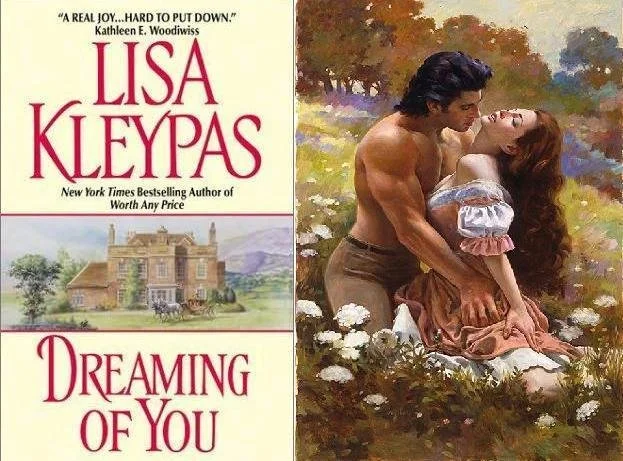




S05.20: Shifter Romance: Manimals!
You’ve been asking for a shifter interstitial, and we like to give you what you want. Today, we’re talking manimals! We go back to the beginning and touch on all the shifter/Lycae business that we dealt with in Season 1, and then we talk about all the ways werewolves have evolved into were-other things and then into DNA-splicing experiments. The recs get wild, the plots get weird, and there’s a lot happening!
Our next episode will drop Saturday in honor of the greatest of holidays, Derek Craven Day! To celebrate, we recommend rereading Lisa Kleypas’s Dreaming of You and then enjoying a full hour of our banter about our proudest achievement. In observance of DCD23, we will not be releasing a Wednesday episode next week, but we will be with you all the week after!
Our first read along of 2023 (in February) is Tracy MacNish’s Stealing Midnight—we’ve heard the calls from our gothic romance readers and we’re delivering with this truly bananas story, in which the hero is dug out of a grave and delivered, barely alive, to the heroine. Get ready. You can find Stealing Midnight (for $1.99!) at Amazon, B&N, Kobo, or Apple Books.
Show Notes
- Today’s show is apparently brought to you by 1983. The song She’s a Maniac was on the Flashback soundtrack, and Manimal was a television show.
- We talked so much about shifters in Season One, you just have to go back. I’m sorry.
- Derek Craven Day is coming this Saturday. Please celebrate responsibly.
Books Mentioned This Episode




Sponsors
Jess K. Hardy, author of Come as You Are
Get it at Amazon, free on Kindle Unlimited,
visit Jess K. Hardy at jesskhardy.com
and
Lumi Labs, creators of Microdose Gummies
Visit microdose.com and use the code FATEDMATES
for 30% off and free shipping on your order


S05.19: Homecoming Romance with Kate Clayborn
Seven-timer Kate Clayborn returns to the Fated Mates studio (lol, jk there is no studio) to talk about about going home again in romance and to celebrate the launch of her new book, Georgie All Along, which you can get this week wherever books are sold! We talk about all the ins and outs of homecoming romances, what sends characters back to the beginning, what readers expect from these books, why they hit so hard and in so many ways, and how this trope intersects with small town romance. All that, and Sarah’s brought an X,Y chart to class.
Next week, we have an interstitial, and then it’s Derek Craven Day 2023! Our first read along of 2023 (in February) is Tracy MacNish’s Stealing Midnight—we’ve heard the calls from our gothic romance readers and we’re delivering with this truly bananas story, in which the hero is dug out of a grave and delivered, barely alive, to the heroine. Get ready. You can find Stealing Midnight (for $1.99!) at Amazon, B&N, Kobo, or Apple Books.
Show Notes
Welcome Kate Clayborn. Her newest release, Georgie, All Along came out yesterday. She’s been on Fated Mates so many times because we love to talk to her about romance. You can listen to them all here, but considering the time of year, might we recommend the 2021 Derek Craven Day episode?
In case you forgot what your English teacher told you about theme.
Here's Sarah's chart, as promised. Also, you can learn about all about the X and Y axis. And the Z axis. And coefficients. So mathy this week!


Books Mentioned This Episode




Sponsors
Lillian Lark, author of Deceived by the Gargoyles.
Get it at Amazon, free on Kindle Unlimited,
visit Lillian Lark at lillianlark.com
and
Love’s Sweet Arrow, a romance bookstore in Chicago
Visit lovessweetarrow.com,
and preorder upcoming romance with fun gifts!


S05.18: Harlequin Category Romance: The Romance Industrial Complex
We don’t talk enough about category romances, and that is a big mistake. This week, we’re changing that — discussing the power of the category romance, the skill it takes to write one well, and the love we have for the authors who are committed to this perfect morsel of the format. There are nuns and vikings, Italian billionaires, lady assassins and more!
Next week, we have a special guest, but our first read along of 2023 is Tracy MacNish’s Stealing Midnight—we’ve heard the calls from our gothic romance readers and we’re delivering with this truly bananas story, in which the hero is dug out of a grave and delivered, barely alive, to the heroine. Get ready. You can find Stealing Midnight (for $1.99!) at Amazon, B&N, Kobo, or Apple Books.
Books Mentioned This Episode




Notes
Harlequin has an entire explainer about the ins and outs of category romance.
The first romance Jen ever read was called Pink Satin, from a long-since defunct category line called Second Chance at Love.
You can support the workers in the Harper Collins Union by donating to the strike fund, or sign the letter in support of the Union. Follow @hcpunion on Twitter for more information. Here's where they confirmed that Harlequin Titles are not part of the strike requests.
I couldn’t find the romance title generator, but I did find this sporcle quiz for the most common words in Harlequin titles—it’s only up to 2012, and someone needs to update this. The word billionaire is barely on it!
The Princess Routine by Tonya Wood (1985) was a favorite of both Jen and Caitlyn Crews. And right now, Jen is freaking out a little that she can't find her copy of it!

Sponsors
Desirée M. Niccoli, author of Called to the Deep and Song of Lorelei
and Lumi Labs, creators of Microdose Gummies.
Visit microdose.com and use the code FATEDMATES
for 30% off and free shipping on your order.


S05.17: Catherine Coulter: Trailblazer
We’re thrilled to share our next Trailblazer episode this week—we had a great time talking with Catherine Coulter about her place in romance history as one of the earliest authors of the Signet Regency line—and the author who many believe revolutionized the Regency…by making them sexy.
She tells a million great stories here, and we talk about writing historical romance, about sex in romance, about the way she thinks about plot vs. story, about the way she’s evolved as a writer, and about revisiting her old books. All that, and Catherine has a lot to say about heroes. Thank you to Catherine Coulter for making the time for us.
Next week, we’re back with more interstitials, but our first read along of 2023 is Tracy MacNish’s Stealing Midnight—we’ve heard the calls from our gothic romance readers and we’re delivering with this truly bananas story, in which the hero is dug out of a grave and delivered, barely alive, to the heroine. Get ready. You can find Stealing Midnight (for $1.99!) at Amazon, B&N, Kobo, or Apple Books.
Show Notes
People Mentioned: publisher Peter Heggie, agent Robert Gottlieb, publisher Robert Diforio, editor Hilary Ross, editor Leslie Gelbman, publisher Phyllis Grann, editor May Chen, editor David Highfill, and marketing consultant Nicole Robson at Trident Media.
Authors Mentioned: Georgette Heyer, Rebecca Brandewyne, Janet Dailey, LaVyrle Spencer, Linda Howard, Iris Johansen, Kay Hooper, Debbie Gordon and Joan Wolf
Catherine Coulter Novels




Sponsors
Cara Dion, author of Indiscreet.
get it at Amazon, free on Kindle Unlimited,
and
Lumi Labs, creators of Microdose Gummies
Visit microdose.com and use the code FATEDMATES
for 30% off and free shipping on your order.


Catherine Coulter 00:00:00 / #: At that point in time, Signet had sort of developed as kind of the classiest of the Regency romances, and there were some other little attempts, but with Signet, even their print runs, which were considered quite healthy, then were like, for the Regency, they were like 60,000. Then on the second book, I remember having, I got the plot idea and I told Hilary, we were down in Wall Street at a restaurant and we were having lunch. I said, well, Hilary, I said, the only thing is there was no sex in Regency.
00:00:49 / #: Absolutely zippo, nada. I said, I've got a plot, Hilary, but I want sex in it. It was at that point, which rarely happens, but it was an utter lack of noise in the restaurant, and everybody was on point, and we got a good laugh out of that. I told her what I wanted to do and she grinned and she said, go for it. As a result, the print run jumped up to like 130,000.
Jennifer Prokop 00:01:26 / #: That was the voice of Catherine Coulter, author of more than 80 novels, including some of the earliest Signet Regencies. We'll talk with Catherine about her time at the beginning of the Signet Line, her work, adding sex to Signet Regencies, and how she evolved into historical romances, and then of course into her longstanding career as a thriller writer. This is Fated Mates. I'm Jennifer Prokop, a romance reader and editor.
Sarah MacLean 00:01:59 / #: I'm Sarah MacLean. I read romance novels and I write them.
Jennifer Prokop 00:02:04 / #: You're about to hear a great conversation with Catherine Coulter. We're not going to spend a whole lot more time introducing it. We'll talk more on the back end. Without further ado, here is our conversation with Catherine Coulter.
Sarah MacLean 00:02:17 / #: We try really hard not to do all the fangirling, but I have to say The Sherbrooke Bride was like the Greatest Joy of my Life when I read that book, right when it came out. I'm really very delighted to be talking to you today. Thank you so much for making time for us.
Catherine Coulter 00:02:37 / #: Well, thank you for asking me, and I'm so delighted that you like The Sherbrooke Bride. It seems to be everybody's favorite, and it's an 11 book series.
Sarah MacLean 00:02:47 / #: Well, we're going to get into why and why you think it is. We are in our fourth season of this podcast, because we really love romance novels a whole lot. Over the last year, we have been interviewing the people, many of the people who we believe built the house of romance, so to speak. Part of the reason why we're doing that, and I'm sure you've noticed this, is that romance doesn't get a whole lot of attention from the world at large.
00:03:18 / #: We feel like it's really important to collect the history of the genre as much as we possibly can. These conversations, these, what we're calling Trailblazer recordings are really conversations that are very far-reaching. We want to talk about all things you. I know that you have a book out next week, so we want to talk about that too. But hopefully, you'll give us a sense of your life through writing and through romance. But we are both really thrilled to have you.
Catherine Coulter 00:03:52 / #: Well, thank you very much. Those were lovely things to say. It's true, it's true. I'll never forget when I was started writing, "Oh yes, I'm a writer." "What do you write, children's books?" That was the most regular. Then, I think romance was next. You were almost embarrassed to say, "Well, yeah, you idiot." I want to make some money. Women are 85% of the retail market, so, excuse me.
Sarah MacLean 00:04:27 / #: Yeah.
Jennifer Prokop 00:04:27 / #: Yeah.
Catherine Coulter 00:04:27 / #: Anyway.
Sarah MacLean 00:04:28 / #: Yeah.
Catherine Coulter 00:04:29 / #: I think you guys are doing a wonderful thing and getting the history down. That's very good.
Sarah MacLean 00:04:35 / #: Catherine, can you tell us about how you started reading romance?
Catherine Coulter 00:04:42 / #: Well, my mother would read aloud to me when I was like three years old, and she read everything, everything. But my very, very favorite author is Georgette Heyer, and I believe she died in 1972. She was the one who started the Regency genre. You've read her right?
Sarah MacLean 00:05:09 / #: Yes.
Jennifer Prokop 00:05:10 / #: Yes. Yes. We know Heyer.
Catherine Coulter 00:05:11 / #: Okay. Yeah, I still think she's the class act, and I've always in teaching always say, you're allowed three exclamation points a book. Okay, that's it. She uses exclamation points after nearly every sentence.
Sarah MacLean 00:05:29 / #: Exactly.
Catherine Coulter 00:05:30 / #: But it's okay. It's the weirdest thing. She does everything that you shouldn't do, and it's wonderful, which goes to show there really are no rules.
Sarah MacLean 00:05:41 / #: Right.
Catherine Coulter 00:05:41 / #: But I don't think many people are on her level of just delight. Sheer delight. What was your favorite Georgette Heyer?
Sarah MacLean 00:05:51 / #: Well, my favorite is Devil's Cub.
Catherine Coulter 00:05:55 / #: Gotcha. That was a good one.
Sarah MacLean 00:05:57 / #: Which probably tracks very well with, you'll be unsurprised that then I really fell in love with The Sherbrooke Bride and lots of other books with similar heroes to her.
Catherine Coulter 00:06:10 / #: We call them assholes or someone we deem not all that much.
Sarah MacLean 00:06:17 / #: Yeah. Well, romance in many ways has not changed all that much. Right?
Jennifer Prokop 00:06:24 / #: What about you, Catherine? What was your favorite Heyer?
Catherine Coulter 00:06:28 / #: The Grand Sophy.
Jennifer Prokop 00:06:29 / #: Oh, of course. A classic.
Catherine Coulter 00:06:31 / #: Yeah. I just love The Grand Sophy. She was such a go-getter and Sylvester or The Wicked Uncle, talk about the classic asshole. It's wonderful.
Jennifer Prokop 00:06:43 / #: Okay, so you are reading Heyer and you're reading sort of voraciously. Tell us about your life at this point. Where are you living in the world? How do you start thinking about actually putting pen to paper?
Catherine Coulter 00:06:59 / #: Well, as you know, everybody has a talent, and it just depends if you, A, find the talent, B, if you try to do something with it. My talent was writing, but I never really recognized it. I just thought everybody could write a paper the night before and get an A. It was just very natural. It was just very natural. You really didn't understand why your classmates hated your guts, but they could do that. They could do their own thing.
00:07:30 / #: Anyway, I never really thought about it. Then, I went to University of Texas and then got a master's degree at Boston College. At that point, my husband was in medical school in Columbia Presbyterian in Manhattan. One thing, I've been extraordinarily lucky, you know how when you don't know if you should go one direction or another?
Jennifer Prokop 00:08:00 / #: Mm-hmm.
Catherine Coulter 00:08:01 / #: Then you might go the one direction and you think, "Well, what would've happened if I had... Well..." Anyway, it's at the same time, I was offered an assistant professorship at a college in New Jersey, and then the other was a speech writing job on Wall Street in Manhattan. I got to weigh both of them.
00:08:22 / #: My dad had been a professor at UT, and he would tell me that academia is the most, it's a viper pit. He said, "I've never seen anything like it. They cannot compare, businesses cannot compare to the viper pit that is academia.
Sarah MacLean 00:08:40 / #: Even Wall Street?
Jennifer Prokop 00:08:42 / #: Yeah, wow.
Catherine Coulter 00:08:43 / #: I chose Wall Street and I wrote speeches and for a guy who was the president of an actuarial firm, and your eyes are already glazing over, mind did. But I'll never forget in the interview, he was this kind of desiccated little old guy. He was very nice, and he was the president and he said, "I have to speak a lot." He says, "I don't know why people ask me to speak, because I'm not very good." He said, "Can you make me funny?"
00:09:12 / #: I said, "Sure, sure." Then at that time, my husband, as I said, was at Columbia Presbyterian. I saw him maybe 30 minutes a day over spaghetti. I was reading, oh, 10 to 15 books a week in the evening. Then one night I threw the book across the room and said, "I can do better." I thought that I was so, I thought that I was a trailblazer, that nobody had ever done that.
Sarah MacLean 00:09:42 / #: Now look.
Catherine Coulter 00:09:42 / #: Well, it turns out that maybe 60% of writers started that way. "I can do better." I went in and told my husband and I have heard from so many women and I just want to take them out and shoot them. "Oh, well, my husband won't let me do blah, blah, blah." I go, "Oh, shut up." Kick the jerk to the curb. He said, "Sure." He took the next weekend off and together we plotted the first and last book, but that was the last one he helped plot.
Jennifer Prokop 00:10:16 / #: Yeah.
Sarah MacLean 00:10:16 / #: Oh, my gosh.
Catherine Coulter 00:10:18 / #: That was, what was the name of that? The Autumn Countess, which I later rewrote and made it into The Countess, which is much, much better, because it's funny. That's how it started.
Sarah MacLean 00:10:30 / #: That book was published in 1979. Were you read, is that right around, was it very quickly published?
Catherine Coulter 00:10:37 / #: Well, what happened was is since I was working full time, I would get up and write at like 4:30 and then get ready for work at 6:30. I've always been a morning person, so that worked for me. I took about a year. I'll never forget, I rode the A train, it's the express, down to Wall Street. There was this guy who worked at William Morrow.
00:11:03 / #: I said, "Oh, I'm writing a book." "Yeah right, honey." I think at the time, he wanted to get in my pants, and so he was all sorts of encouraging and nice. What he did was he gave me the name of a freelance editor in the city, and she was also a model. Of course at that time, nobody knew anything and nobody knew anything until RWA was founded-
Jennifer Prokop 00:11:33 / #: Right.
Catherine Coulter 00:11:33 / #: ... in the early 80s.
Sarah MacLean 00:11:34 / #: Right.
Catherine Coulter 00:11:35 / #: And that's when things started opening up. But at that time, it was a black hole, publishing, but I was at least in the center of it.
Jennifer Prokop 00:11:43 / #: You were reading romance novels at this point? So you-
Catherine Coulter 00:11:46 / #: Well, I read that, but I don't know if you know this, but I would say that a good 90%, maybe more, of all of my books have mysteries in them.
Jennifer Prokop 00:11:57 / #: Right.
Sarah MacLean 00:11:57 / #: Right. Yes.
Catherine Coulter 00:12:00 / #: I love mysteries. It was just a natural thing to have mysteries in it. I read tons of mysteries and I read, and there were the early bodice rippers, which were a hoot. We have the 18-year-old virgin at the beginning, she loses her virginity, he's the hero. They're separated for 500 pages and then they get together at the end. Oh, I love you. They were wonderful. They were absolutely incredible.
00:12:29 / #: This editor said, "Well, let's go for it." What she had was the top Regency publishers and the top editors. At the time it was New American Library, they had the class act with Signet Regencies, and they were the only really class act in publishing. You can now take courses on writing query letters, you know 101.
Jennifer Prokop 00:12:58 / #: Yeah.
Catherine Coulter 00:12:58 / #: I like, well, dear boss, this is my book. I hope you like it. It's so stupid. Again, you never know. There are usually three reasons why you're bought in a house, back then and now. Number one is a whole lot of writers, the majority of writers are always late. The writers under contract are always late turning in manuscripts. They're going, "Ah, what are we going to do? What are we going to do?"
Jennifer Prokop 00:13:32 / #: You just called out Sarah real hard and it's pretty amazing.
Catherine Coulter 00:13:35 / #: Sarah, come here and let me smack you.
Sarah MacLean 00:13:39 / #: I'm sorry, I'm sorry, Catherine. I'm sorry.
Jennifer Prokop 00:13:42 / #: Meet your deadline, Sarah.
Catherine Coulter 00:13:43 / #: Oh, well, you drive a house crazy, because then they're having to do this, that and the other. Or they might buy a book because they really, really love it. But those are the two main reasons. I really don't know which one I was.
Jennifer Prokop 00:13:59 / #: Oh, I know.
Catherine Coulter 00:14:01 / #: Well, Hilary Ross called me three days later, asked me out to lunch and offered me a three book contract. I was very, very lucky. She loves to tell the story how she pulled me up by my bootstrap son of a bitch. That could have been true, I guess. She still lives on the West Side of New York.
Jennifer Prokop 00:14:25 / #: Oh, that's great.
Catherine Coulter 00:14:26 / #: She was a character, and so it was very strange. But she loved my book, so what can I do, but love her back?
Jennifer Prokop 00:14:33 / #: Of course.
Catherine Coulter 00:14:34 / #: I didn't have an agent. When the three book contract was coming up, because I was such an idiot and didn't know anything, I asked my editor if she could recommend an agent. She recommended a very good friend of hers. I realized that I could have negotiated myself a better contract. That's how it all started.
Jennifer Prokop 00:15:00 / #: Hilary Ross, did she found the New American Library. For people who don't know, New American Library became Signet, correct?
Catherine Coulter 00:15:08 / #: No, no, no. New American Library was subsumed by Putnam.
Jennifer Prokop 00:15:13 / #: Okay.
Catherine Coulter 00:15:14 / #: Okay?
Jennifer Prokop 00:15:15 / #: Yep.
Catherine Coulter 00:15:16 / #: Then Putnam, of course, was subsumed by Random House. There used to be the big seven sisters in New York, and I think now we're down to four.
Jennifer Prokop 00:15:24 / #: Yeah, right.
Catherine Coulter 00:15:24 / #: We won't go into Amazon who just did wonderful things.
Sarah MacLean 00:15:28 / #: I am currently holding up an original copy of the Rebel Bride. Look down at your app right now, and you'll see the covers of the original Signet Regency. Could you talk a little bit about Signet as a line, because we talk a lot here about category romance, but we haven't talked really at all about Signet, which is one of the reasons why we were so excited to have you come on, because we want to talk obviously about your historicals and how much of a powerhouse you had become. But in those early days at Signet, what was the vibe? What were people thinking there?
Catherine Coulter 00:16:03 / #: Well, at that point in time, Signet had sort of developed as kind of the classiest of the Regency romances. There were some other little attempts by other houses, and I cannot remember any other imprints at this-
Sarah MacLean 00:16:25 / #: Sure.
Catherine Coulter 00:16:25 / #: I just can't remember. But with Signet, even their print runs, which were considered quite healthy then, for the Regencies, they were like 60,000. Then what happened was on the second book, I remember having, I got the plot idea and the second book, was that The Rebel Bride?
Jennifer Prokop 00:16:51 / #: Yes.
Catherine Coulter 00:16:52 / #: Okay. I told Hilary, we were down in Wall Street at a restaurant and we were having lunch. I said, "Well, Hilary," I said, "The only thing is," there was no sex in Regencies. Absolutely zippo, nada.
Jennifer Prokop 00:17:10 / #: Right.
Catherine Coulter 00:17:10 / #: I said, "I've got a plot, Hilary, but I want sex in it." It was at that point, which rarely happens, but it was an utter lack of noise in the restaurant and everybody was on point, and we got a good laugh out of that. I told her what I wanted to do and she grinned and she said, "Go for it."
Sarah MacLean 00:17:39 / #: Oh, great.
Jennifer Prokop 00:17:39 / #: Wow.
Catherine Coulter 00:17:39 / #: As a result, the print run jumped up to like 130,000.
Sarah MacLean 00:17:45 / #: Oh, look at that.
Catherine Coulter 00:17:46 / #: They were like, because everybody loved it. Then Joan Wolf, who's a friend now, always, always, and she was at Signet at that time, and so she stuck her toes in. But that was really the start of putting sex in Regencies. It was not discreet. In those days, they truly were bodice rippers. The sex could be extraordinarily explicit. I did extraordinarily explicit sex, I think through The Sherbrooke Bride series.
00:18:23 / #: Even toward the end of that, I just kind of lost interest in it and really spent much more time on the plot and the characters, because I'd read so many books. I go to conferences where editors would say, "Now, you want to have a sex scene every three chapters," or every 20 pages, or whatever. It was like it was gratuitous. That's when I realized you don't want anything gratuitous in a book, because it pulls the reader out of the book, which it did me, and I'm a reader, big reader.
00:18:59 / #: I said, "What are you doing? Who cares? These are just parts and it doesn't mean anything." In other words, most of the time, the sex scenes did not forward the plot. They detracted, they were just blah, they were just thrown in. I just kind of lost interest in it. That's when I just kind of went down, down, down, down, down, and stopped with explicit sex. Most people didn't.
00:19:27 / #: In fact, today, again, I wish that people writing romance would not depend so heavily on this really, really explicit sex, because it's not necessary. If you're going to do a sex scene, you want to have humor in it. It shouldn't be body part A, and body part B, and oh, this is so serious, and blah, blah, blah. No. Blah. Anyway, all right. I'm now off my bandwagon.
Jennifer Prokop 00:19:54 / #: That's okay.
Sarah MacLean 00:19:54 / #: I love a bandwagon.
Jennifer Prokop 00:19:58 / #: This week's episode of Fated Mates is sponsored by Cara Dion, author of Indiscreet.
Sarah MacLean 00:20:04 / #: All right, here we go. Are you ready?
Jennifer Prokop 00:20:06 / #: I'm ready.
Sarah MacLean 00:20:07 / #: On her 21st birthday, our Heroine Min is stood up at the opera by some jerk, but there just happens to be somebody in the seat next to her.
Jennifer Prokop 00:20:18 / #: Very handsome. I'm sure.
Sarah MacLean 00:20:19 / #: So handsome. They have an instant attraction. They bond over their love of music and opera and they have a one night stand, as one does. They leave the opera immediately. Have a one night stand, Moonstruck style.
Jennifer Prokop 00:20:33 / #: Moonstruck style. I love it.
Sarah MacLean 00:20:35 / #: Exactly. Except, Jen, what do you think happens the next day when Min goes to her university opera program?
Jennifer Prokop 00:20:46 / #: Is he her professor, Sarah?
Sarah MacLean 00:20:47 / #: Oh my God. He's totally her professor. Totally. It gets-
Jennifer Prokop 00:20:51 / #: You could not be more delighted by this, and I love it.
Sarah MacLean 00:20:53 / #: My favorite, this is my favorite, I cannot wait to read this. This one is for anybody who, like me, loves a professor-student romance. This is very forbidden. It's all about secrets. There's a little bit of an age gap in here, if you like an age gap romance. All I have to say about this is, it sounds frickin' great.
00:21:14 / #: There's a secret dark shadow from Mins past, makes their entanglement even more complicated. This is my favorite part. The music that drove them both forward and bound them together could also be the thing to tear them apart.
Jennifer Prokop 00:21:31 / #: Amazing. You can find Indiscreet in print, ebook and on KU. You can find out more about the author at CaraDion.author on Instagram. Thank you to Cara Dion for sponsoring this week's episode of Fated Meets.
Sarah MacLean 00:21:49 / #: You wrote seven Signets and seven Regencies, and then you moved to what you call historicals.
Catherine Coulter 00:21:58 / #: Well, no, I call them hystericals.
Sarah MacLean 00:22:02 / #: Oh, you're amazing.
Catherine Coulter 00:22:03 / #: Yes. I wrote long hystericals. That was interesting, because at that point, after I finished that contract, I had the brain to say, "I think I need a real agent and not the editor's best friend." I had met Peter Heggie, who was the Secretary of the Authors Guild in New York. I gave him a call. We had moved to San Francisco, because my husband was doing his residency here at the University of California San Francisco.
00:22:40 / #: Of course, a writer is totally portable. At that time, my company, I was kind of the golden lass. They even moved me out here to do a job that I had no knowledge, that I couldn't do, because it was installing a computer system on the West Coast. Okay.
Jennifer Prokop 00:23:00 / #: Right.
Catherine Coulter 00:23:00 / #: Honey, I can't even do Zoom. All right? Anyway, that's neither here nor there. But so I called Peter Heggie from San Francisco and told him I wanted a female agent. He gave me the name of two women and then he gave me one man. When I came back to New York on business and so forth, I met these people, and I swear to you, I do not even remember the women's names. I went to William Morris, they're a great big agency in New York.
00:23:36 / #: I met with the guy he recommended. His name was Robert Gottlieb, and he'd been out of the mail room, and that is still spelled male. He was in kind of this closet with no window. He'd been out of the mail room for like six months and we talked and I said, "What do you want to do when you grow up?" He said, "I want to be on the board of directors of William Morris by the time I'm 45."
00:24:10 / #: I never forgot that. Anyway, he became my agent. He absolutely enraged Hilary, absolutely enraged. The head of the house, of New American Library had to get involved to calm things down. My darling, this is over a 10,000 book advance, a $10,000 book advance. Because we're back in 1980.
Sarah MacLean 00:24:36 / #: Sure.
Catherine Coulter 00:24:37 / #: Okay. 1981. That worked out. Robert and I have been together longer than all of his marriages, but I give great gifts. I give great gifts.
Sarah MacLean 00:24:50 / #: You are the reason why.
Jennifer Prokop 00:24:51 / #: Yeah.
Catherine Coulter 00:24:53 / #: Oh, boy. I'll never forget this, just to aside. I'll never forget, he called me in 1987 and he was hyperventilating. He was so excited. He was on the board of directors of William Morris when he was 37.
Sarah MacLean 00:25:11 / #: Oh, that's great news.
Jennifer Prokop 00:25:12 / #: Oh, look at that news.
Catherine Coulter 00:25:12 / #: Yeah. It's a great story. Then he got out sharked by Michael Ovitz in 2000 and then started Trident Media. That started a new chapter of his life. He also married Olga, who was an orienteer at Olympic in Russia.
Sarah MacLean 00:25:33 / #: Wow.
Catherine Coulter 00:25:33 / #: He's a Russian fanatic. Anyway, and so they're still married. They have two grown kids, well almost grown kids now. Everything is good with him. As I say, we've been together for how long? Years and years.
Sarah MacLean 00:25:46 / #: That's a long time.
Catherine Coulter 00:25:46 / #: Well over 30 years. In the mid-80s, Bob Diforio, who was on the sales team for New American Library, he became the President. He and I met, and I really didn't know who he was, but we just had an immediate relationship. He was in part, he started pushing me immediately. I'll never forget, it was a Fire Song.
00:26:21 / #: It was the first, yeah, it was the book in the medieval series. They decided, you're going to love this. He decided that they were going to have a Fire Song perfume. They attached these little bottles of perfumes to all the books and shrink wrap them. The problem was...
Sarah MacLean 00:26:45 / #: Oh, my gosh.
Catherine Coulter 00:26:49 / #: They were shipped and were shipped in trucks and whatever. The perfume turned horrible.
Sarah MacLean 00:26:51 / #: Oh, no.
Catherine Coulter 00:27:00 / #: I must have gotten 2000 emails saying, not emails, letters saying, "Blech, ew."
Jennifer Prokop 00:27:08 / #: Oh, no.
Catherine Coulter 00:27:10 / #: Oh, that was so fun.
Jennifer Prokop 00:27:12 / #: Still you survived it, Catherine. The books must've been great.
Catherine Coulter 00:27:17 / #: Oh, things just. There's so many just cute little things that happened through the years.
Sarah MacLean 00:27:23 / #: That Song series. I think I read every one of those books a dozen times. I would get one and then just read them straight through-
Jennifer Prokop 00:27:32 / #: Read them all.
Sarah MacLean 00:27:32 / #: ... and then immediately start again. I wonder if you could talk a little bit, just in general, about what it was like writing. When we talk now about, when we look back on the 70s, the 80s, the early 90s, that period of time really felt like the heyday of romance. It's never been like that since.
Catherine Coulter 00:27:54 / #: It was the golden age, I call it. It really was the golden age.
Sarah MacLean 00:27:57 / #: Do you feel like you knew at the time what you were a part of?
Catherine Coulter 00:28:04 / #: Oh, no. You never do. No, no, no, no. I look back now and realize it was the golden age. Of course, this was pre-Amazon and everybody was just, the print runs were outrageous. They were over a million copies, and it was-
Jennifer Prokop 00:28:25 / #: That's wild.
Catherine Coulter 00:28:27 / #: Yeah. It was a wild time. But you really, you're writing and then a book comes out and it does like this. When we negotiate a contract and we're going to conferences and you just don't think, "Wow, I'm a part of the golden era." Because at the time, you are still a part of it and you're not looking back. You're not looking back. You're looking forward, always, always forward.
Sarah MacLean 00:28:56 / #: Tell us a little bit about what the readers are like at this point. What are these conferences like?
Catherine Coulter 00:29:01 / #: I think the last one was an RWA, but when I compare it to the ones throughout the years, they're not that different at all. They're really not. I will tell you, the big writers, like Janet Daly was huge then. Absolutely huge. I remember she would travel to a conference with her handlers. Okay. There'd be her personal handler, and then there'd be somebody from the publishing house, and then they would answer most of the questions.
00:29:42 / #: In the other workshops by the unsuperstars had then, as you had now, is people will stand up and say, "Okay, you want to do this, this, this, and this, and don't do that and don't do this." People are out. They want to get published. That's what they want more than anything in the universe. They're taking wild notes. I can remember thinking then, "This is nuts. What you want to do, darling, is to write a good story. Forget the rest of the shit." Okay?
Jennifer Prokop 00:30:15 / #: Yeah.
Catherine Coulter 00:30:17 / #: I just had a few do's and don'ts, but mainly even back then, I'd say, "Sit your butt in a chair and write. You cannot edit a blank page. It doesn't matter if you write crap, it really doesn't, because now you have something to work on." But people, they would preach. There was a lot of preaching, because I'm published and you're not. I don't know if it's still like that today.
00:30:51 / #: It was, the last time I was at a conference, it was more or less like that. These were kind of superstars, like what's her face? Oh, she retired and stopped writing. LaVyrle Spencer. You had, again, a huge disparity between the superstars and the people who desperately wanted to be published. This has been true forever. Forever.
Sarah MacLean 00:31:18 / #: While we're talking about authors, other authors, could you give us a sense of who was your community? You obviously, you're very busy, you have a day job, a high power day job, your husband is studying.
Catherine Coulter 00:31:31 / #: No, I quit my job in 1981, because I could no longer afford to work.
Sarah MacLean 00:31:39 / #: Right. It's the dream. Right?
Jennifer Prokop 00:31:40 / #: Right.
Sarah MacLean 00:31:41 / #: Of course.
Catherine Coulter 00:31:42 / #: Yeah. I was full-time writer from 1981, got a computer in 1981. It was $10,000. It was a Vector and it had a five-inch floppy disk. It took a week to learn how to do it. But I expected that knew it, but it got rid of all the crap, because if you made mistakes before on an electric typewriter, you had to retype a page.
Sarah MacLean 00:32:02 / #: Retype, right. Mm-hmm.
Catherine Coulter 00:32:06 / #: But you just press a little button and crap's gone.
Sarah MacLean 00:32:08 / #: Sure.
Catherine Coulter 00:32:08 / #: It was an amazing, amazing thing. Graham Greene, another writer. I'll never forget, he said in the mid-80s, "You're not a real writer if you use a computer." And I was thinking, "You idiot."
Jennifer Prokop 00:32:19 / #: Oh, Graham.
Sarah MacLean 00:32:21 / #: Oh, Graham. That's cute. That's cute. Graham.
Catherine Coulter 00:32:24 / #: Oh, lord. In 1985, I was in Houston. I had a couple of medical writer friends who sort of dropped out a little bit later, dropped out of the picture. But in 1985, I was in Houston, and this is when Rebecca Brandewyne was really big.
Sarah MacLean 00:32:45 / #: Of course.
Jennifer Prokop 00:32:45 / #: Oh, yeah.
Catherine Coulter 00:32:48 / #: Her mother, she really wanted to have lunch with me. I said, "Well, this will be fun to see what she has to say." She was an agent, Rebecca's mom. Then I'll never forget, she kissed me off for somebody else to have lunch with. I was kind of looking around and I see an empty chair at this table, and I go up and I say, "Can I sit here?" We met, and this was Linda Howard and Iris Johansen and Kay Hooper.
Sarah MacLean 00:33:21 / #: Oh, the whole crew.
Catherine Coulter 00:33:22 / #: We became best friends at that point. We have stayed that way forever.
Jennifer Prokop 00:33:26 / #: That's nice. That's great.
Catherine Coulter 00:33:29 / #: Yeah.
Sarah MacLean 00:33:29 / #: My gosh, and all four of you have just, you're still all writing. That's rare when you make a group of friends when you're young at the job and that you're all still there.
Catherine Coulter 00:33:41 / #: Yeah. Everybody became successful, everybody, all four of us, which was very good to happen, because you wouldn't want one or two people not as successful as you when we'd go on trips and stuff together. It worked out very, very well. I don't think there was no jealousy. Everybody was very supportive of everybody else, so it worked.
Sarah MacLean 00:34:06 / #: Around this time, one of the things that's interesting is you really had a productive period in the 80s where you were writing historicals. You wrote a few Silhouette Intimate Moments. You were clearly starting to transition into doing mystery thriller. Did you feel like you got guidance through this process? Or was this something that you just really were like, "These are the things I want to write?"
Catherine Coulter 00:34:30 / #: Well, that's a good question. I remember, I think it was in 1985, and we were in Europe on a train in Switzerland, and this entire plot came into my brain, which had never happened before, and it was contemporary. I said, "Go away. I don't want to watch contemporary go away." It didn't. I wrote it when I got home and I realized it was a short contemporary romance, and I had no idea what to do with it.
00:35:00 / #: I called a friend, Debbie Gordon, who's no longer writing, but she was very big at that time at Silhouette. She said, "Okay." She said, "This is what you tell Robert, this is what he wants to ask for." I did it, and he did, and I was with Leslie Wenger, and so it was a three book series, Aftershocks, the Aristocrat and Afterglow. She said, "Okay, now I've got the A's. What are the B's going to be?"
00:35:33 / #: I said, "Honey, there ain't no more water in this well." So it was just those three, but they were fun. They were like a little dessert, a little dish of sorbet. Because they're only about 65,000 words, as opposed to 100, 110,000. No, there was no guidance. In 1988, it was, the idea came to me. It wasn't a plot then. It was just an idea. Just to back up one second.
00:36:07 / #: This was False Pretenses, and it was my very first hardcover. It was a romantic suspense, not a suspense, a romantic suspense. The heroine was a concert pianist. When you change genres, the most important thing you want to do is to eliminate as many unknowns as you can. I picked the piano, because I'm a pianist. My Mother was a concert pianist, organist, and I knew everything about it. I knew all the music, so I knew-
Jennifer Prokop 00:36:44 / #: Interesting. Yeah.
Catherine Coulter 00:36:44 / #: ... what I was talking about. We're in New York City, and then it was of course a mystery, but it was a romantic suspense, because you can't be a romance unless there's a central core that's a man and a woman getting together in a relationship. Then, everything else can be around it. It doesn't matter. It can be Mars, it can be murders or can be anything you want, but to be a romance, you have to have the central core being the relationship.
00:37:16 / #: That's what it was. They wanted to push it as this. I don't even remember. I said, "No, it's a romantic suspense." They said, "Okay." That was the first hardcover. Then I wrote probably four or five more contemporary romantic suspense, which were a lot of fun to do. Anyway, I was writing probably three or four books a year. It was easy. Now, of course, I write, never mind, because now I'm an elder.
00:37:48 / #: But anyway, I was writing a whole lot of books a year, and I'll never forget. Then Putnam and Putnam had bought, as I said, New American Library. The head of Putnam was Phyllis Grann. She's Probably the best woman publisher, she was, in the world. I absolutely would kill for her. She would call me up and say, "Catherine, I need a quote." I said, "What would you like me to say?" Whatever she wanted from me, she got, because she was absolutely wonderful.
00:38:27 / #: They went back to New York and there was this big round table at the plaza in the tearoom there in the court, and I was introduced to my new editor, and they made an offer that was just outrageous, absolutely outrageous. I'll not tell you what it is, but it was outrageous. I went there, and what they wanted was the hysterical romances.
Jennifer Prokop 00:38:58 / #: The hysterical romances.
Catherine Coulter 00:39:03 / #: Well, I try to make them funny. I really do. Oh, one thing I wanted to add, talk about luck, those first six or seven Regencies, I went back and rewrote them.
Sarah MacLean 00:39:17 / #: Yeah, I want To talk about that.
Catherine Coulter 00:39:20 / #: I made them so much better. I turned them into historical romances and I made them funny. Then they hit the New York Times, because they were no longer Regencies.
Jennifer Prokop 00:39:33 / #: This week's episode of Fated Mates is sponsored by Lumi Labs, creators of Microdose gummies, which deliver entry-level doses of THC that help you feel just the right amount of good. You know what I needed to feel just the right amount of good recently, Sarah?
Sarah MacLean 00:39:47 / #: Tell me.
Jennifer Prokop 00:39:48 / #: When I was getting on a plane.
Sarah MacLean 00:39:50 / #: Oh, yeah.
Jennifer Prokop 00:39:51 / #: I think, right, airports are just sort of stressful places now. I found that I took a gummy before we got off at O'Hare and went through security, and it just was a nice experience for me. I just felt like sort of my anxiety about the plane and all of the hustle bustle of the airport was just a little, took the edge off ever so slightly. It was delightful.
Sarah MacLean 00:40:16 / #: I love it.
Jennifer Prokop 00:40:17 / #: If you are interested in hearing more about microdosing, go to microdose.com and you can learn all about Microdose gummies. They deliver a perfect entry level dose of THC that help you feel just the right amount of good. You can use the code Fated Mates to get free shipping and 30% off of your first order. Links can be found in show notes as always. But again, that's Microdose.com code Fated Mates, and thanks to Lumi Labs for sponsoring the episode.
Sarah MacLean 00:40:50 / #: Did you go to Putnam and say, "I want to rewrite these?"
Catherine Coulter 00:40:53 / #: Yeah. Yeah. I said I really would like them because I think that they're kind of a bummer to me now, and I don't think I can make them 1000% percent better and make them longer and richer and funnier and all that. They said, "Sure, go for it."
Sarah MacLean 00:41:10 / #: That's incredible. What is that process like? This is the mid-80s, so it's only five or six years. It's not even a decade, since they came out. What was that process like as a writer to revise essentially yourself-
Jennifer Prokop 00:41:31 / #: Right.
Sarah MacLean 00:41:32 / #: ... at a distance?
Catherine Coulter 00:41:33 / #: It was easy. It was very, very easy, because the book was already there. I didn't have to worry about, oh dear, is that plot going to work here and there? No, no, no. I didn't have to worry about it. All I had to worry about was let's make this really, really fun.
Sarah MacLean 00:41:49 / #: Was it driven by, I'm a better writer now. I've had more practice?
Catherine Coulter 00:41:56 / #: Yes, yes.
Sarah MacLean 00:41:57 / #: Or the rules don't apply to me in the same way anymore, or both?
Catherine Coulter 00:42:00 / #: Both. Both. Of course, Regencies, ever since Joan and I were big at Signet, Regency started changing.
Sarah MacLean 00:42:10 / #: Well, they got sexier.
Catherine Coulter 00:42:11 / #: Yeah. That was because of Joan and Me, which was, and I can take credit for that and so did she.
Sarah MacLean 00:42:18 / #: Good.
Catherine Coulter 00:42:18 / #: That was fun.
Sarah MacLean 00:42:19 / #: You're at the Plaza, they want historicals?
Catherine Coulter 00:42:23 / #: They wanted historicals. In a period of three and a half years, I wrote three trilogies.
Sarah MacLean 00:42:30 / #: Wow.
Catherine Coulter 00:42:31 / #: The Wyndham Legacy, the Legacy Trilogy, the Fire Trilogy, and another trilogy that escapes my brain at the moment. But it had never happened in my life, but I was burned in my toes.
Jennifer Prokop 00:42:44 / #: Yeah, I'm sure.
Catherine Coulter 00:42:46 / #: Absolutely burned in my toes. It was in 1995, and I was at family reunion in Texas, and my sister, who has never done this before or since, walked up to me and said, "Have you ever heard of a little town on the coast of Oregon called The Cove? They make the world's greatest ice cream and bad stuff happens." I just went on point.
Sarah MacLean 00:43:17 / #: What?
Catherine Coulter 00:43:17 / #: I said, "Oh my heavens, my heavens." I told my editor, and of course, I understood their position. If it ain't broke, why fix it?
Sarah MacLean 00:43:31 / #: Sure.
Catherine Coulter 00:43:32 / #: But I really dug in my heels.
Jennifer Prokop 00:43:33 / #: Well, they'd milked to you for nine books in three years.
Catherine Coulter 00:43:38 / #: But at that point, I had enough power. I said, "Give me a chance." Then, that's when I wrote The Cove. Then when they got it, they wanted to make it into a hardcover. I said, "No, no, no, no, no, no, no, no, no." I said, "Failure is well and good, but you don't want to fail in hardcover. Who knows how this book will be received?" They brought it out in paperback in 1996, I believe, and it really did extraordinarily well.
00:44:11 / #: I was very happy for that. Then the publisher called and I said, "Well, when's the next one in the series?" I said, "What series? What are you talking about?" I kid you not, this will happen. It happened. There was this voice in the back of my head, and he said, "Catherine, what about me?" It was Dillon Savage. Then, The Maze was basically Sherlock's book, and this is the book they got together.
00:44:45 / #: Then after that, you had The Target, which is one of my all-time favorite books with The Hunt, Ramsey Hunt, and Emma. I'll never forget, I wrote international thrillers with JT Ellison, six of them. I'll never forget, JT told me, he said, "Well, a series isn't really a series until book four." I was kind of laughing at her. She was perfectly right. She was totally right.
00:45:14 / #: The fourth book, The Edge, started that series, and then it just went from there. At that point, I was writing one historical a year and one FBI thriller a year. It worked very, very well, because they're such disparate genres and your brain gets unconstipated. You know what I mean?
Jennifer Prokop 00:45:39 / #: Mm-hmm. Yeah.
Sarah MacLean 00:45:39 / #: Yeah, sure.
Catherine Coulter 00:45:41 / #: Then it's just been about, I guess about four or five years ago, I could just do one book a year, and that was fine. That was perfectly fine. It's been wonderful. I feel blessed, very, very blessed, and very, very lucky and have met so many fascinating writers and publishers over the years. As I say, Robert and I are still together.
Jennifer Prokop 00:46:10 / #: Amazing.
Catherine Coulter 00:46:10 / #: He'll come up and talk about, yada, yada, it's wonderful.
Jennifer Prokop 00:46:15 / #: Can we return maybe to The Sherbrooke Bride for a second?
Catherine Coulter 00:46:19 / #: Sure.
Jennifer Prokop 00:46:20 / #: Sarah talked about it being one of her favorites. You mentioned that so many readers still talk about it.
Catherine Coulter 00:46:27 / #: Yeah.
Jennifer Prokop 00:46:29 / #: When we're talking about romance, why do you think this is the book that so many romance readers connected to? Is it the primordial Catherine Coulter book? What made it the one?
Catherine Coulter 00:46:41 / #: I think that everybody, women, I think that women respond visually to a real alpha male who's an asshole, basically. But he's a real alpha male, and it's how the woman, he ends up worshiping her toenails. I think women, it's on a visceral level, they love that. They're just fascinated by the alpha male. That's my own feeling.
Jennifer Prokop 00:47:14 / #: I also think, I was speaking to a friend of mine earlier today about how we were interviewing you, Catherine, and my friend Sophie Jordan, who also writes historicals was saying that, we talked about how you really mastered the grovel in your books. You put them through the ringer at the end, because they've been such assholes.
Sarah MacLean 00:47:38 / #: That is a great joy.
Catherine Coulter 00:47:39 / #: You're not going to find an Alan Alda character as a woman's hero. Let's get real here. A beta male is of no interest to anybody, except fixing your computer.
Jennifer Prokop 00:47:55 / #: But truthfully, I think that the magic of a Catherine Coulter book is that sort of sense, as you said, worshiping her to her toenails only once he has been clubbed over the head with how terrible he's been to her. It's that punishment too.
Catherine Coulter 00:48:12 / #: It's discipline. Men love to be disciplined, even if they don't admit it. They just love it. They love it. On the other hand, the youngest brother, Tysen, who starred in The Scottish Bride, that's probably my favorite, because he evolved. He evolved so much, and he was such a good man. I take it back about the alpha male, because Tysen was absolutely amazing to me. I loved him.
Jennifer Prokop 00:48:55 / #: Was it a challenge to write someone who then was really different?
Catherine Coulter 00:48:58 / #: Oh, no. No. I loved him from the moment that book started when he was dealing with his three children, and he didn't know what to do with them. He evolved so much and turned into such a kind wonderful person who was never an asshole. He was just stupid. He wasn't stupid, that's the wrong word. He was just caught up in this view, in this world view of himself that was so limiting.
00:49:39 / #: It was so very limiting. His brothers always made fun of him. I'll never forget in the beginning of Sherbrooke Bride, when they're having their quarterly bastard meeting. That just came out of my fingertips. I said, "What are you doing?" Then Tysen goes, "Ah," and runs out. He wants none of that. But that was great sport.
Jennifer Prokop 00:50:09 / #: As you think about your career, as you sort of look back, and obviously forward as well, you show no signs of stopping. Are there moments that you can sort of pinpoint of particular challenge as a writer or from the genre? Is there some lesson that you were sort of hard-learned that you can share with us?
Catherine Coulter 00:50:36 / #: Let me just say, I do not believe in writer's block, and I never have. What I believe in is a bad plot. It happened one time, and it was an FBI thriller. I don't even remember which one, but I got to page 85 and it had been a bear. Then all of a sudden it stopped cold and I realized, "Okay, this is a shitty plot." I threw the 85 pages in the garbage can and started over. Because if you're a writer, you have to be honest with yourself and what you're producing.
00:51:14 / #: When a book stops in its tracks and the characters look at you and say, "Please go away," it's a bad plot. It's up to you not to try to keep forcing it. The trick is you have to trust that there's another plot in the parking lot in your brain that's going to come driving out, and it will. It did. That was really the only time. But no, I'll never forget, this might be interesting to writers.
00:51:51 / #: With The Cove when I first wrote it, and my editor was the head of Berkeley, Leslie Gelbman, wonderful, wonderful editor and leader. When I first wrote The Cove, it was a brand new genre for me. I wrote the entire plot out in the first 50 pages. You know how she dealt with it? She called me up, she says, and she wanted to see what I was doing. She called me back and she was saying, "Catherine, okay, now, you know what the plot is. Tell me the story."
Jennifer Prokop 00:52:35 / #: Oh, I love that.
Catherine Coulter 00:52:36 / #: That's what she said.
Jennifer Prokop 00:52:36 / #: That's a good piece of advice.
Catherine Coulter 00:52:38 / #: I had written the whole thing out in the first 50 pages so the reader would know everything. Then she was just so matter of fact, "Now, tell me the story." So, I did.
Jennifer Prokop 00:52:49 / #: Amazing.
Catherine Coulter 00:52:50 / #: A good editor, you've got to be lucky in your editors too. I know some authors who have had nine editors at the same house, and this is never good. This is always sucky. I've been very, very lucky in my editors.
Jennifer Prokop 00:53:06 / #: Who is your editor now, Catherine?
Catherine Coulter 00:53:08 / #: My editor now is a brand new person. I'm with William Morrow, and her name is May Chen. She's fairly hands-off. Actually. I'd had David Highfill. He had the absolute gall to retire and move to Tuscany.
Sarah MacLean 00:53:24 / #: How dare.
Jennifer Prokop 00:53:25 / #: That's terrible.
Catherine Coulter 00:53:27 / #: I was just cursing him, "Don't you dare go anywhere." He said, "I promise that I have spoken to May, and she will do very good by you. Please trust me, Catherine, and don't shoot her." She's very kind. To be very honest, my husband is basically my editor on the FBI thrillers. He can't write his way out of a paper bag, but he's an incredible editor.
Sarah MacLean 00:53:56 / #: That's great.
Catherine Coulter 00:53:57 / #: Since I've become an elder, I've slowed down. I had decided with Reckoning, the book that's coming out next week, I don't want to be under contact anymore. I want to just write what I want to write, and then I'll sell it. Then they said, "Oh, please, please. Dah, da, da, da, da." I said, "Okay, but I don't want, make it two years." "Okay. Anything you want. Not a problem. Not a problem." I'm on page 80, and the outline is due a year from this month.
Jennifer Prokop 00:54:27 / #: There you go.
Sarah MacLean 00:54:29 / #: Well, so there you go. You can't stop.
Catherine Coulter 00:54:31 / #: You can't stop. You can't stop. But I guess five years ago, I was asked if I was a pantser or a plotter, and I didn't know what they were talking about, but I'm definitely a pantser, are you?
Sarah MacLean 00:54:44 / #: Yes. Yeah. Yeah.
Catherine Coulter 00:54:46 / #: Which means you're always rewriting and rewriting and changing.
Sarah MacLean 00:54:51 / #: Constantly.
Catherine Coulter 00:54:51 / #: [inaudible 00:54:52 / #] build up, we call it. Constantly, constantly, constantly.
Sarah MacLean 00:54:54 / #: Which is why it terrified me that you rewrote The Rebel Bride. I was like, "Oh God, I can never go back. I'll throw it all out and start over."
Catherine Coulter 00:55:04 / #: No, no, no. You don't understand. The book was there and the plot was there.
Sarah MacLean 00:55:08 / #: Yes, right.
Catherine Coulter 00:55:09 / #: So there were no hurries. Now, you're just putting on different tree ornaments.
Sarah MacLean 00:55:13 / #: Nice.
Catherine Coulter 00:55:13 / #: Different lights. It was wonderful.
Sarah MacLean 00:55:15 / #: I bet, I bet. Catherine, tell us a little bit, I want to just talk a little about the shift from Catherine Coulter, romance trailblazer, to Catherine Coulter, real powerhouse in thrillers. Was it an easy transition in the world? Meaning did thrillers welcome you? I know that it's tough to be a woman writing thrillers in the thriller world. I'm wondering, did you have that experience or was it very generally welcoming?
Catherine Coulter 00:55:51 / #: That's a very good observation and the absolute truth is I never thought about it.
Sarah MacLean 00:55:56 / #: That's good.
Catherine Coulter 00:55:57 / #: The first time when they put, it took a while, they put the second book, The Maze in Hardcover, and it made the times, but it wasn't in the top five. But then they just kept getting stronger and stronger. By the time I went to, actually, I've never been to [inaudible 00:56:22 / #], I was just not interested. All my friends said they didn't like it. But anyway, ThrillerFest in New York City was a different matter.
00:56:32 / #: By the time I started going to ThrillerFest, the FBI series was really well grounded and was doing well. It wasn't like the third, fourth, or fifth book. It was like the eighth or ninth book in that series. There was never a problem. It was very welcoming. I really liked Lee Child. I just met a whole bunch of really, really nice people, men as well as women, like Lisa Gardner, who was such a sweetheart.
00:57:08 / #: I can't remember other names at the point, because I haven't been in three years, but it was just very, very welcoming. Well, the first year I went, it wasn't because I was interested. They had made me the interview of the year or something, I can't remember what they called it, where you're in front and you're interviewed by somebody, whatever. Anyway, so I just never experienced that. But again, a lot of people, men and women who go to ThrillerFest who are either unpublished or still in like the B rung, I do not know what their experiences are.
00:57:59 / #: Anybody I ever met was wonderful, and I'm not a jerk. I'll talk to everybody. It didn't matter. It was just never an issue. At the very beginning, "Oh, do you write children's books?" That kind of crap, but it just didn't matter. People would say, "Oh, you wrote romance?" I said, "Yes, yes, yes, yes." Because I'm not ashamed of them at all. I love them. I wish I could still write two books a year. One, a hysterical. When couldn't write two books a year, that's when I went to the novellas with Grace and Sherbrooke.
Sarah MacLean 00:58:38 / #: Right.
Catherine Coulter 00:58:39 / #: Are you familiar with those at all?
Sarah MacLean 00:58:41 / #: Yes. Yes. I've read them all.
Catherine Coulter 00:58:43 / #: Oh, well, you're so wonderful. Well, the sixth one will be out in October, because Nicole, who is God, and she heads up a digital division at Trident, which is Roberts agency. Oh, she's incredible. She is absolutely incredible. If you ever, her name is Nicole Robson. R-O-B-S-O-N.
00:59:11 / #: If you ever need anything to do, she's at the Trident Media Group in New York City, and she is smart. She's kind. She knows everything. She would help you without a problem. Anyway, she likes to put them near Halloween, because they're whoo-whoo.
Sarah MacLean 00:59:37 / #: Yeah. Well, that is the piece of the Coulter puzzle that I think is so fascinating as a writer, just looking at your career, you really have told so many different kinds of stories. For writers who are often told in a genre where we are often told, "Stay in your lane." I think part of the reason why The Sherbrooke Brides shattered everything I had thought historical was is because there was that ghosty piece.
Catherine Coulter 01:00:11 / #: The Virgin Bride, yeah.
Sarah MacLean 01:00:12 / #: Yeah, you'd never expect it. But I really feel like one of the-
Catherine Coulter 01:00:18 / #: And she lives in the past, I love it. She found her happy ever after.
Sarah MacLean 01:00:24 / #: Right. I think that there is, if you've never read Catherine Coulter's romances, I think there are so many different avenues to take, and that's really remarkable. You're a trailblazer. There's a reason why we reached out.
Catherine Coulter 01:00:44 / #: Well, you are so sweet. If you're kissing up, you're doing it very well.
Sarah MacLean 01:00:49 / #: Thank you. I'm really not. I really do think your books are great.
Jennifer Prokop 01:00:52 / #: Yeah, and we love the genre, and we love... God, we love romance so much. We just love romance.
Catherine Coulter 01:00:59 / #: Well, if you love romance so much still, I very rarely read contemporary romances because, I have found them still to be, we call it topping dicks. You tell a story and get rid of the stuff that's extraneous. It's like people are using horrible language. I stopped about 12 books ago. I never use bad language anymore, because it's gratuitous. You don't need it.
01:01:34 / #: There's always another way to say it without saying fuck. There is another way to say that. Sometimes that's appropriate, and I have to grind my teeth not to do it. But again, so many books, you have gratuitous bad language, you've read them, and you have gratuitous sex scenes. Stop it. Just stop it. Tell a good story.
Sarah MacLean 01:01:57 / #: Can I ask you a question? Do you think that there is a similar issue with gratuitous violence and thrillers?
Catherine Coulter 01:02:03 / #: Of course. Anything that's unnecessary is gratuitous. If you want to talk about ripping somebody's guts out and eating them, well, good luck. I'm not going to read your frickin' book. I'm not going to. Why do I care. You killed this person because of this, that, and the other reason, get on with the story. Yeah. Gratuitous violence, those three things are the major three.
01:02:31 / #: You hit it on the nail, it hit the nail on the hammer there, hit the nail on the head with a hammer. Okay, love that. I just hate gratuitous stuff. In the romances, it's still rife. I don't know why this is. I don't understand. It would seem to me that the genre would have weeded this out over the years, but it has not. Anyway, my soap box is now in the closet again.
Jennifer Prokop 01:03:01 / #: Catherine, I wonder, we end all of our conversations this way, so I hope you'll humor us. When we talk about trailblazers, we often come to the table with a preconceived idea of the answer to this question, but what is the hallmark of a Catherine Coulter novel? What is the thing you leave on the table every time?
Catherine Coulter 01:03:29 / #: Oh, you guys are just full of good questions. Let me just do the, address the FBI series.
Jennifer Prokop 01:03:37 / #: Yeah.
Catherine Coulter 01:03:38 / #: My promise to the reader is there is always justice at the end, and I will not kill off a major character. But there has got to be, it's always a good ending. Justice. We always have justice at the end, so there's no, what's the word, existential crap going on that leaves the reader wanting to streak. No, no, it's done. This chapter now is done, handled, although I do bring characters back a lot.
Sarah MacLean 01:04:12 / #: What about the romances?
Catherine Coulter 01:04:14 / #: The romances, I would say that after I rewrote those first six books, I realized that the trick really is to have as much humor as you can. If you are dialogue driven, which I hope most writers are, because after a page and a half, and this is another thing romance novels do wrong, page and a half of introspection, and you're already lost. You can't even remember what the character asked.
01:04:45 / #: The character asks a question, and we have a page and a half of introspection. What are you doing? Anyway, if you can say something allowed, you say it aloud, and if you can do it, have humor. If you have humor, just about anything will fly. I didn't do it in all the books, but there is humor whenever I can do it, and they're going to end well.
Jennifer Prokop 01:05:10 / #: Yeah. Wow.
Catherine Coulter 01:05:14 / #: But everybody's going to say that they're going to end well because a romance novel, because that's what the reader expects. These two people are going to go through the wringer, and then they're going to end out on the other side, and they're going to be mated for life. That is why women really like romance, because it's filled with hope. It's filled with hope. No matter what you endure in all of this, it's going to work out Well.
Sarah MacLean 01:05:39 / #: Well, thrillers too.
Jennifer Prokop 01:05:40 / #: Right, justice is served.
Sarah MacLean 01:05:41 / #: People often comment on, "Oh, so many romance novelists end up writing thrillers." The reality is, it makes perfect sense to us that that's a possible career arc. Because justice and hope being served are, they're both happily ever afters, in a certain sense, right?
Catherine Coulter 01:05:59 / #: They are. They're happily ever afters for that one plot. Okay. There are other things going on, of course, but no, you're perfectly right. You're perfectly right. There's hope and there's justice, and things are going to be okay. I promise you that. No matter what I do to those characters, it's going to be okay. Did you happen to get an ARC of Reckoning?
Sarah MacLean 01:06:25 / #: No. No, but I'm going to ask for one.
Jennifer Prokop 01:06:27 / #: We can ask Karen for them.
Catherine Coulter 01:06:29 / #: Well, I prefer that you bought it.
Jennifer Prokop 01:06:32 / #: I'll do that too.
Sarah MacLean 01:06:33 / #: Fine. We'll do that too.
Jennifer Prokop 01:06:35 / #: I'll take those orders. That's fine.
Catherine Coulter 01:06:38 / #: Well, there's a surprise at the end because readers have been bugging me about this for a long time, and I'm not going to tell you what it is.
Jennifer Prokop 01:06:45 / #: Okay.
Sarah MacLean 01:06:46 / #: Great.
Catherine Coulter 01:06:48 / #: I don't know if it's great, but we'll see.
Sarah MacLean 01:06:51 / #: I'm sure it will be. So Catherine, one last question. As you think about your more than 80 books, I think we're at now.
Catherine Coulter 01:07:01 / #: I'm on 88.
Sarah MacLean 01:07:03 / #: Number 88.
Jennifer Prokop 01:07:04 / #: Wow, yeah.
Sarah MacLean 01:07:05 / #: In 88 books, we've talked about books that your readers have really loved that have resonated. Is there a book that you think back on and think, "That was really fabulous? That's the one I wish everybody could read forever?"
Catherine Coulter 01:07:27 / #: Yes, indeed. My own personal favorite is Beyond Eden. I wrote it in the 90s, and it's my very, very own personal favorite. That book moved me profoundly.
Jennifer Prokop 01:07:39 / #: Why?
Catherine Coulter 01:07:39 / #: The heroine Lindsay. Her attitude on life and how she deals with what she goes through, which is a whole lot. Have you guys read it?
Jennifer Prokop 01:07:53 / #: I don't think I have read this one.
Sarah MacLean 01:07:55 / #: No, I don't think so.
Catherine Coulter 01:07:56 / #: Okay. Well, again, it's a contemporary and it's got a mystery in it. But again, it's a romantic suspense, and we have the hero in it is what you want every hero to be down to his toenails, which he buffs. Well, I don't know if he does. But it will move you, I hope, profoundly. It ended up right. It ended up right.
Sarah MacLean 01:08:33 / #: Wow. You know what's amazing?
Jennifer Prokop 01:08:35 / #: A lot of that was amazing.
Sarah MacLean 01:08:37 / #: Aside from that whole conversation, what's amazing is a lot of these interviews, it's as though no one has ever asked these women to talk about their life in romance. A lot of people have not been asked about that.
Jennifer Prokop 01:08:53 / #: Right.
Sarah MacLean 01:08:53 / #: And so the stories are just wild.
Jennifer Prokop 01:08:57 / #: One of the things that is really persistent in this generation of authors that we've interviewed is kind of their success feels really predicated on whether or not they were lucky enough to find good people. It was really clear from talking to Catherine Coulter that she felt really lucky and found a lot of really good people, not just friends, author friends, not just her husband, but in publishing itself.
Sarah MacLean 01:09:22 / #: Yeah, an agent who she felt supported by, editors who she felt were really doing the best work for the books. I loved that story about The Cove about when she, the first book, I love the whole story about her sister giving her the idea, et cetera. But also, I loved that she went to Leslie Gelbman, who we've talked about before, because Leslie was Nora Roberts's editor and was J.R. Ward's editor Jayne Ann Krentz's editor. Somebody who is in the ether as an important voice in romance, but when she talked about Leslie Gelbman responding and saying, "Okay, so this is the plot, but where's the story."
Jennifer Prokop 01:10:03 / #: Yeah, tell me the story.
Sarah MacLean 01:10:04 / #: It's so remarkable when, you're right, an editor just could have easily said, "This is not going to work for you," and then, right, she doesn't get to travel down that path.
Jennifer Prokop 01:10:19 / #: I think that part, I was really interested in because it feels like, and I think this is, you obviously are in publishing in a way I'm not, it is clear to me when I talk to people, to other authors now that there's still a real sense of it takes a village to be a successful author in publishing and who is that village and who's supporting you or your awareness of them as people that have helped you along the way and how long-standing. Her talking about Robert Gottlieb's many, his kids and his wife and the way that she knows people.
Sarah MacLean 01:10:57 / #: She's outlasted so many people in his life and these relationships, it feels different in a lot of ways. Obviously, I'm a writer, so I don't know what it's like to be other things, but I did for many years have a job in corporate America and the relationships don't feel quite so personal in those jobs. But this long-standing editorial relationship, long-standing agent relationships, these relationships where somebody knows your kids and knows your family, and we talk about books being orphaned, authors being orphaned by their editors, and it really does feel that way.
Jennifer Prokop 01:11:36 / #: We now are smart enough and record these kind of right after we're done.
Sarah MacLean 01:11:41 / #: Immediately after the conversation.
Jennifer Prokop 01:11:42 / #: Just got off the, and so it's interesting, because the first thing you think of is sometimes, not necessarily, but I was really interested in her talking about the golden age of romance. Of course you wouldn't realize it at the time, but looking back that she could say, "Of course."
Sarah MacLean 01:11:59 / #: Well, just the way the story goes. Where she went to a lunch at the Plaza with sales and they offered her a giant deal for more historicals at this lunch at the Plaza.
Jennifer Prokop 01:12:14 / #: Right. That doesn't happen anymore?
Sarah MacLean 01:12:16 / #: Gone are the days, maybe it happens for someone else.
Jennifer Prokop 01:12:20 / #: Colleen Hoover probably gets lunch at the Plaza. I actually don't know if you can have lunch at the Plaza anymore, but the point is...
Sarah MacLean 01:12:27 / #: It really does feel like there was this moment in time when so many writers were just powerhouses. Now what's interesting is I was thinking as she was talking, "Oh, well there is something going on right now." There are writers who are powerhouses right now.
Jennifer Prokop 01:12:48 / #: Yes.
Sarah MacLean 01:12:49 / #: But it feels like many, many fewer, she talked about getting letters from her readers, but powerhouses now sometimes are grassroots, right? Like readers-
Jennifer Prokop 01:13:00 / #: Like from TikTok.
Sarah MacLean 01:13:02 / #: Yes, right.
Jennifer Prokop 01:13:02 / #: The readers have decided that this person is a powerhouse, but she didn't talk very much about readers.
Sarah MacLean 01:13:08 / #: No, no, no. For her, it was very much, she seemed to feel as though it was a top-down kind of-
Jennifer Prokop 01:13:17 / #: She was part of the publishing ecosystem, right?
Sarah MacLean 01:13:20 / #: Mm-hmm.
Jennifer Prokop 01:13:21 / #: I thought that was also just really interesting to consider the way our relationship with authors have changed, but at the same time, she's really plugged into Facebook. She updates it every day. This is not someone who isn't disinterested in the reader's experience-
Sarah MacLean 01:13:35 / #: No, not at all.
Jennifer Prokop 01:13:37 / #: That's one big thing that seems very clearly different.
Sarah MacLean 01:13:39 / #: Yeah. I was grateful to hear you talk about burnout, because it's something that I think a lot of us are thinking about right now, nine books in three years in the early 90s.
Jennifer Prokop 01:13:52 / #: That was a lot. That is a ton of work, and it feels like that was a huge ask from her publisher. I'm glad that she talked about just like her brain kind of just fizzing out and needing to have a moment of something completely different to rejuvenate herself.
Sarah MacLean 01:14:11 / #: I loved a lot of that conversation, because I think that she is one of those people who made a career of writing as a writer and has evolved by virtue of luckily, her own passions and the way the market demanded.
Jennifer Prokop 01:14:29 / #: Then that was interesting because we see the clear evolution from romance to romantic suspense to kind of thrillers. Some of that had to do with, now I can just write one book a year or one book every two years. But I was also really interested in what would drive her to go back and then rewrite books.
Sarah MacLean 01:14:47 / #: Oh, yeah.
Jennifer Prokop 01:14:48 / #: That was fascinating because she's a writer, right? She's a craftsman. We've talked about this before that, and I don't want to put words in her mouth, because we didn't ask her this, but we've talked about this sort of, some people think of themselves as artists, and some people think of themselves as craftsmen. It feels like a true craftsman's choice to say, "That book bums me out," which is what she said.
01:15:13 / #: I think there further evidence of that is the discussion of you can't revise if there's nothing on the page, the first draft does not matter. That's just the raw material. That's the thing, the artist is like, "Okay, I've got one shot with this huge block of clay to make my sculpture," but writers are different. I thought that was also really interesting to hear her process, and it doesn't surprise me at all. It's a bit of a segue that someone who herself is so funny and so sharp and so observationally on point would think that humor is a really key ingredient of making a book.
Sarah MacLean 01:15:51 / #: Oh my god, the hystericals.
Jennifer Prokop 01:15:54 / #: Oh yeah, that's perfect.
Sarah MacLean 01:15:56 / #: Hilarious. The fact that right away when I called out The Sherbrooke Bride at the very jump, she was like, "Yeah, we call those heroes assholes." We totally do, but things are different, but they are also the same. I think that there's so much about what she said, especially when she spoke about conferences and the craft workshops, and this is the only way you can do it and throw everybody else's book out. You only use mine.
01:16:24 / #: The one thing that seems to run through all of these conversations, I think to a person is don't let other people's rules impact your book. Your story is your story. I hear so often, and you do too. We see it constantly on Twitter and in writing groups and all over the place, these kind of hard and fast. You must do it this way. You must traditionally publish this way. You must independently publish this way. None of these people followed.
01:17:00 / #: I don't think one single person we've talked to for this series has followed the bouncing ball. They've all had some moment where they've of deviated. I love, "I had lunch with Hilary Ross and I told her I wanted to put sex in a Regency, and she said, go with it." It made me think so much of Vivian Stephens and how Vivian just kept saying, "Yeah, do you, and that's what makes the books good."
Jennifer Prokop 01:17:26 / #: What a conversation. That was pretty awesome. Life goals, it's great. It's great.
Sarah MacLean 01:17:35 / #: Catherine's latest book is Reckoning. It came out in August, so it is on shelves now. We will put in show notes all the books that Jenn and I have loved by her over the years, or some subset of the books that I have loved over the years by her, because I've loved so many of them. Obviously, with the caveat that these are older historicals, so enter with caution, they're going to be bananas. I can promise that.
Jennifer Prokop 01:18:04 / #: Look, if the author was calling them hystericals as she was writing them, then the amplification of that can only be more amazing.
Sarah MacLean 01:18:11 / #: Well, I said with her that I spoke with Sophie Jordan this morning and we talked about the grovel. She really does it. She knows the job. When it comes to a grovel, these heroes have to be broken or what did she say? Disciplined.
Jennifer Prokop 01:18:25 / #: They like it though.
Sarah MacLean 01:18:26 / #: The other thing Sophie said to me was talk about taking the finger, and I think that's true. I think anybody, when you dip your toe into these old Catherine Coulter historicals, that's what you're going to get every time. A real take the finger experience.
Jennifer Prokop 01:18:40 / #: Perfect.
Sarah MacLean 01:18:41 / #: I'm Sarah MacLean. I'm here with my friend Jen Prokop. This is Fated Mates and you can find us every Wednesday. Thank you as always. To our sponsors, Lumi Labs and Cara Dion, be sure to check out Indiscrete, Cara's book, right now in KU or print.
S5.16: Snowed-In Romance
Happy New Year, Magnificent Firebirds! Our first episode of 2023 leans into winter — we’re talking snowed-in romances! What makes snowed-in different than forced-proximity? Why is snow different from other situational nature stuff? Why are so many of these stories novellas? How do authors use snow as a plot device, a ticking clock, or a starting gun? All that, and a plea for more snowed-in romances without the holiday angle.
We’re gearing up for a year full of interstitials, more trailblazers and other fun stuff. We can’t wait for you to see what we have in store. Thank you, as always, for listening. If you are up for leaving a rating or review for the podcast on your favorite podcasting app, we would be very grateful.
Snowed In Romance Novels


Notes
Of course we've talked about forced proximity romance in general, most notably with Christina and Lauren back in Season 2! But this time around, we're only talking about SNOWED IN.
That being said, snowed in is no joke. Our thoughts are with the people of Buffalo, who experienced major blizzard conditions last week, including four feet of snow. If you'd like to help, here are some suggestions, but we've also heard good things about the organization Friends of the Night People, which helps unhoused people in Buffalo.
A look back at that blizzard in Chicago, which was on Groundhog's Day in 2011.
Don't miss our deep dive from Season 2 of Managed and Fall by Kristen Callihan.
If you're in the DC Metro area, you can see Sarah and Kate talking about Georgie, All Along at East City Bookshop live or on zoom, Friday Jan 27 at 7pm.
Sponsors
Tibby Armstrong & Bianca Sommerland,
authors of Flawed Justice.
get it at Amazon, free on Kindle Unlimited,
or in audio wherever you get your audiobooks.
Visit Tibby at tibbyarmstrong.com & Bianca at im-no-angel.com
and
Kate Golden, author of A Dawn of Onyx
get it at Amazon, free on Kindle Unlimited.
Visit Kate at kategoldenbooks.com

